
Late summer is one of our favorite times of year to work on a deck.
By this point, you’ve probably spent enough time outside to notice the little things you’d like to change. Maybe the deck needs some attention.
Maybe the railing looks dated. Maybe you could use better lighting around the stairs. Or maybe you just want to freshen things up without turning it into a full scale deck replacement.
After more than 30 years in the lumber and decking business, we’ve seen plenty of homeowners get a lot more enjoyment out of their decks without tearing everything apart and starting over.
The trick is knowing where your money will make the biggest difference.
Here are some budget friendly late summer deck upgrades we think are worth considering.
1. Start With a Good Deck Inspection
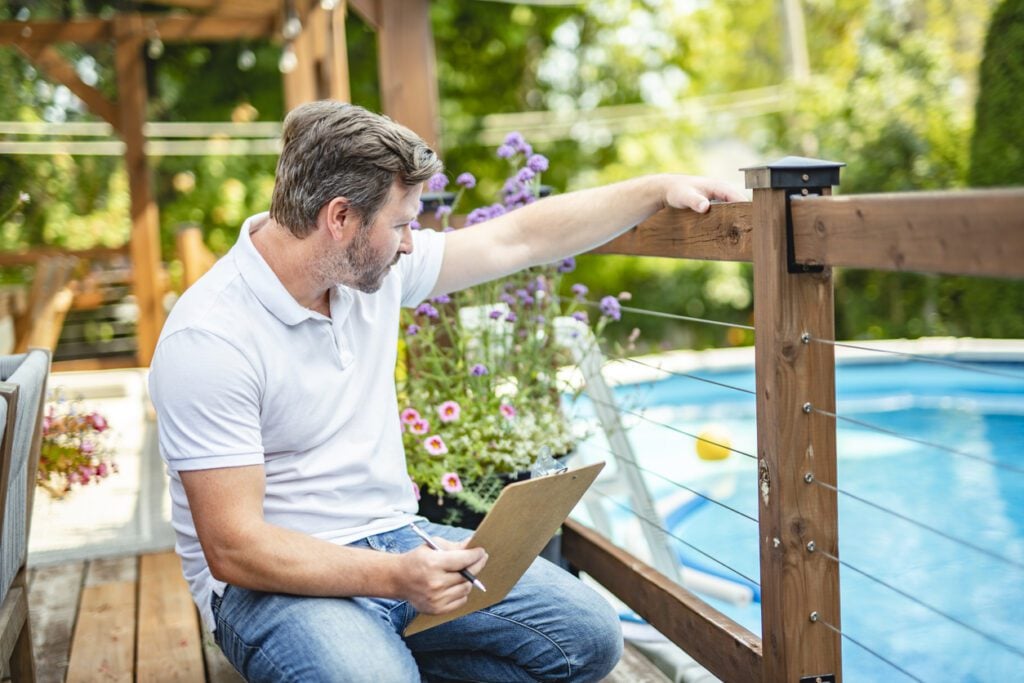
Before spending money on cosmetic upgrades, take a good look underneath the deck.
This is one of those lessons you learn after being around decks for a long time: what you can’t see is often more important than what you can.
Check the joists, beams, posts, stairs, ledger board, and connections. Look for soft or deteriorated wood, loose fasteners, excessive corrosion, movement, or areas where water has been sitting.
Pay particular attention to places where two pieces of framing meet. Those areas can trap moisture and are often where deterioration starts.
If the framing is solid, great. Now you know you’re putting your upgrade dollars into a deck that’s worth improving.
If you find structural concerns, address those before spending money on appearance.
2. Clean the Deck Before Deciding It Needs Replacing
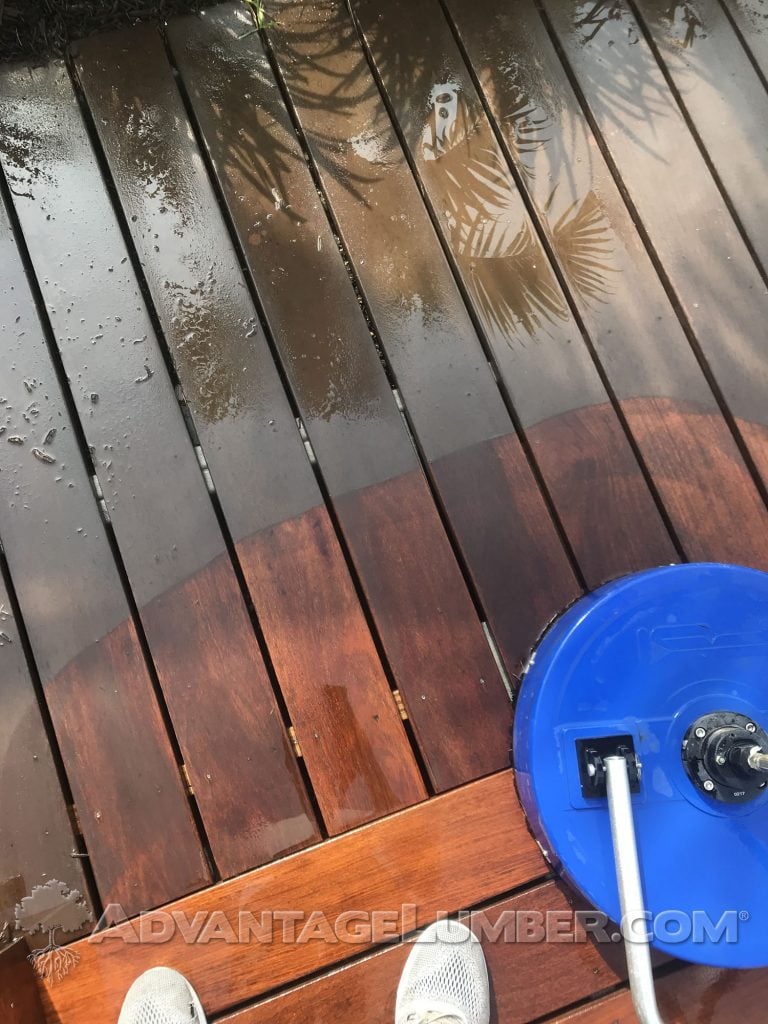
You’d be surprised how many tired looking decks still have plenty of life left in them.
Dirt, mildew, pollen, leaves, old coatings, and general weathering can dramatically change the appearance of a deck.
A proper cleaning may be all you need.
One word of caution from experience: be careful with pressure washers.
People tend to think more pressure means a cleaner deck. That’s not always the case.
High pressure washing can damage wood fibers, particularly on softer woods such as pressure treated pine, cedar, and redwood. Hold the nozzle too close and you can leave permanent lines and gouges in the boards.
Use the appropriate cleaner for your decking material and follow the manufacturer’s recommendations.
3. Give Hardwood Decking a Fresh Look
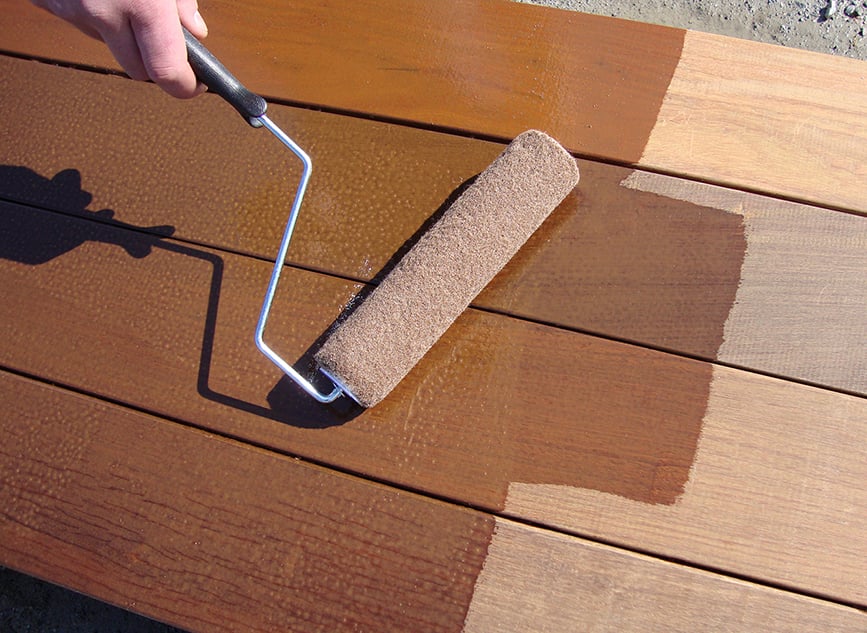
If you have an Ipe, Cumaru, Tigerwood, Garapa, or other hardwood deck that’s turned gray, don’t assume anything is wrong with it.
Natural weathering is completely normal.
Many hardwood species develop a silver gray patina when exposed to sunlight and weather. Some homeowners love that appearance and leave it alone.
If you prefer the original color, however, late summer can be a good time for maintenance.
Depending on the condition of the deck, cleaning and applying an appropriate hardwood oil can bring back a tremendous amount of the wood’s natural color and grain.
If the surface is heavily weathered or has an old coating, sanding may be necessary first.
We’ve seen old hardwood decks come back beautifully with proper maintenance. That’s one of the big advantages of starting with a dense, durable hardwood in the first place.
4. Replace Only the Deck Boards That Need It
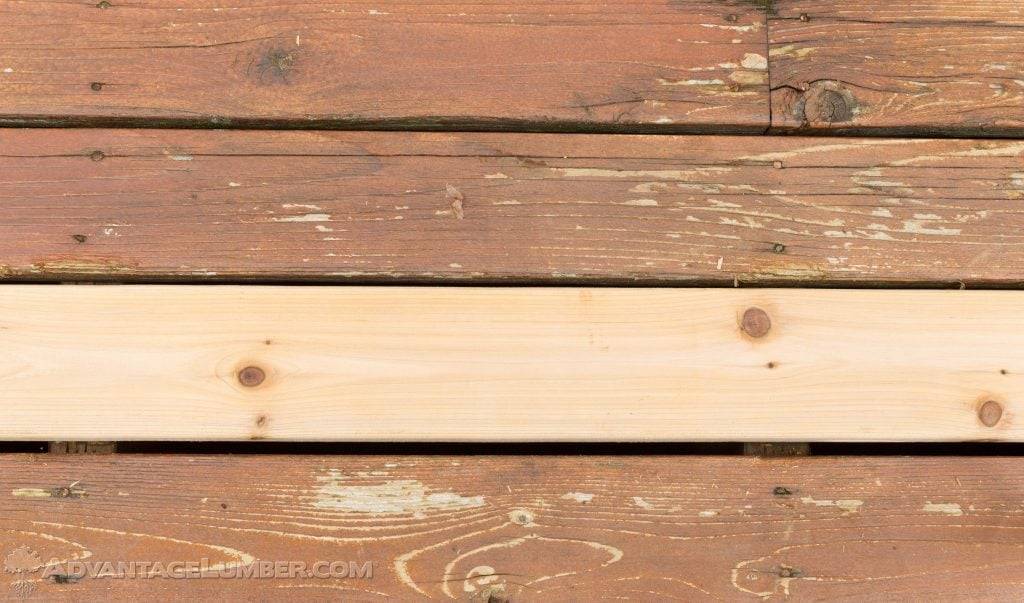
Here’s another place where homeowners can save money.
Don’t automatically replace an entire deck because a few boards look bad.
If your deck has replaceable boards and the framing is sound, individual damaged boards may be replaced.
Look for boards with significant decay, structural cracking, or damage that goes beyond normal surface checking and weathering.
This is also why we recommend keeping a few extra boards after building a deck whenever possible. Years later, having matching material on hand can make repairs much easier.
5. Upgrade the Railing
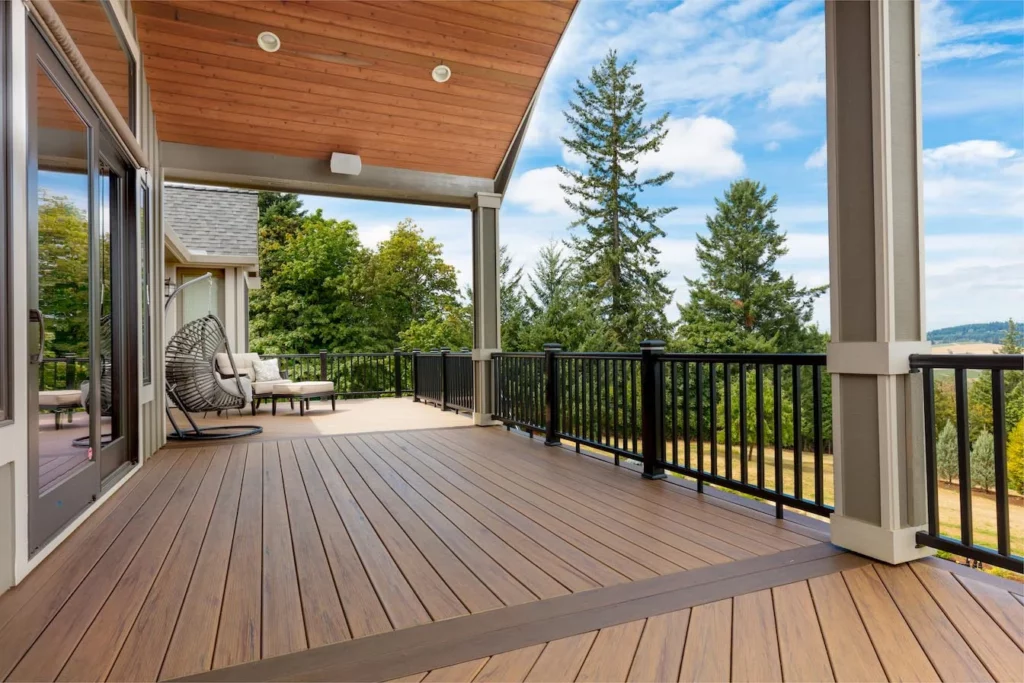
If you want one project that can completely change the appearance of an older deck, look at the railing.
Railing is one of the first things people notice.
Older wood railings can make an otherwise good deck look dated. Depending on your budget and the existing structure, upgrading to a modern railing system can make the entire outdoor space feel newer.
Aluminum railing is especially popular because it provides a clean appearance without creating a lot of visual bulk.
Brands such as Trex, TimberTech, and Deckorators offer railing options that can complement hardwood, composite, and PVC decking.
Just remember that railing is a safety component, not simply decoration. Make sure the system you choose is appropriate for the application and installed according to applicable requirements and manufacturer instructions.
6. Add Joist Tape Where You Have Access
If you’re replacing a few deck boards or opening up part of the deck anyway, this is a great opportunity to inspect the framing and add protection where appropriate.
Joist tape helps protect the tops of wood joists and beams from water.
Why does that matter?
Think about how a deck is built. Water can get between the deck boards and the framing below. Around fastener penetrations and areas where water doesn’t dry quickly, moisture can contribute to deterioration over time.
If you’re already pulling boards up, adding joist tape to exposed framing can be a relatively inexpensive upgrade compared with replacing structural framing later.
7. Upgrade the Deck Lighting
Deck lighting is one of those upgrades that doesn’t sound dramatic until you install it.
Then you wonder why you waited so long.
Late summer is especially good for lighting upgrades because the days are starting to get shorter while you’re probably still spending plenty of evenings outside.
Consider lighting:
- Stair treads
- Stair risers
- Post caps
- Railings
- Walkways
- Outdoor cooking areas
Good lighting can improve both atmosphere and visibility.
And you don’t necessarily need to light every square foot of the deck. A few strategically placed fixtures can make a surprisingly big difference.
8. Give Your Stairs Some Attention
After decades of looking at decks, we’ll tell you this: don’t ignore the stairs.
Stairs take a lot of abuse.
Check the stair stringers, treads, railings, and connections. Make sure nothing feels loose or excessively flexible.
Cosmetically, stairs are also an excellent place for a small upgrade.
New stair treads, updated railing, fascia, or lighting can make the entrance to an older deck look much more finished.
9. Add a Picture Frame Border
If you’re already replacing some decking or planning a larger resurfacing project, consider adding a picture frame border.
Instead of leaving the cut ends of deck boards exposed around the perimeter, a picture frame design uses boards around the outside edge to create a finished border.
It’s a detail we’ve recommended for years because it can make a deck look much more professionally designed.
You can also use a contrasting decking color for the border.
For example, a darker composite or PVC board around the perimeter can create a nice visual break without requiring you to use the more expensive or dramatic color throughout the entire deck.
10. Replace Old Fascia
Sometimes the deck surface looks perfectly fine, but the fascia makes the whole structure look worn out.
Fascia takes a lot of weather exposure, and replacing deteriorated or unattractive fascia can be a relatively simple way to improve the finished appearance of the deck.
This is especially noticeable on elevated decks where the outside rim is clearly visible from the yard.
11. Build a Small Privacy Screen
You don’t necessarily need to build a wall around your deck to get more privacy.
A strategically placed privacy screen can block a neighbor’s window, hide an air conditioning unit, or make a seating area feel more secluded.
Wood species such as Ipe, Cumaru, and other hardwoods can work beautifully for architectural privacy screens.
You can also orient boards horizontally or vertically depending on the style you’re trying to achieve.
The key word here is strategically.
Instead of screening the entire deck, figure out where privacy actually matters. You may only need a small section, which keeps material and labor costs much lower.
12. Create a Small Feature Area
Not every upgrade needs to involve construction.
Sometimes changing one area of the deck can make the entire space feel different.
You might create a dedicated:
- Outdoor dining area
- Grilling station
- Conversation area
- Planter area
- Bench
- Shade area
We’ve seen homeowners spend a fortune trying to redesign an entire backyard when what they really needed was one comfortable place where everyone naturally wants to sit.
Start small.
You can always add more later.
When Is It Better to Resurface the Deck?
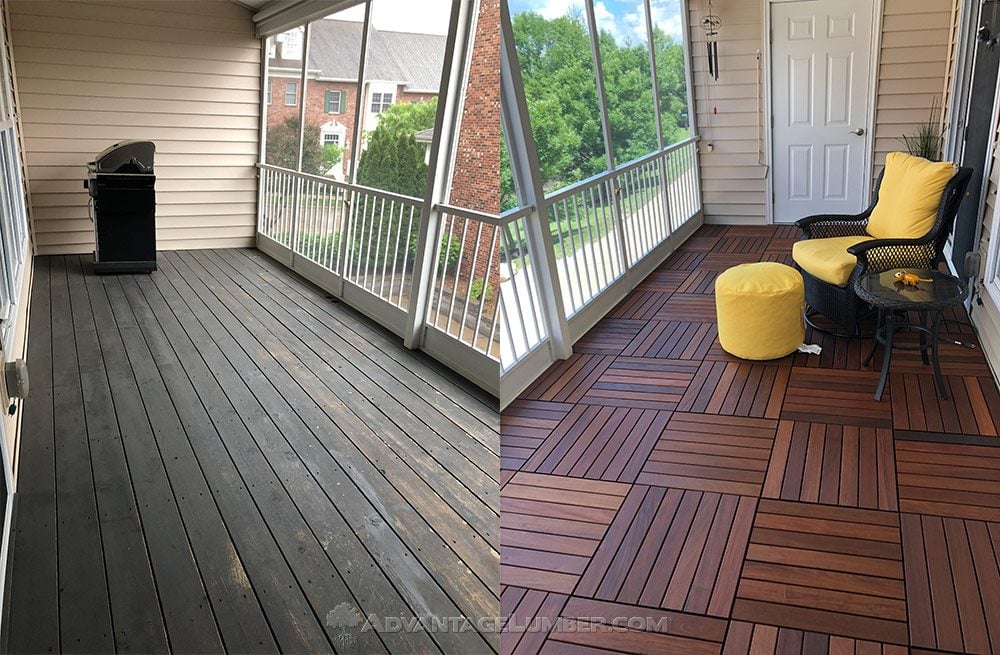
There eventually comes a point where replacing individual boards and making cosmetic repairs stops making financial sense.
If a large percentage of the deck boards are deteriorated but the underlying structure is still in good condition, resurfacing may be worth considering.
That means keeping the usable framing and replacing the old deck boards with new decking.
This can also be an opportunity to upgrade materials.
Depending on the project, homeowners might consider long lasting hardwood decking such as Ipe, Cumaru, Tigerwood, Garapa, or Brazilian Redwood, or low maintenance composite and PVC decking from manufacturers such as Trex, TimberTech, and Deckorators.
But we can’t emphasize this enough:
Inspect the framing first.
Putting expensive new decking over questionable framing isn’t saving money. You’re simply postponing a much more expensive problem.
Spend Your Deck Budget Where It Counts
After more than 30 years in this business, one thing we’ve learned is that the most expensive solution isn’t automatically the best solution.
Sometimes an older deck needs replacement. Sometimes there’s more hidden damage than you can see.
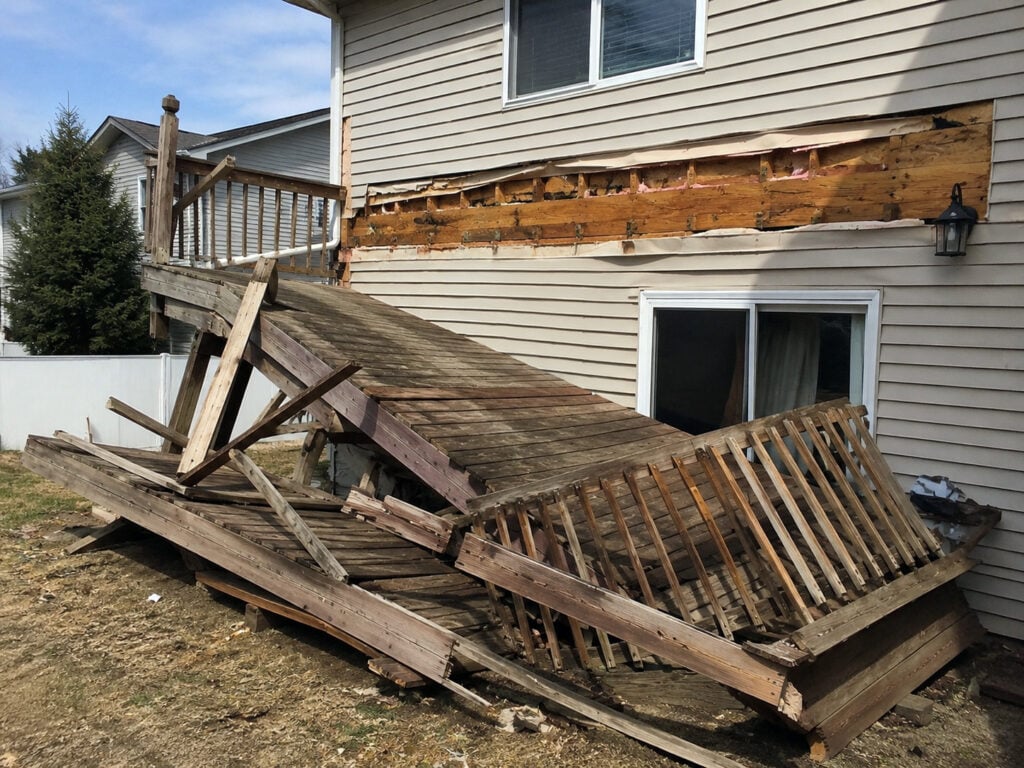
Sometimes it needs resurfacing.
And sometimes it just needs a Saturday afternoon, a few replacement boards, some maintenance, and a couple of smart upgrades.
The important thing is knowing the difference.
Before buying materials, take a careful look at what you already have. Make safety and structural repairs your first priority, protect the parts of the deck that still have years of service left, and then spend your remaining budget on the upgrades you’ll actually notice and enjoy.
If you’re planning a late summer deck upgrade and aren’t sure how much material you’ll need, AdvantageLumber.com can help with project planning and material estimates. Whether you’re repairing an existing hardwood deck, resurfacing an older structure, upgrading your railing, or planning something completely new, getting the material list right before you start can save time, money, and more than a few trips back to the store.
And after more than three decades of helping people build decks, that’s one piece of advice we’re pretty confident about: a little planning upfront is almost always cheaper than fixing mistakes later.
