
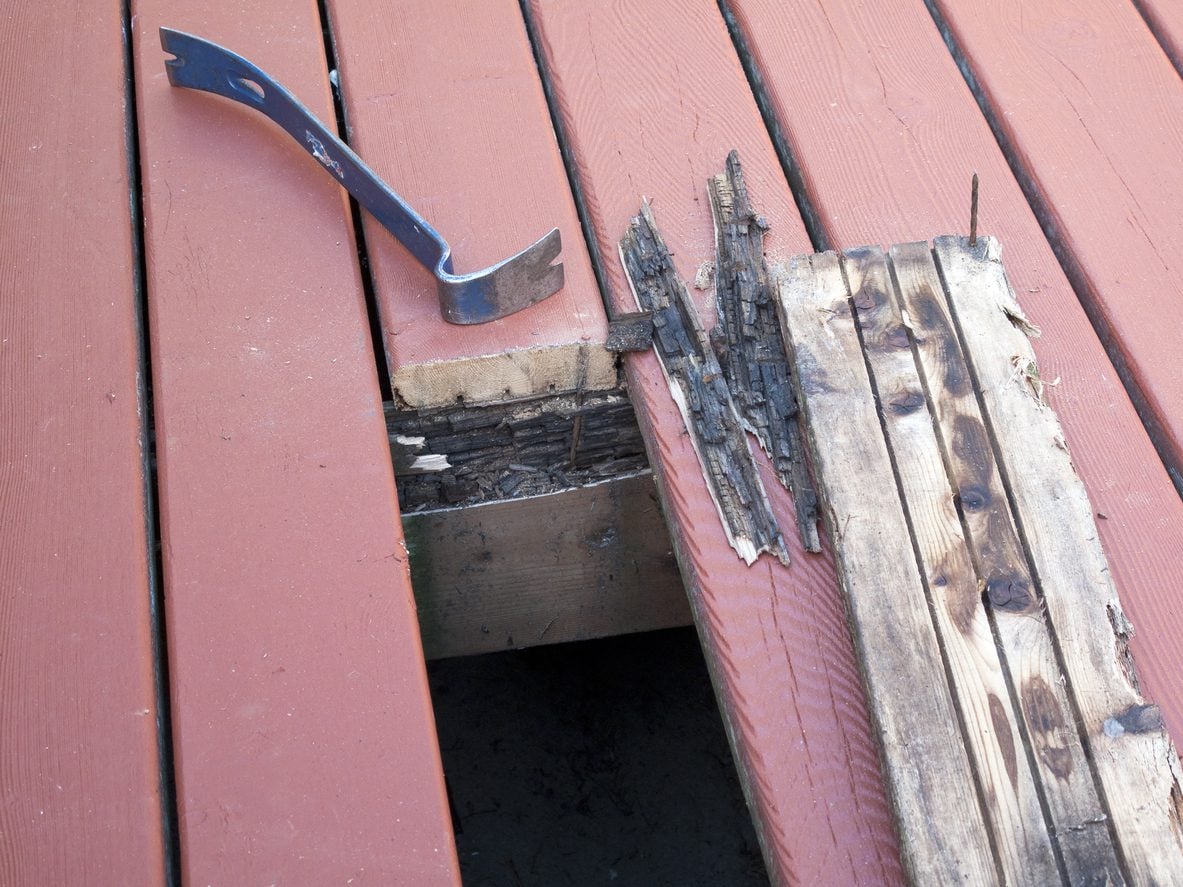
Your deck looks great from the outside sturdy boards, fresh stain, maybe even some new furniture. But what about what’s hiding underneath? Many homeowners never think twice about their deck joists until it’s too late. Rot can quietly undermine your entire deck structure for years before you notice sagging boards or a spongy feel underfoot.
The culprit? Modern pressure treated deck joists that simply don’t hold up like the old stuff. And the most vulnerable spot is one you almost never see: the top edge of every joist.
Why Today’s Pressure Treated Joists Don’t Last Like They Used To
If you built a deck in the 1980s or 1990s, you probably used lumber treated with chromated copper arsenate (CCA). That arsenic based preservative was incredibly effective at stopping rot, insects, and decay. Many of those old decks are still standing strong 30–40 years later.
But in 2003, the wood preservative industry voluntarily phased out CCA for residential use following an agreement with the EPA. The reason? Health and environmental concerns. Arsenic is a known human carcinogen.
Studies showed it could leach out of the wood, especially onto children’s play structures, decks, and picnic tables. While the older CCA treated wood in your backyard isn’t considered an emergency today, regulators and manufacturers agreed it was time for safer alternatives.
Today’s pressure treated lumber uses copper based preservatives like Alkaline Copper Quaternary (ACQ) or Copper Azole (CA). These are far better for the environment and safer for families but they don’t offer the same long term protection against moisture and fungi that arsenic provided. In many climates, modern pressure treated joists begin showing signs of rot in just 10–15 years, especially in the hidden areas where water lingers.
The Real Trouble Spot: The Top of Your Deck Joists
Here’s something most deck inspectors miss: rot almost always starts on the top surface of the joists, not the sides or bottom.
Why? Simple physics and poor design:
- Rain and snow melt seep through the gaps between deck boards (or even through screw holes).
- That water pools right on top of the joists and gets trapped under the decking.
- The underside of your deck gets almost no sunlight and reduced airflow.
- The joist tops stay damp for days or weeks at a time which created the perfect conditions for wood decay fungi to thrive.
You can walk out on your deck and see perfectly good looking joists from below, while the hidden top edges are turning soft and black. By the time you notice the problem from underneath, the damage is often extensive and expensive to fix.
How to Fight Deck Joist Rot Before It Starts
The good news? You don’t have to accept premature rot as the price of a wooden deck.
1. Joist Tape (The Low Cost Lifesaver)
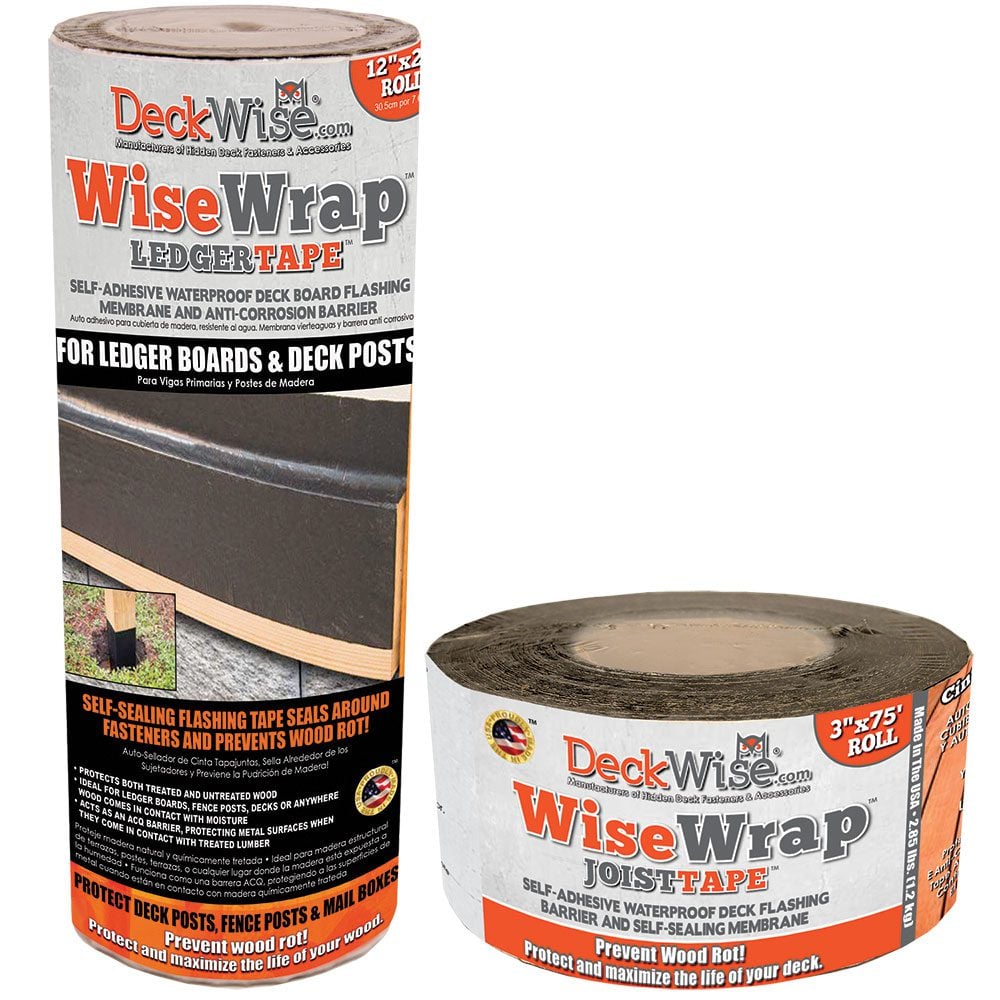
Applying a high quality joist tape also called joist flashing or deck flashing tape is one of the smartest and most affordable upgrades you can make. Products like DeckWise® Joist Tape™ (available in both asphalt and premium butyl versions) create a waterproof barrier across the top of every joist. The tape self seals around every screw or nail, preventing water from soaking into the wood. When properly installed, joist tape can dramatically extend the life of modern pressure treated framing.
2. Switch to Non Rotting Framing Materials
For the ultimate peace of mind, consider ditching wood joists altogether in favor of materials that simply cannot rot:
- Galvanized Steel Deck Framing – Strong, engineered, and completely immune to rot, insects, and moisture. Steel framing systems (like those offered by Advantage Lumber) install similarly to wood but last a lifetime.
- Aluminum Deck Framing – Lightweight, corrosion resistant, and ideal for elevated or waterfront decks. Aluminum framing won’t warp, shrink, or decay no matter how wet it gets.
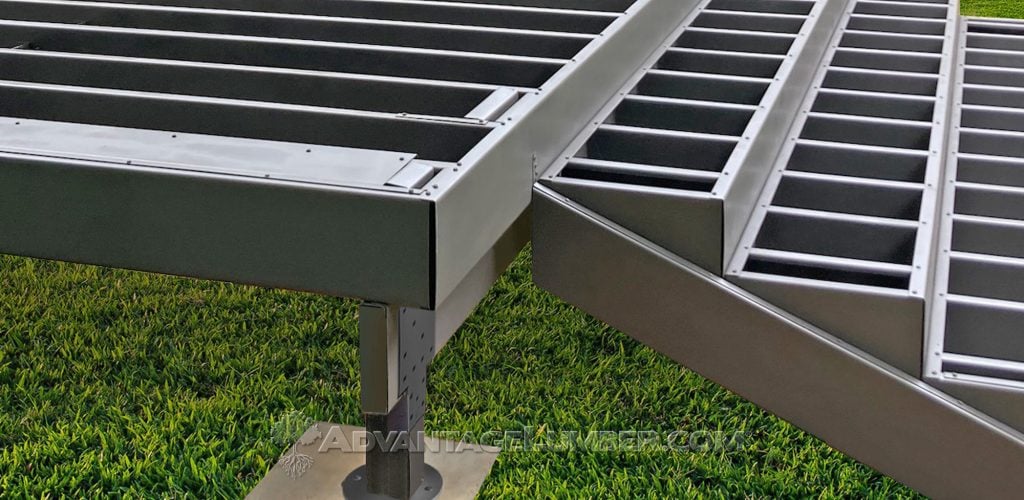
Both options eliminate the “silent killer” problem entirely. No more worrying about hidden rot. No more expensive repairs down the road. And because the framing lasts decades longer, your deck boards (whether composite, hardwood, or traditional) stay supported properly for the long haul.
Don’t Wait Until Your Deck Feels “Spongy”
Most homeowners only discover deck joist rot when they’re already dealing with a safety issue or a major repair bill. Don’t let that be you.
Whether you’re building new or protecting an existing deck, take a proactive approach:
- Inspect joist tops (carefully) during your next deck cleaning.
- Install joist tape on any new or existing wood framing.
- Consider upgrading to steel or aluminum framing for your next big project.
At Advantage Lumber, we specialize in decking solutions that actually last. From premium DeckWise® Joist Tape and LVL framing that pairs beautifully with tape, to complete galvanized steel deck framing kits and aluminum deck framing systems, we carry everything you need to build a deck that stays strong for decades not just until the next home inspection.
Ready to protect your investment? Browse our full selection of rot proof deck framing and joist protection products today at AdvantageLumber.com.
Your future self (and your family) will thank you when the deck is still rock solid 25 years from now.