
If your deck feels a little bouncy, has a slight sag in the middle, or you’ve noticed dark stains or soft spots near the house, you might be looking at the early stages of a very expensive—and potentially dangerous—problem.
The ledger board is the single most critical connection on your entire deck. It’s the horizontal beam bolted to your house that carries half (or more) of the deck’s weight. Yet every year, thousands of decks collapse or require major repairs because the ledger was never installed correctly. Industry reports consistently rank ledger failure—usually caused by hidden water damage and rot—as the #1 cause of deck collapses.
At AdvantageLumber.com, we’ve supplied premium deck building materials to thousands of builders and homeowners. We see the same installation mistakes repeated over and over. The good news? Most of these failures are completely preventable with proper planning and a few extra waterproofing steps most DIYers skip.
What Exactly Is a Ledger Board?
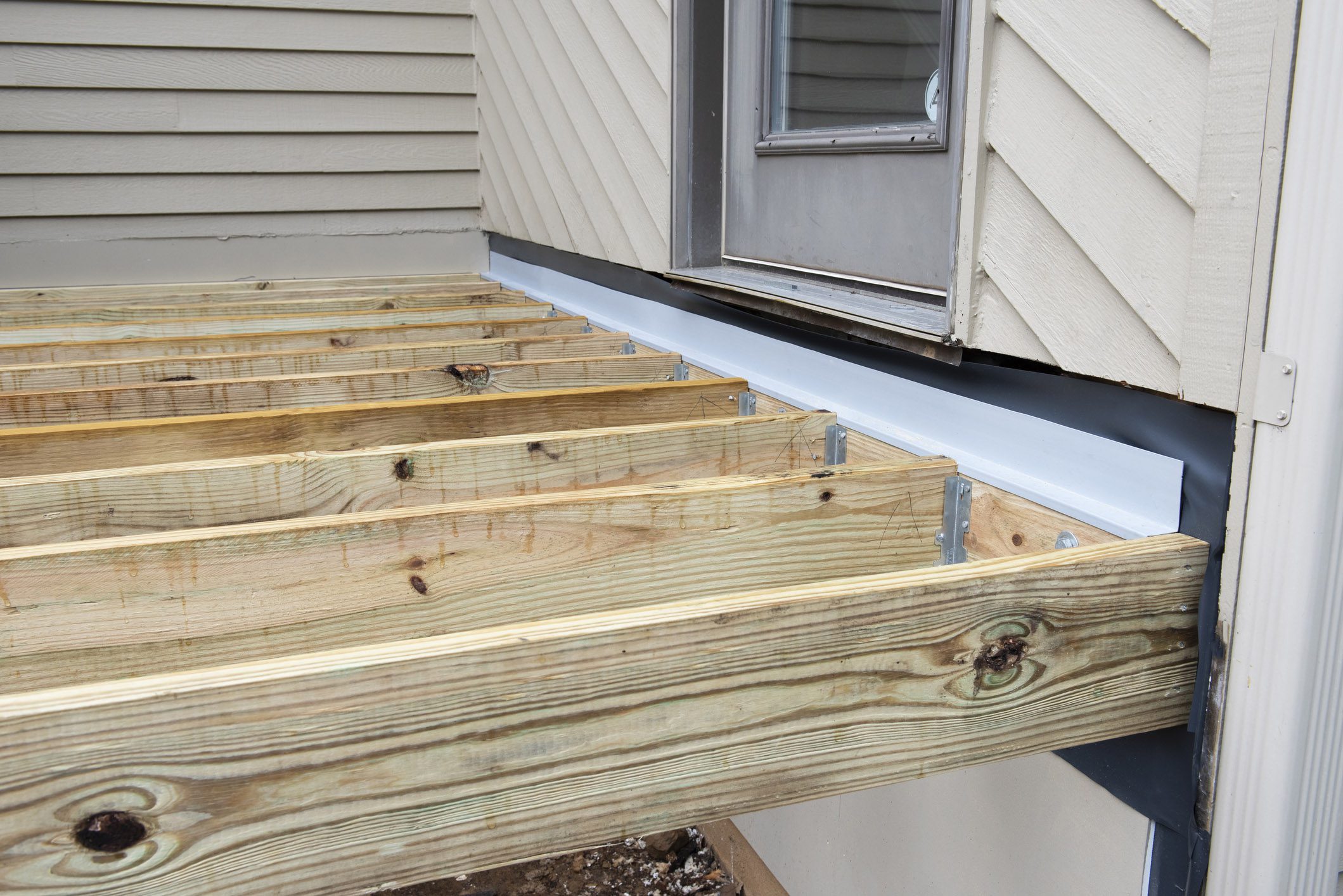
A ledger board is a pressure-treated 2×6, 2×8, 2×10, or 2×12 (depending on joist span and load requirements) that is lag-bolted or structurally screwed directly into your house’s rim joist or studs. The deck joists then rest on or hang from this ledger using joist hangers.
It sounds simple, but the ledger has to:
- Support tremendous live and dead loads (people, furniture, snow, etc.)
- Transfer that load safely into the house structure
- Resist constant exposure to rain, snow melt, and humidity
When any of those three things goes wrong, the ledger is usually the first component to fail.
The Most Common (and Costly) Ledger Installation Mistakes
Here are the errors we see most often:
- Bolting only into sheathing or siding instead of solid wood (rim joist or studs)
- Using the wrong fasteners (deck screws or nails instead of ½” galvanized lag bolts or code-approved structural screws)
- No gap between ledger and house (trapping water)
- Missing or incorrect flashing and waterproofing — the #1 hidden killer
Even if the ledger is perfectly bolted, water will eventually find its way behind it. Once moisture gets trapped between the ledger and the house sheathing, rot sets in fast—often invisible from the outside until the deck pulls away from the house or the ledger literally crumbles.
The Critical Step Most Homeowners Skip: Ledger Tape and Flashing
This is the section we wish every deck builder would read twice.
Waterproofing the ledger connection is not optional—it’s the difference between a deck that lasts 20–30 years and one that fails in 5–7 years.
Why Ledger Tape Matters
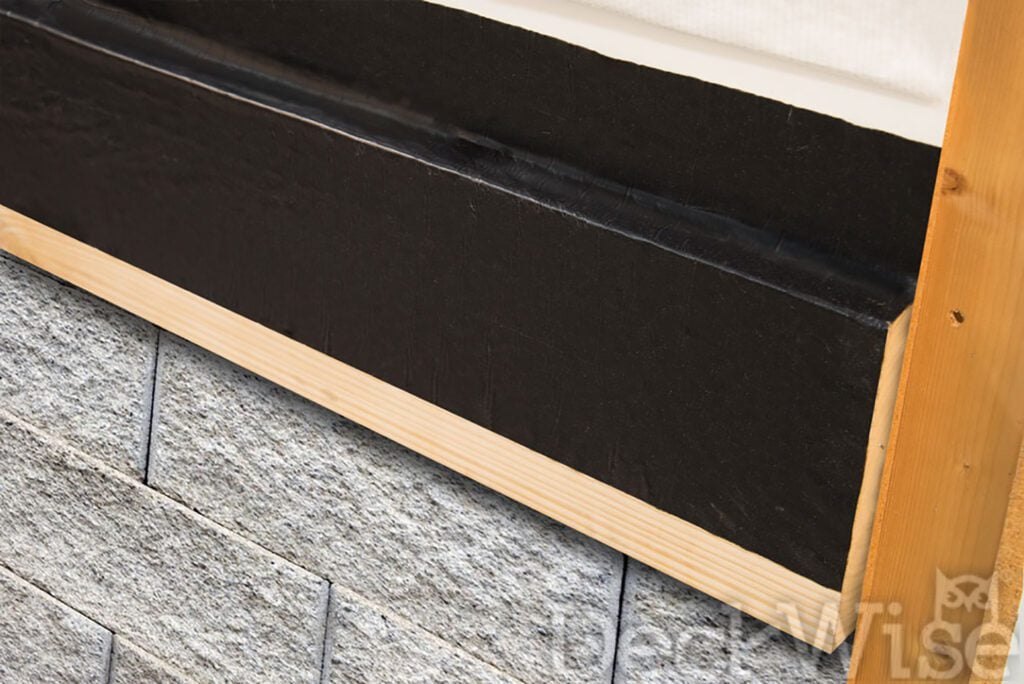
Ledger tape (also called deck ledger flashing tape or butyl ledger tape) is a thick, self-adhering, waterproof membrane designed specifically for this application. It creates a permanent seal around every bolt penetration and along the entire length of the ledger-to-house joint.
How to install it correctly:
- After house wrap is installed but before the ledger goes up, apply a continuous 6–8 inch wide strip of high-quality ledger tape horizontally on the sheathing exactly where the top edge of the ledger will sit.
- The tape should extend several inches above and below the ledger location.
- When you bolt the ledger through the tape, the butyl compound self-seals around each fastener, preventing water from wicking down the bolt shank into your rim joist or wall cavity.
- Many pros also run a second strip vertically over each bolt location after the ledger is installed for extra insurance.
Premium ledger tapes (such as Trex® Protect, DeckWise, or similar heavy-duty butyl products) are far superior to basic flashing tape. They stay flexible in extreme temperatures and won’t dry out or crack over time.
Why Metal Ledger Flashing Is Non-Negotiable
Ledger tape seals the back and bolt holes, but you still need to keep water from running down behind the top of the ledger.
Install galvanized or stainless-steel Z-flashing (or step flashing if you have siding) as follows:
- Tuck the top leg of the Z-flashing at least 2–3 inches up under the house siding or house wrap.
- The bottom leg must lap over the top edge of the ledger board by at least 1 inch.
- Seal all seams and nail penetrations with compatible sealant or additional ledger tape.
This creates a “waterfall” effect—rain runs down the siding, hits the flashing, and is directed out and over the ledger instead of behind it.
Pro tip: Even pressure-treated lumber can rot if it stays constantly wet. The combination of ledger tape on the back + metal flashing on top is the gold standard for long-term protection.
Proper Ledger Board Installation Checklist
Use this quick reference before you (or your contractor) start:
- Ledger must be attached directly to the rim joist or studs (not just sheathing).
- Use ½” diameter hot-dipped galvanized or stainless-steel lag bolts or code-approved structural screws spaced per local code (typically 16″–24″ on center, staggered).
- Maintain a ½”–⅝” air gap between the ledger and house (use galvanized washers or spacers) for drainage and drying.
- Install high-quality ledger tape and metal flashing as described above.
- Use pressure-treated lumber rated for ground contact or above-ground use.
- Follow IRC or local building codes for your region (snow load, seismic zones, etc.).
How to Tell If Your Existing Ledger Is Failing
Look for these warning signs:
- Deck pulling away from the house
- Visible gaps or cracks between ledger and siding
- Soft, spongy, or crumbling wood when you probe with a screwdriver
- Water stains or black mold on the ledger or house sheathing
- Joist hangers pulling away or rusting
- Use a moisture meter to inspect several areas of your deck ledger board.
If you see any of these, stop using the deck immediately and have a professional inspect it. A failing ledger is a safety emergency.
The Bottom Line: Do It Right the First Time
A properly installed and waterproofed ledger board is the foundation of a safe, long-lasting deck. Skipping the ledger tape and flashing step might save you an hour or two today, but it could cost you thousands in repairs—or worse—down the road.
At AdvantageLumber.com we carry everything you need for a code-compliant, rot-resistant deck: premium metal deck framing, composite and hardwood decking, hidden fasteners, and the highest-quality flashing and waterproofing products on the market.
Ready to build (or rebuild) it right?
Shop our full selection of deck building materials today and give your next project the foundation it deserves.
Have questions about ledger installation or need help choosing the right lumber grade? Our deck experts are happy to help—just reach out through the site or give us a call.
Your deck should be a place for memories, not regrets. Install that ledger correctly, waterproof it properly, and enjoy it for decades to come.
