
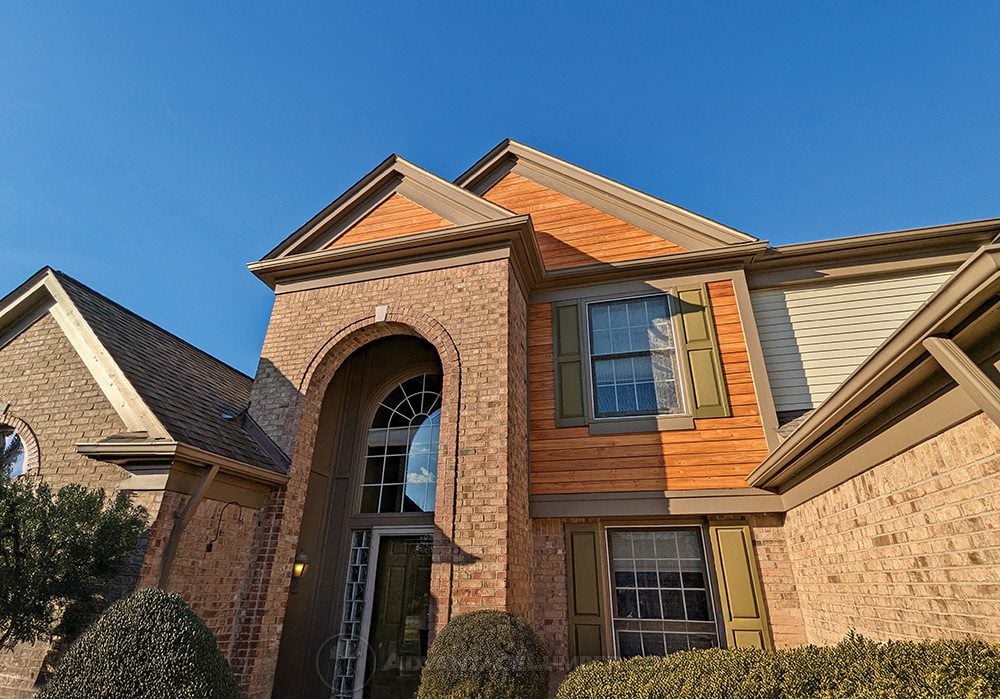
When it comes to exterior cladding, few materials can match the natural beauty, durability, and long-term performance of hardwoods. While there are many siding options available today, tropical hardwoods continue to stand out for one simple reason: they are built to last.
From modern vertical siding to full exterior facades, hardwood cladding offers a premium look backed by real-world performance. But not all hardwoods are created equal.
Why Choose Hardwood for Exterior Cladding?
Before diving into species, it helps to understand why hardwoods are such a strong choice for exterior applications.
Natural Durability
Many hardwoods contain natural oils and dense grain structures that make them highly resistant to rot, decay, and insects without relying on chemical treatments.
Long Lifespan
Compared to softwoods, hardwood cladding can last decades longer, even in demanding climates.
Dimensional Stability
Dense hardwoods are less prone to warping, cupping, or movement over time.
Timeless Appearance
Whether you prefer rich browns, golden tones, or bold grain patterns, hardwoods offer a high-end, natural aesthetic that ages beautifully.
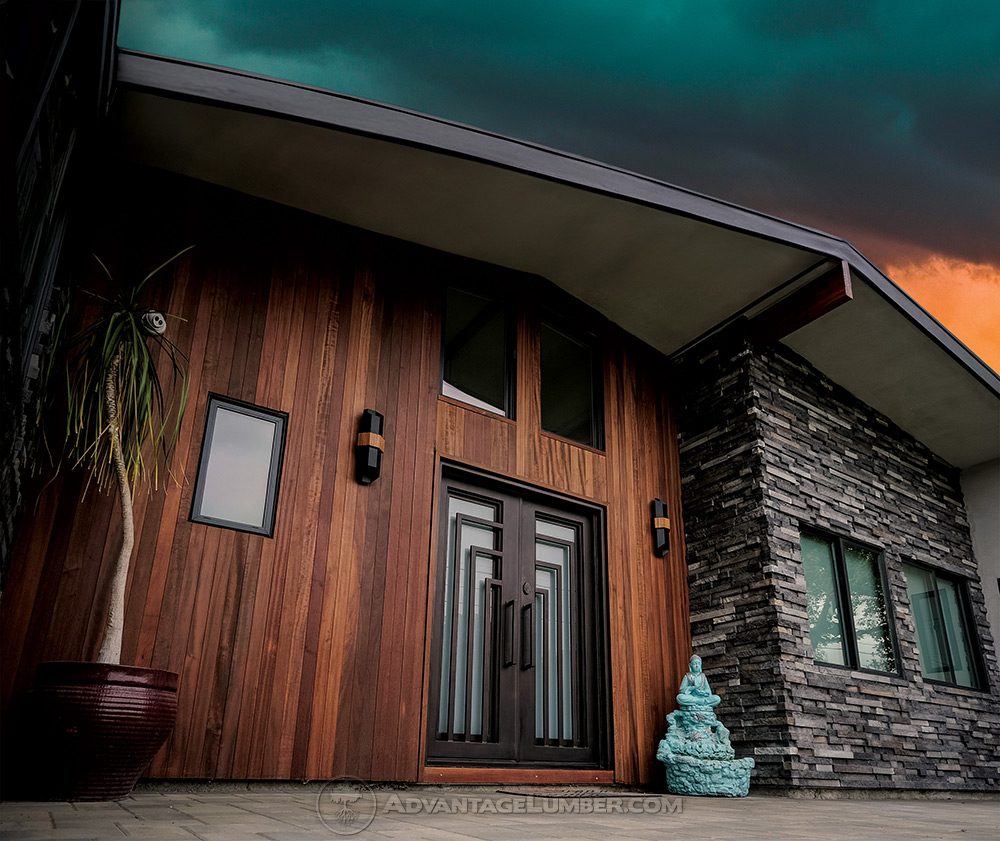
Top Hardwood Species for Cladding
Ipe (Brazilian Walnut)
If there is a gold standard for exterior hardwoods, Ipe is it.
Why it is popular:
- Extremely dense and durable
- Naturally resistant to rot, insects, and even fire
- Long lifespan (often 50+ years)
What it looks like:
Rich brown tones with a fine, consistent grain that gives a clean, upscale appearance.
Things to consider:
- Premium price point
- Requires pre-drilling during installation due to hardness
- Will naturally weather to a silver-gray if not maintained
Best for:
High-end homes, commercial projects, and long-term installations where performance is the priority.
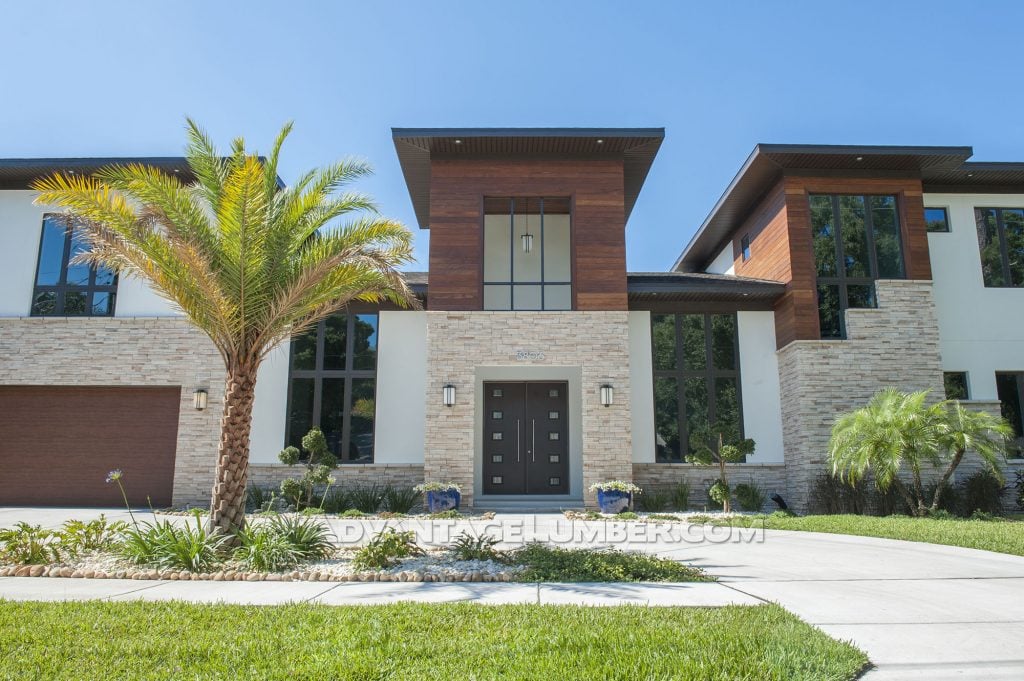
Cumaru (Brazilian Teak)
Cumaru is often seen as the best alternative to Ipe, offering similar performance at a more approachable price.
Why it stands out:
- Excellent resistance to decay and insects
- High density and strength
- More cost-effective than Ipe
Appearance:
Warm tones ranging from golden brown to reddish hues, often with more natural variation than Ipe.
Things to consider:
- Like Ipe, it benefits from periodic oiling to maintain color
- Dense material can require extra effort during installation
Best for:
Large cladding projects where durability matters but budget is still a factor.
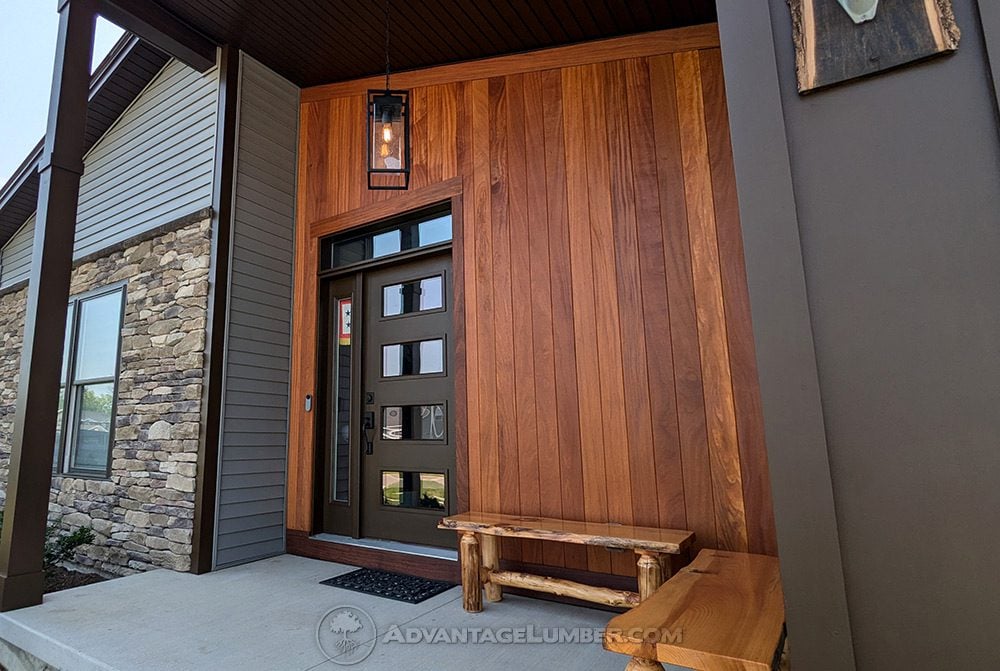
Teak has been used in demanding environments like shipbuilding for centuries and for good reason.
Why it is unique:
- High natural oil content
- Exceptional resistance to moisture and weather
- Low maintenance compared to other hardwoods
Appearance:
Golden brown when new, gradually aging into a soft silver-gray patina.
Things to consider:
- Typically one of the more expensive hardwood options
- Smoother, more uniform appearance compared to other species
Best for:
Projects where low maintenance and a refined look are top priorities.
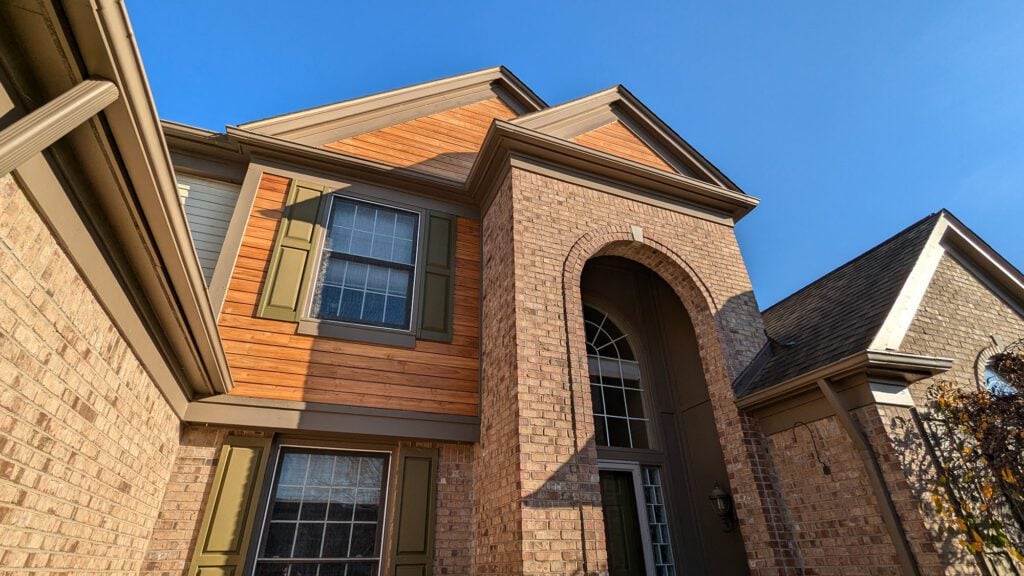
If you want your cladding to stand out, Tigerwood delivers.
Why people choose it:
- Bold, dramatic grain patterns
- Strong durability and resistance to the elements
Appearance:
Orange-brown base with dark striping hence the name.
Things to consider:
- Color variation is part of the appeal, but not for every design style
- Will fade to gray over time without maintenance
Best for:
Accent walls, modern designs, and projects where visual impact matters.
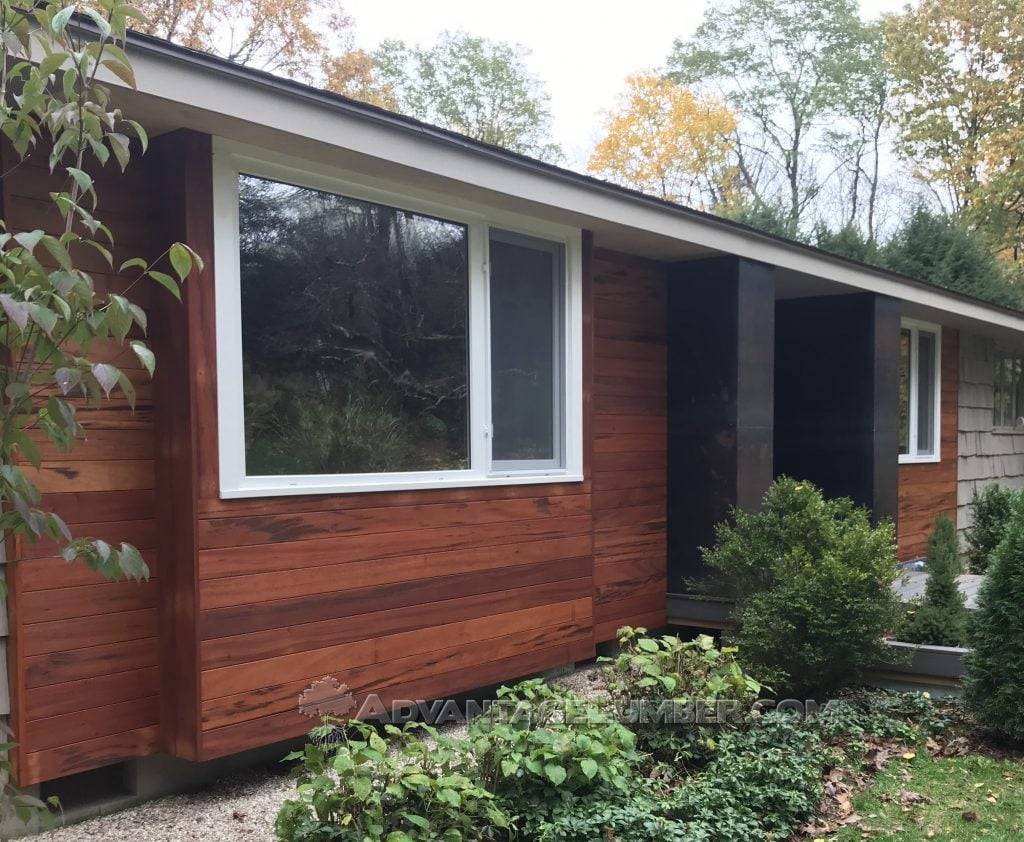
Garapa (Brazilian Ash)
Garapa offers a lighter, brighter look while still delivering solid performance.
Why it works well:
- Naturally resistant to decay and insects
- More uniform and subtle grain
- Lighter color compared to most hardwoods
Appearance:
Golden yellow to light honey tones that can brighten up an exterior.
Things to consider:
- Not as hard as Ipe or Cumaru, but still very durable
- Will develop a silver patina over time if left untreated
Best for:
Contemporary designs or projects aiming for a lighter, more natural aesthetic.
Maintenance: What to Expect
One of the most common questions with hardwood cladding is maintenance.
Here is the simple breakdown:
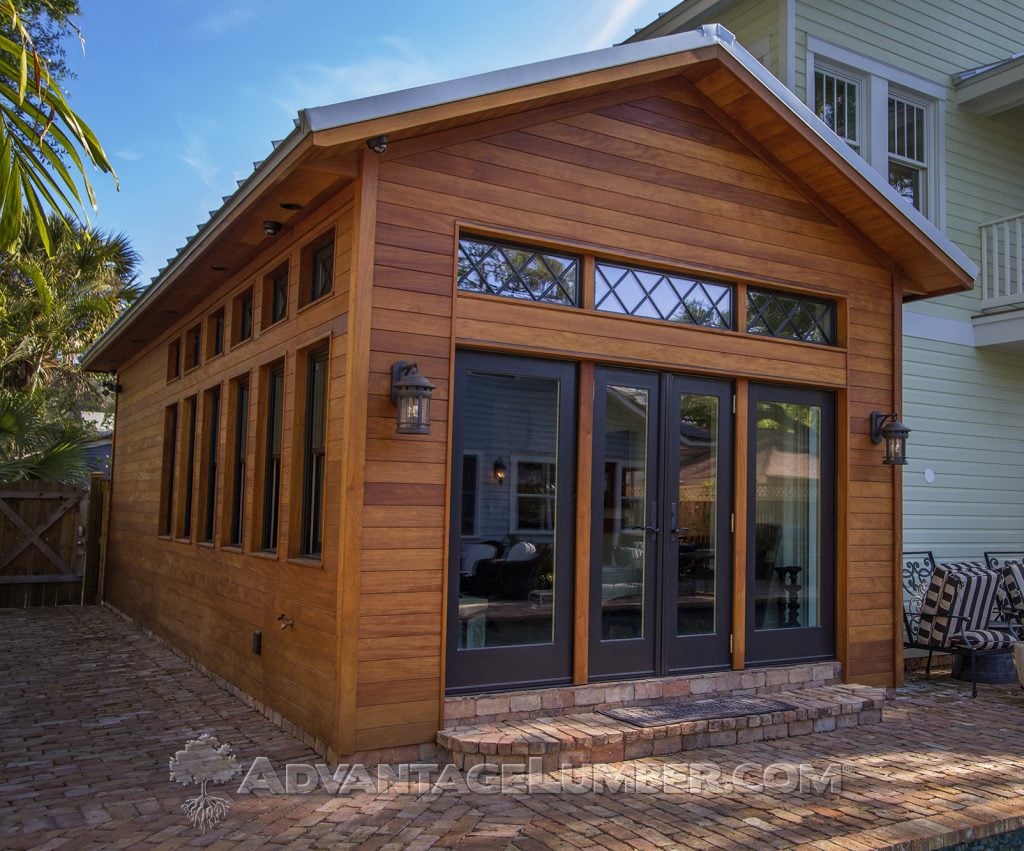
- If you oil it: You maintain the original color and richness
- If you do not: The wood will naturally weather to a silver-gray patina
Structurally, the wood remains durable either way. Maintenance is primarily about appearance, not performance.
Choosing the Right Hardwood for Your Project
The best species ultimately depends on your priorities:
- Maximum lifespan: Ipe
- Best value: Cumaru
- Lowest maintenance: Teak
- Bold appearance: Tigerwood
- Light, modern look: Garapa
- Rich, traditional tones: Massaranduba
Each of these hardwoods brings something different to the table, but all offer a significant upgrade in durability and aesthetics compared to standard siding materials.
Final Thoughts
Hardwood cladding is more than just a design choice. It is a long-term investment in your home’s performance and appearance.
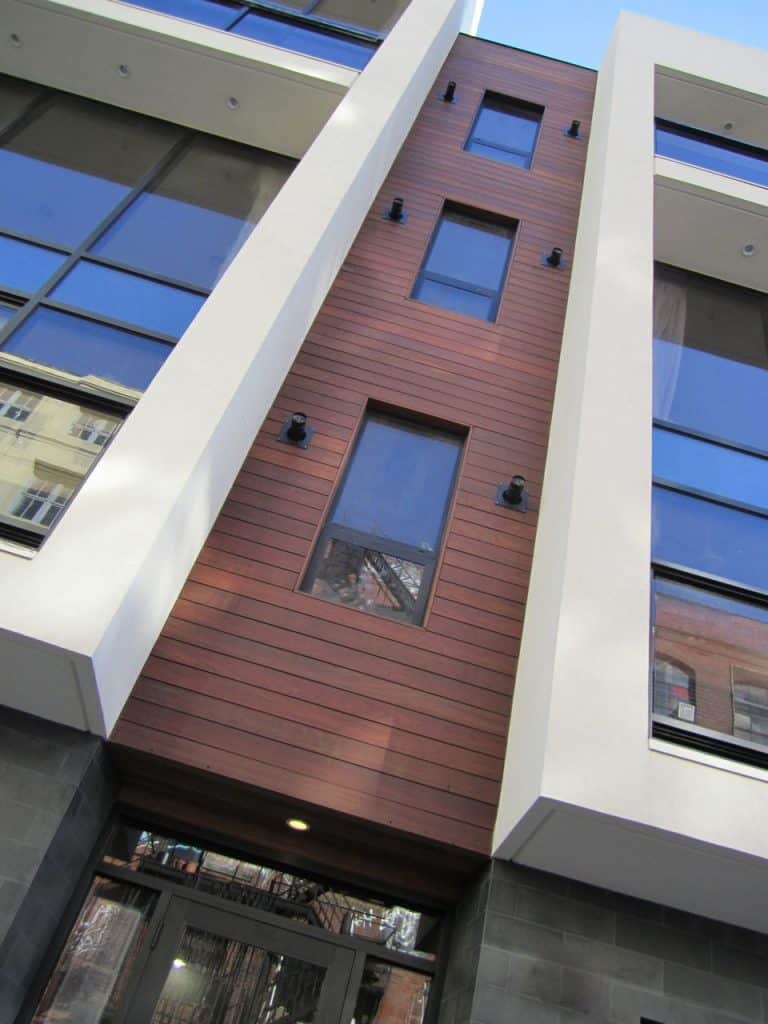
Whether you are creating a modern vertical facade, a warm natural exterior, or a striking architectural feature, choosing the right hardwood species will set the foundation for decades of durability and curb appeal.
If you are not sure which option is right for your project, our team can help you compare species, profiles, and finishes to find the best fit.
