
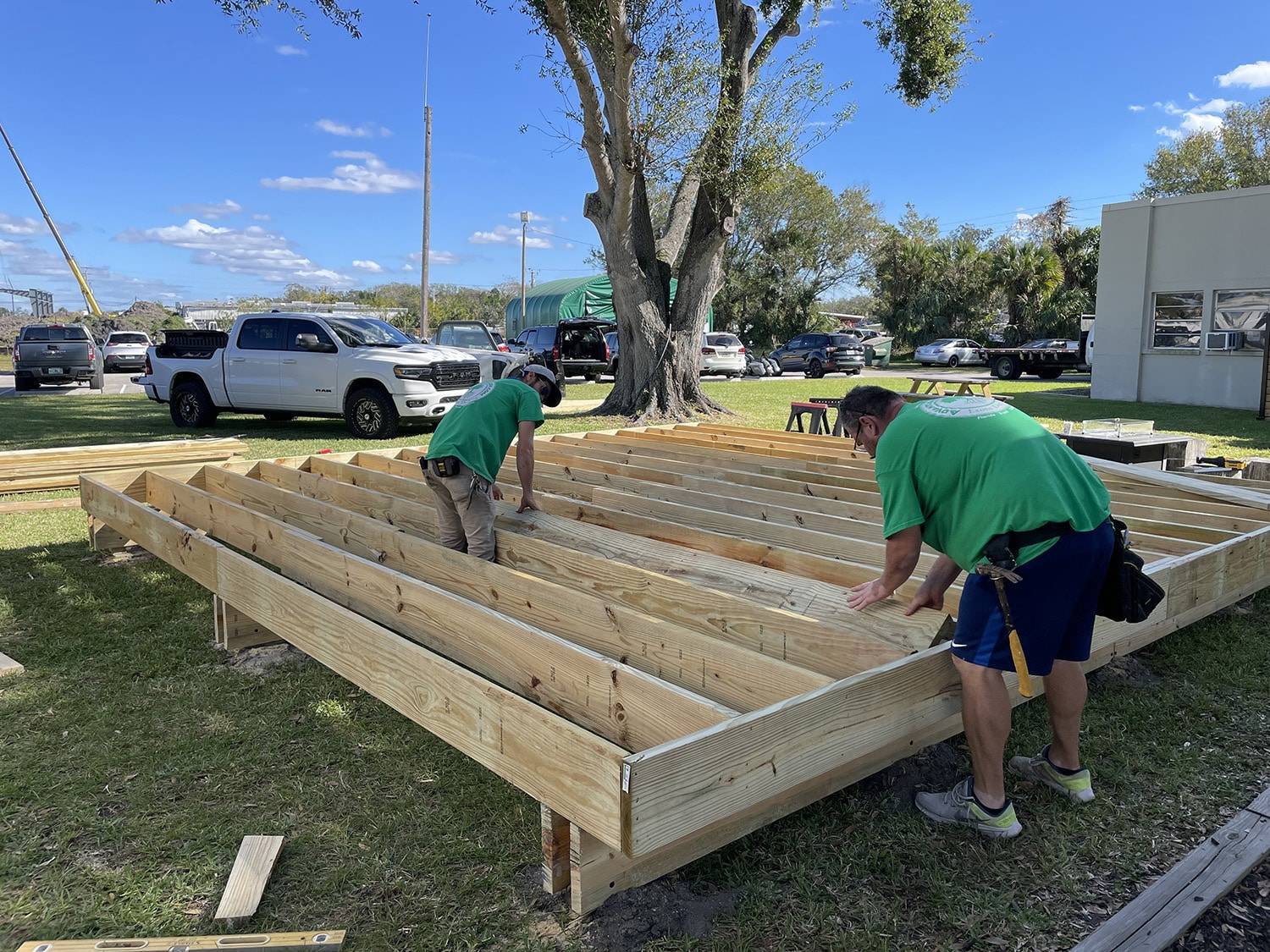
If you’ve recently searched “deck builder near me,” you’re not alone. Homeowners across the country are investing in outdoor living spaces at record levels. A well-built deck adds usable square footage, increases property value, and creates a place to relax, entertain, and enjoy the outdoors.
But here’s the reality: not all deck builders are created equal. The difference between a high-quality deck and a future headache often comes down to the contractor you choose.
Before you hire a deck builder, here’s what you need to know—and the practical steps you can take to make sure your project is done right the first time.
Why Hiring the Right Deck Builder Matters
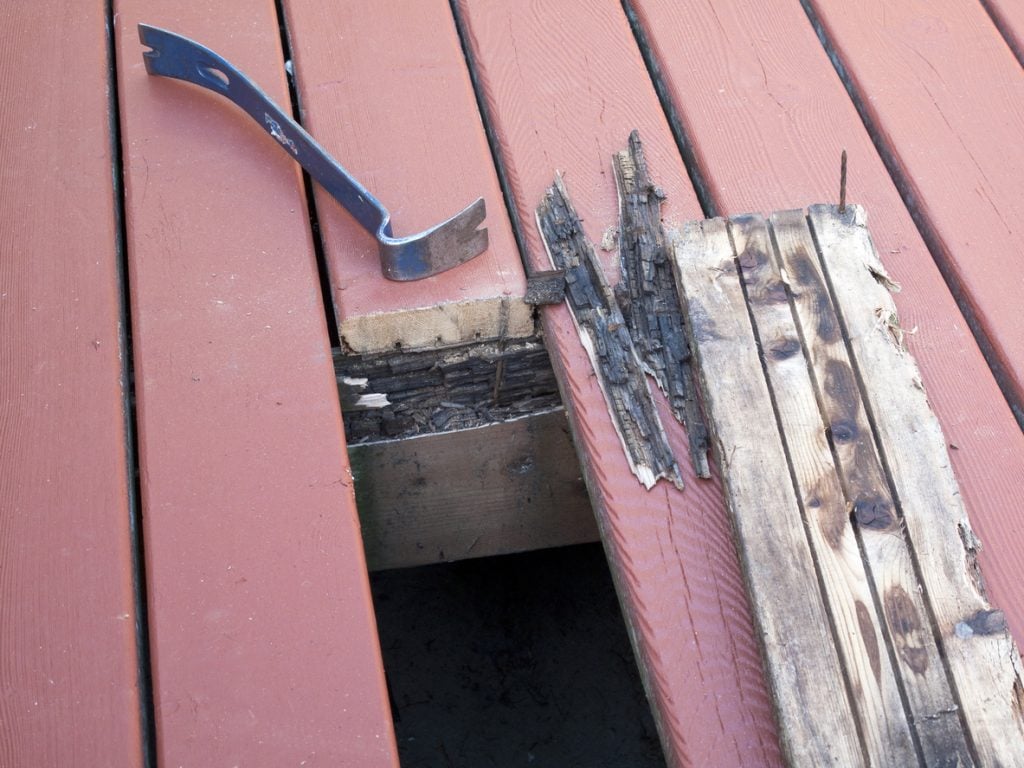
A deck isn’t just a surface—it’s a structural system. Poor construction can lead to:
- Premature rot and decay
- Structural failure (especially on elevated decks)
- Unsafe railings and stairs
- Costly repairs within just a few years
Cut corners during construction, and you may end up rebuilding far sooner than expected.
Step-by-Step: How to Vet a Deck Builder
1. Verify Licensing and Insurance
Always confirm that your contractor:
- Is properly licensed (if required in your state)
- Carries liability insurance
- Has workers’ compensation coverage
This protects you from liability if something goes wrong on the job.
2. Review Past Projects (Not Just Photos)
Ask for:
- A portfolio of completed decks
- References from recent customers
- Addresses of past projects you can drive by
Look for consistency in craftsmanship—not just one “highlight” project.
3. Ask Detailed Questions About Materials
A quality contractor should be able to clearly explain:
- The decking material options (Ipe, Cumaru, Tigerwood, composite, PVC, etc.)
- The pros and cons of each
- Expected lifespan and maintenance
If they push only one product without explanation, that’s a red flag.
4. Evaluate Their Framing Knowledge
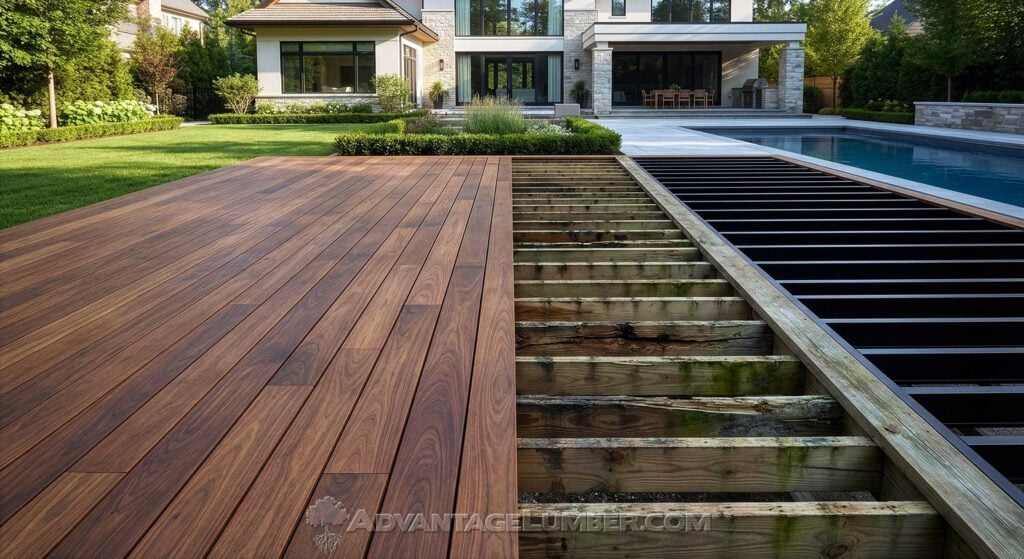
This is where many contractors cut corners. The pressure treated lumber these days only lasts 10 – 15 years at best. This is why most home owners don’t want their deck surface build with pressure treated deck boards.
However most people still build their deck frame out of pressure treated lumber. What good is building a deck with low maintenance deck boards that can last 30+ years if the frame will only last 15 years? Your deck frame is the foundation of your deck and it’s the most important part of your deck.
A knowledgeable deck builder should discuss:
Joist & Ledger Protection
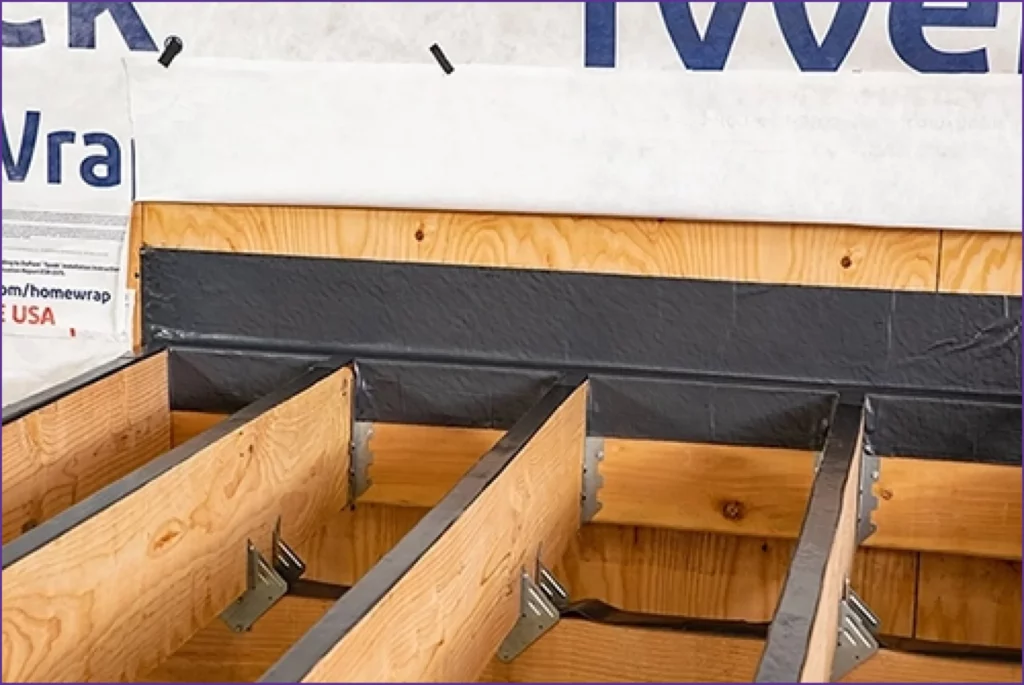
If using pressure-treated wood framing, they should always recommend:
- Joist tape
- Ledger tape
- Ledger flashing
These waterproof barriers prevent moisture from sitting on top of joists and penetrating screw holes—one of the leading causes of deck frame rot.
If a contractor skips this step, they are prioritizing speed and cost over longevity.
5. Ask About Framing Alternatives
A high-quality contractor will at least offer or discuss alternatives to traditional wood framing, such as:
- Galvanized Steel Framing
- Aluminum Deck Framing
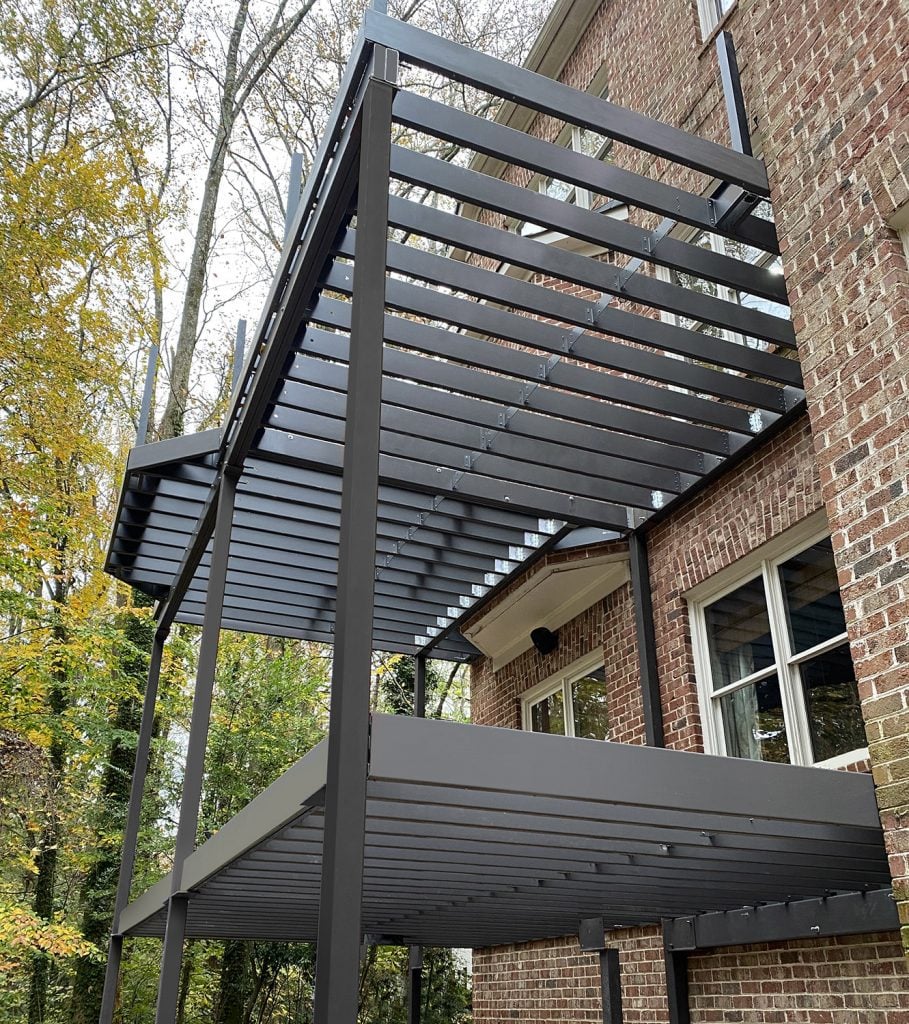
These systems:
- Do not rot, warp, or twist
- Last significantly longer than pressure-treated lumber
- Provide a more stable structure for decking
If your contractor has never heard of these options—or dismisses them outright—it may indicate limited experience or outdated practices.
6. Understand Their Fastening and Installation Methods
Ask:
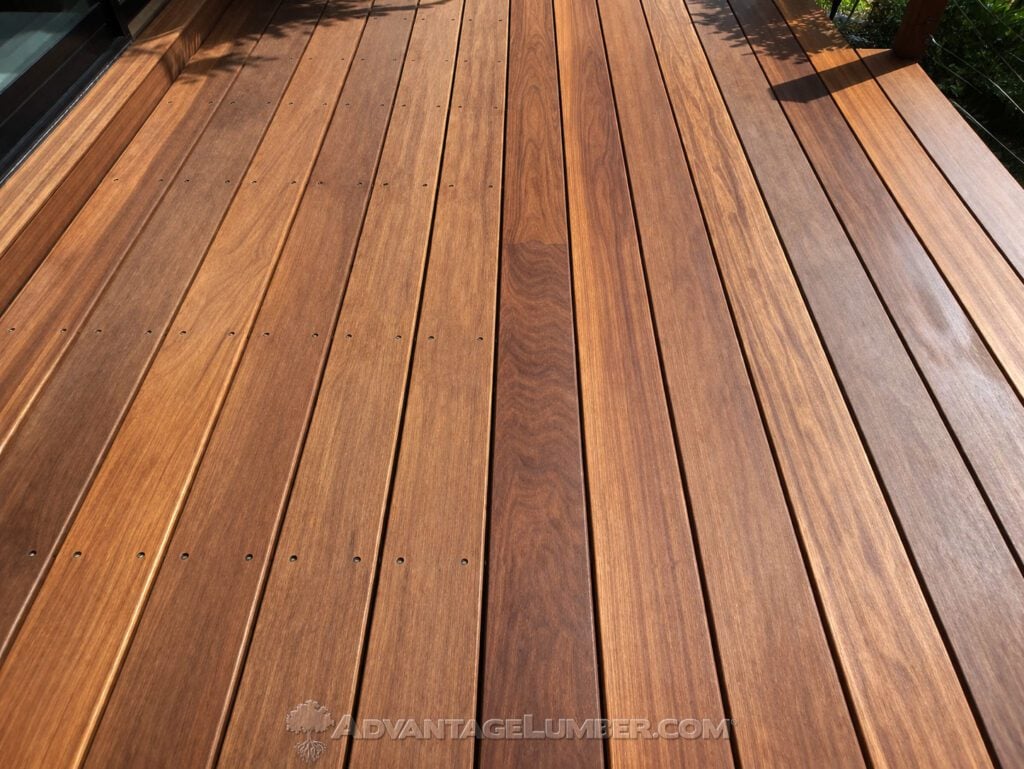
- Are they using hidden fasteners or face screws?
- What type of fasteners are they using (stainless steel is best for hardwoods)?
- How do they prevent water intrusion at connection points?
Attention to detail here separates average builders from great ones.
7. Get a Detailed Written Estimate
A professional quote should include:
- Materials (specific brands and products)
- Framing type
- Fasteners and accessories
- Timeline
- Labor costs
Vague estimates often lead to unexpected costs later. Get everything documented in writing to protect yourself in the event things don’t go as you specified.
Signs of a High-Quality Deck Builder
Look for contractors who:
✔ Recommend joist tape and proper moisture protection
✔ Offer premium materials—not just the cheapest option
✔ Discuss long-term performance, not just upfront cost
✔ Have experience with hardwoods and modern composites
✔ Understand structural requirements and code compliance
✔ Are willing to educate you, not pressure you
Red Flags to Watch Out For
Be cautious if a contractor:
🚩 Says joist tape “isn’t necessary”
🚩 Only focuses on price instead of durability
🚩 Can’t clearly explain their building process
🚩 Offers unusually fast timelines (quality takes time)
🚩 Avoids permits or inspections – makes the permit the home owners responsibility.
The Importance of Planning Before Building
Even the best contractor needs a solid plan. That includes:
- Proper layout and spacing
- Structural load considerations
- Material compatibility
- Ventilation and drainage
At AdvantageLumber.com, we help homeowners and contractors alike with:
- Free project estimates
- Material takeoffs
- Expert guidance on decking and framing options
Final Thoughts
Searching for a “deck builder near me” is just the first step. The real key is choosing a contractor who values quality, durability, and proper building practices.
A well-built deck should last decades—not just a few seasons.
Take the time to vet your contractor, ask the right questions, and make sure they’re not cutting corners—especially when it comes to framing and moisture protection.
Because when it comes to your deck, what’s underneath matters just as much as what you see on top.
