
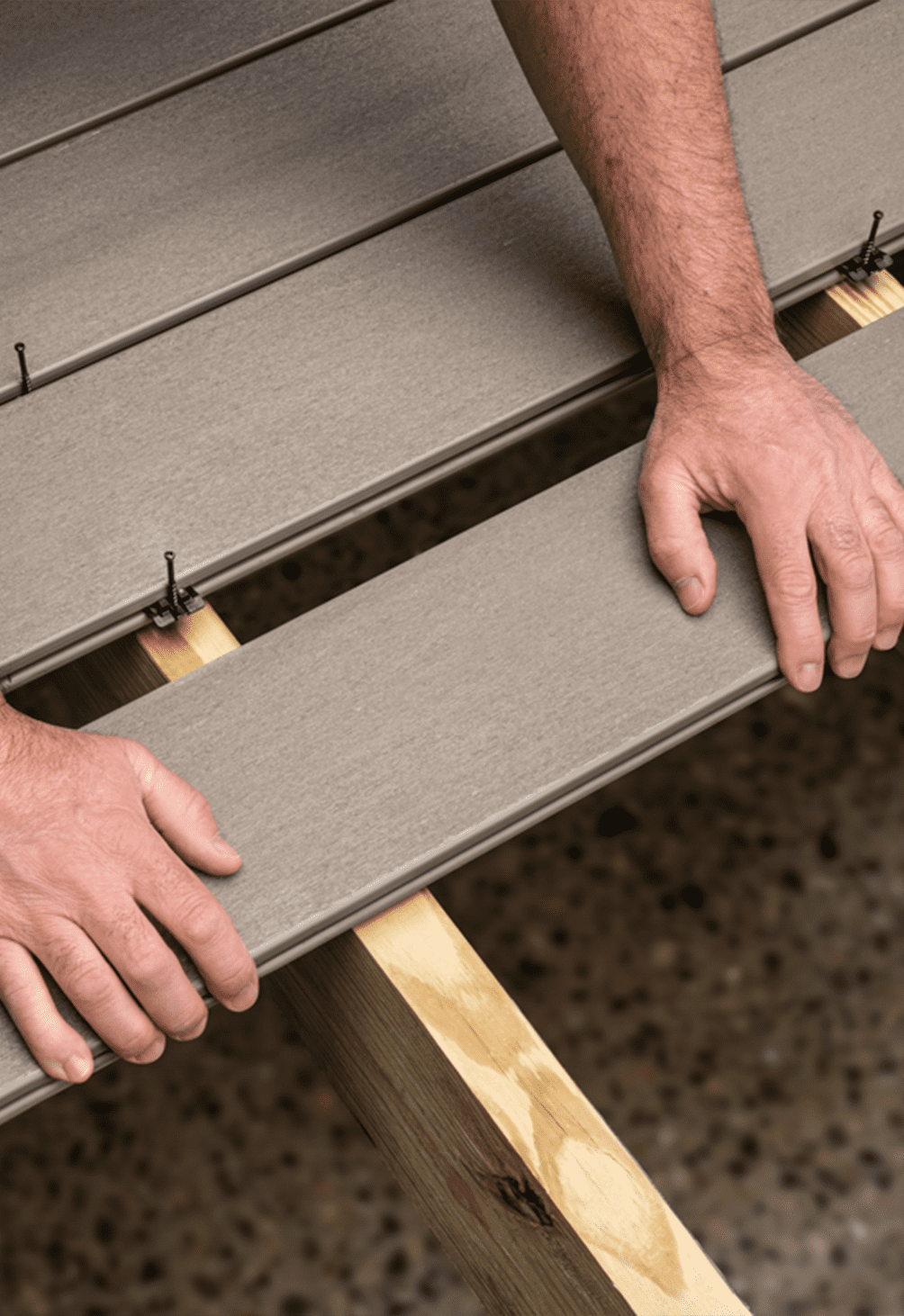
If your deck surface is looking worn, cracked, or faded, you might be wondering: Do I need to rebuild the entire deck, or can I just replace the deck boards?
The good news is—yes, in many cases, you can replace deck boards without replacing the frame. This process is commonly known as deck resurfacing. However, whether it’s a smart and safe option depends entirely on the condition of your existing deck structure.
Before you start tearing off old boards and installing new ones, there are a few critical things you need to inspect.
Start With a Thorough Structural Inspection
Replacing deck boards only works if the underlying structure is still sound. That means taking a close look at every part of the deck framing system—not just the surface.
1. Inspect the Deck Joists
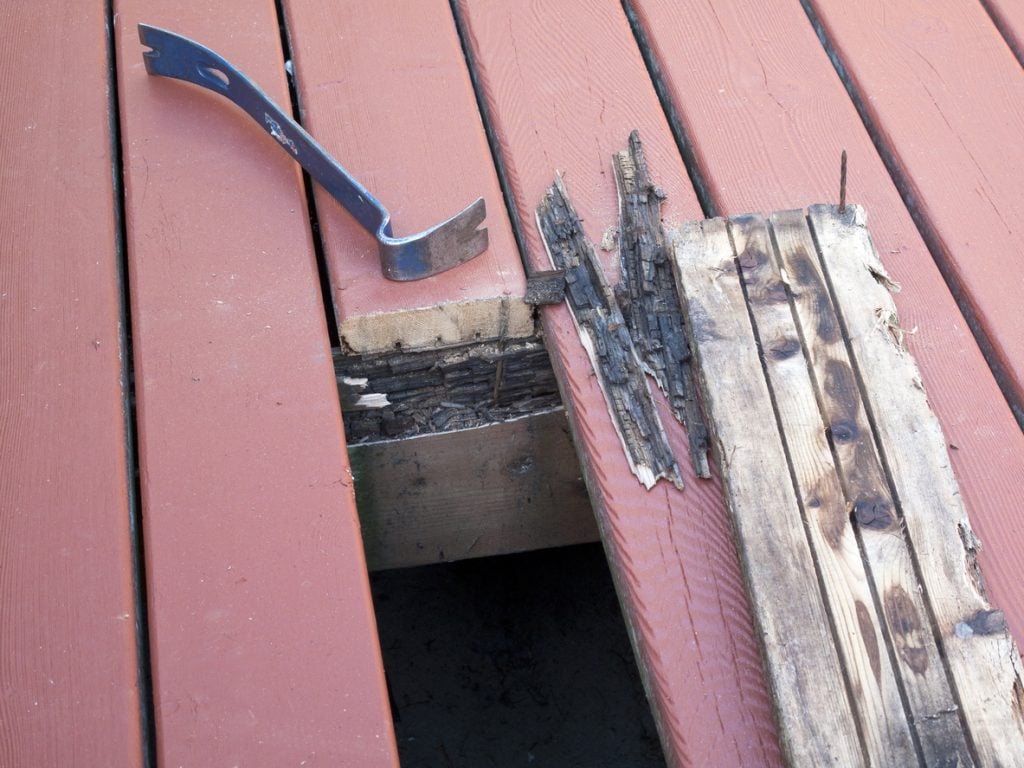
Joists are the backbone of your deck. Look for:
- Rot or soft spots
- Cracking or splitting
- Sagging or warping
- Signs of insect damage
If you can easily push a screwdriver into the wood, that’s a red flag. Compromised joists mean the frame is no longer structurally sound and shouldn’t be reused.
2. Check the Ledger Board
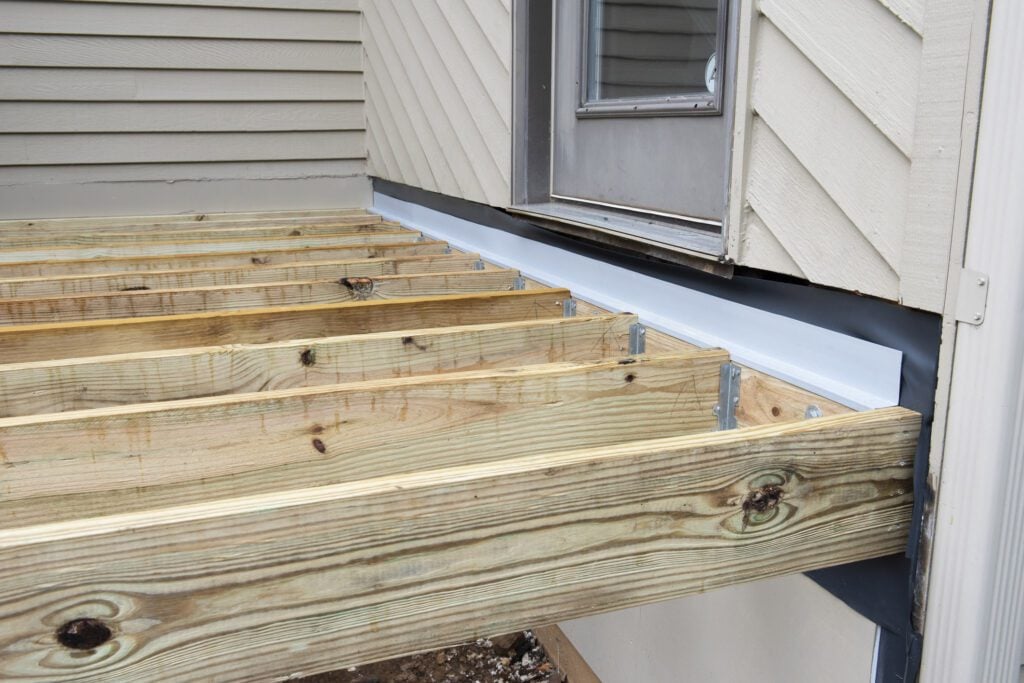
The ledger board connects your deck to your home—and it’s one of the most critical (and failure-prone) components.
Look for:
- Rot where the ledger meets the house
- Loose or missing fasteners
- Improper flashing (or no flashing at all)
Many older decks were built without proper flashing, which allows water to get trapped and rot the connection point. This is one of the leading causes of deck collapses.
3. Examine Posts and Beams
Your posts and beams carry the load of the entire deck. Make sure they are:
- Structurally solid (no rot at the base of posts)
- Properly connected with approved hardware
- Not shifting or settling
If posts are embedded directly in the ground and showing signs of rot, that’s another warning sign that a full rebuild may be necessary.
Don’t Overlook Fasteners, Hardware & Building Codes
Even if the wood itself looks decent, you also need to evaluate the hardware holding everything together.
Check Fasteners and Connectors
- Are joist hangers rusted or corroded?
- Are the correct structural screws or bolts used?
- Are connections secure and properly spaced?
Older decks were often built with nails where modern codes require structural screws or bolts and metal connectors.
Be Aware of Updated Building Codes
Deck building codes have changed significantly over the years. Many older decks:
- Lack proper ledger attachment
- Don’t meet modern load requirements
- Are missing required hardware like joist hangers or post anchors
- Don’t have beams attached correctly to newer codes
Even if your deck “looks fine,” it may not meet today’s safety standards. Before installing new decking, it’s worth making sure the structure meets current code.
If the Frame Checks Out: Protect It Before Installing New Boards
If your inspection confirms that your framing is solid and safe, you’re in a great position to move forward with resurfacing.
Before installing new deck boards, there’s one step that can dramatically extend the life of your deck:
Apply Joist Tape and Ledger Tape
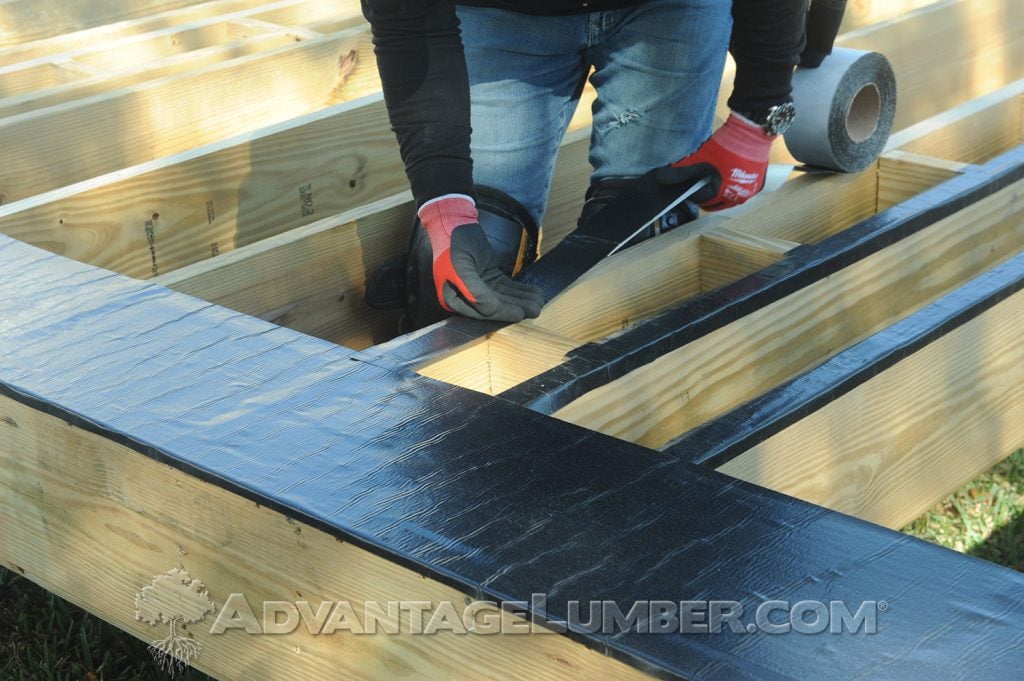
Joist tape is a waterproof barrier applied to the tops of joists and ledger boards. It helps:
- Prevent water from penetrating screw holes
- Reduce rot and decay
- Extend the lifespan of your deck frame
This is especially important because most deck rot starts at the top of the joists, where water gets trapped between the decking and the framing.
What If You Find Rot?
If your inspection reveals rot or structural damage, resurfacing is no longer the right solution.
At that point, you should strongly consider upgrading to a rot-resistant framing system, such as:
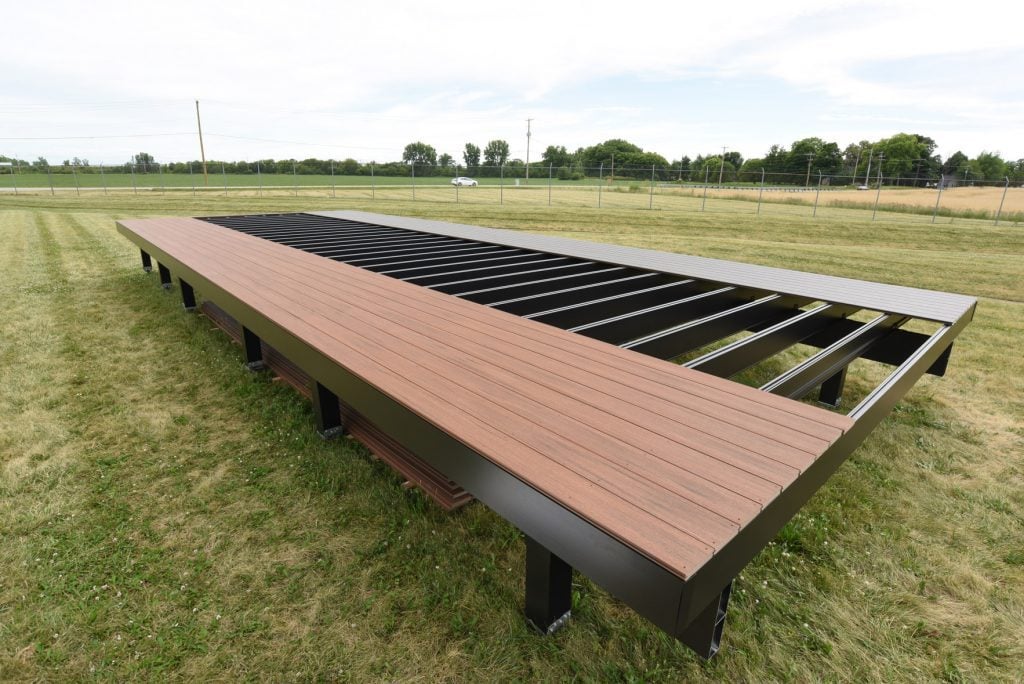
Aluminum Deck Framing
- Will not rot, warp, or crack
- Lightweight and incredibly strong
- Ideal for long-term, low-maintenance builds
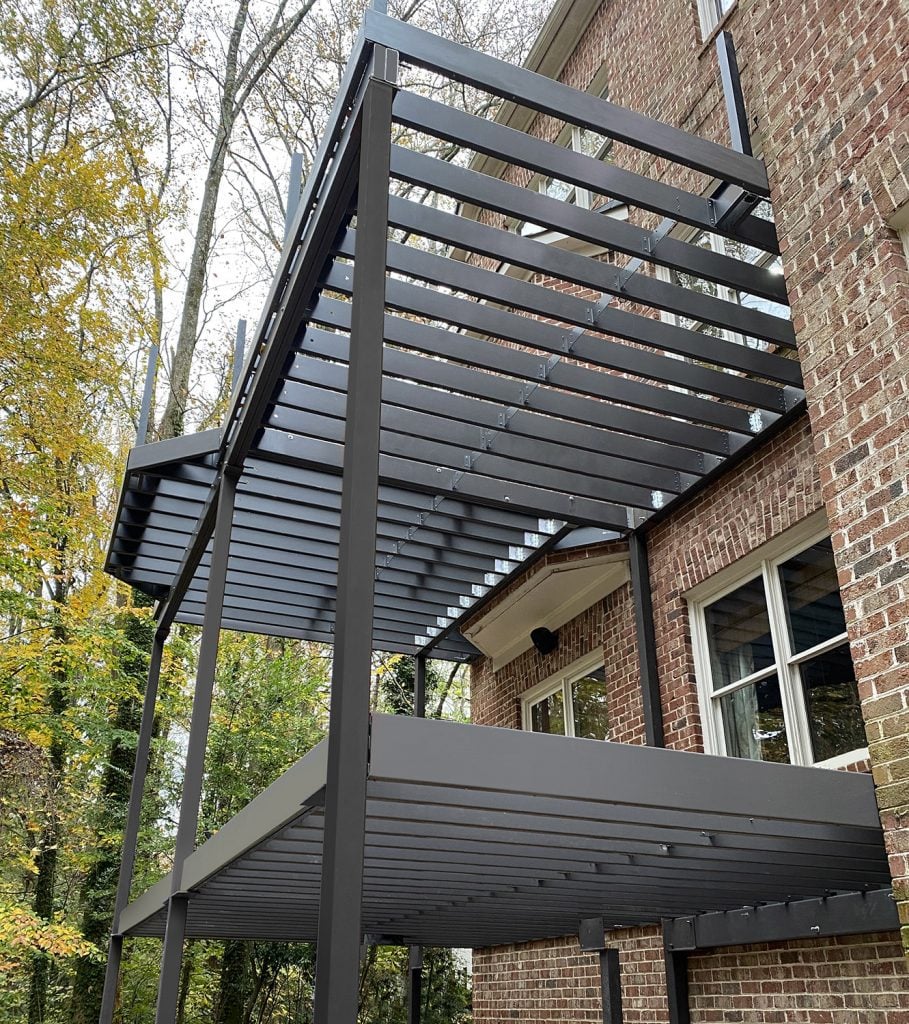
Galvanized Steel Deck Framing
- Extremely durable and structurally stable
- Resistant to moisture and insects
- Long lifespan compared to pressure-treated wood
Traditional pressure-treated lumber has become less reliable over time, with many homeowners experiencing premature rot. Investing in a non-wood framing system can eliminate that concern entirely.
Final Thoughts
Yes, you can replace deck boards without replacing the frame—but only if the structure underneath is in excellent condition.
Here’s the bottom line:
- Inspect joists, ledger, posts, and beams carefully
- Evaluate all hardware and fasteners
- Make sure your deck meets modern building codes
- Protect good framing with joist and ledger tape
- Replace the frame if there’s any sign of rot
Resurfacing can save time and money—but only when done safely and correctly.
If you’re unsure about your deck’s condition, it’s always worth getting a professional evaluation before moving forward. A safe deck isn’t just about looks—it’s about protecting your home and everyone who uses it.
