
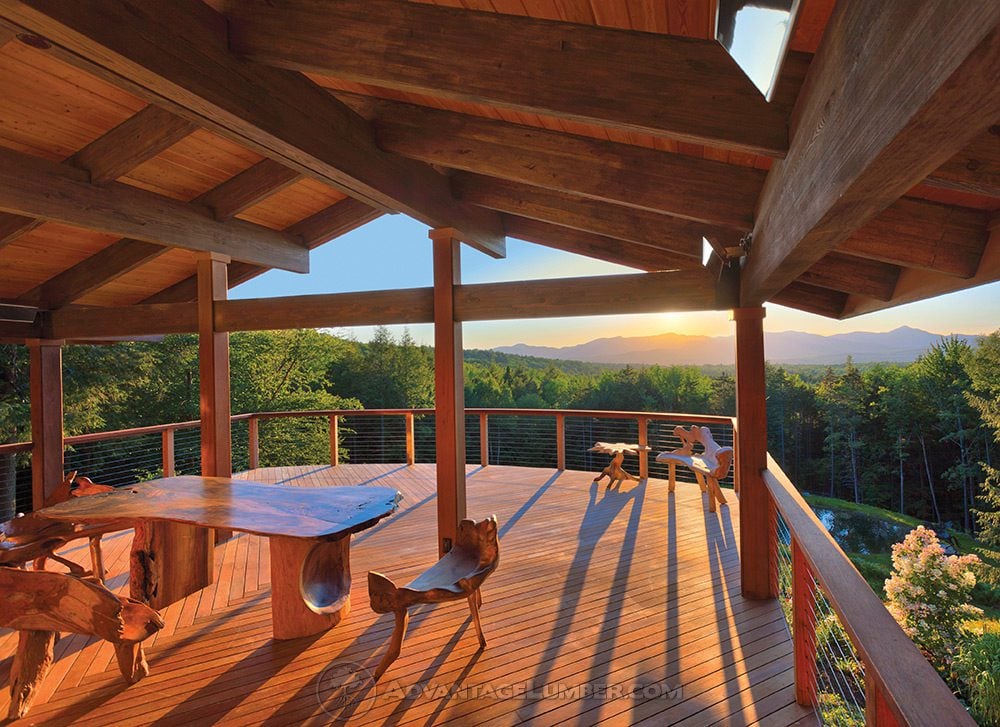
Cost vs. Home Value vs. Enjoyment
When homeowners think about improving their outdoor space, adding a deck is often one of the first ideas that comes to mind. But with changing housing markets, higher material costs, and more options than ever, many people are asking the same question in 2026:
Is building a deck still worth it?
The answer is yes but the return on investment is not just about resale value anymore. A deck’s true ROI comes from a mix of home value, everyday use, and long-term enjoyment, all influenced by location, design, materials, and build quality.
What Does Deck ROI Look Like in 2026?
From a resale standpoint, decks continue to perform well compared to many other home improvements. Most national remodeling and real estate data shows homeowners typically recoup around 65 to 85 percent of their deck investment when they sell, depending on materials, local market conditions, and how well the deck is built and maintained.
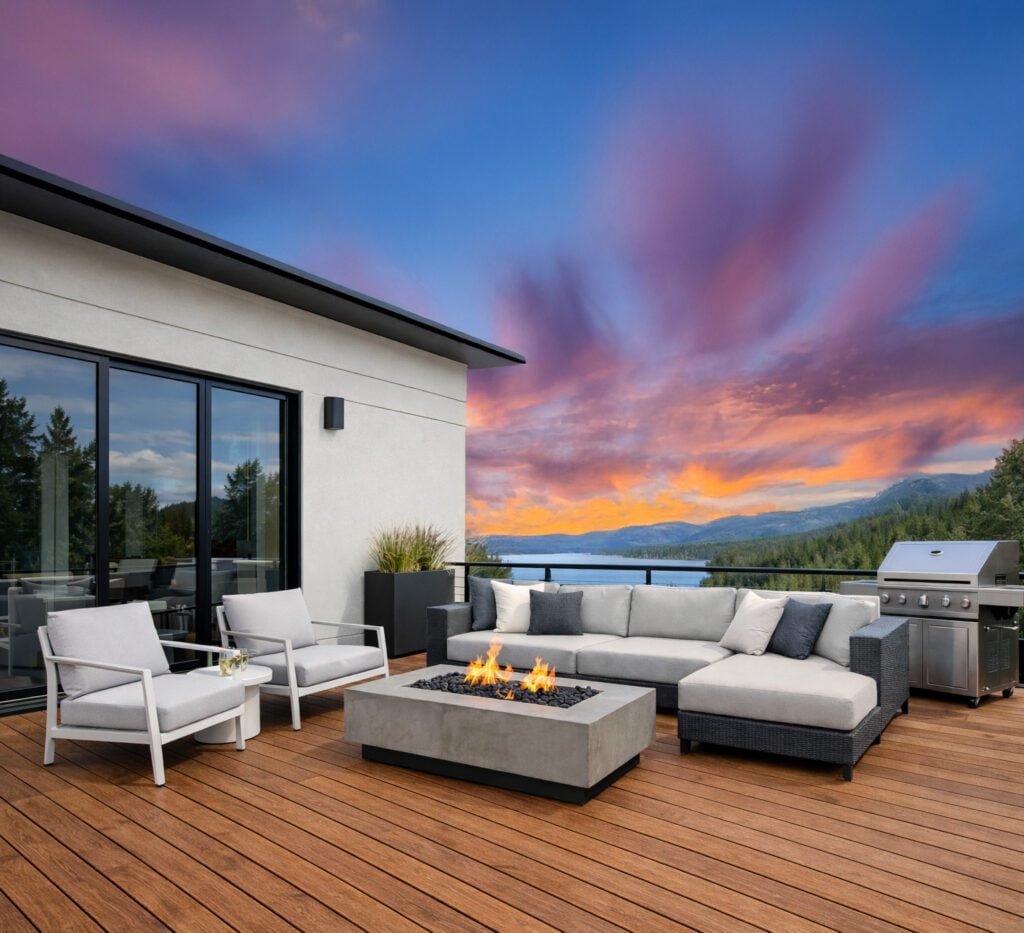
That number may not be 100 percent, but decks consistently rank among the better exterior upgrades when it comes to adding value and buyer appeal. In many cases, a deck helps a home stand out rather than simply raising the price
Why Decks Add Value: Living Space That Buyers Want
One of the biggest reasons decks remain a smart investment is simple — they add usable living space without adding square footage to the house.
In warmer climates or areas with long outdoor seasons, a deck often becomes an extension of the kitchen or living room. Buyers can easily picture hosting friends, grilling dinner, or relaxing outside, which makes the home feel more livable and complete.
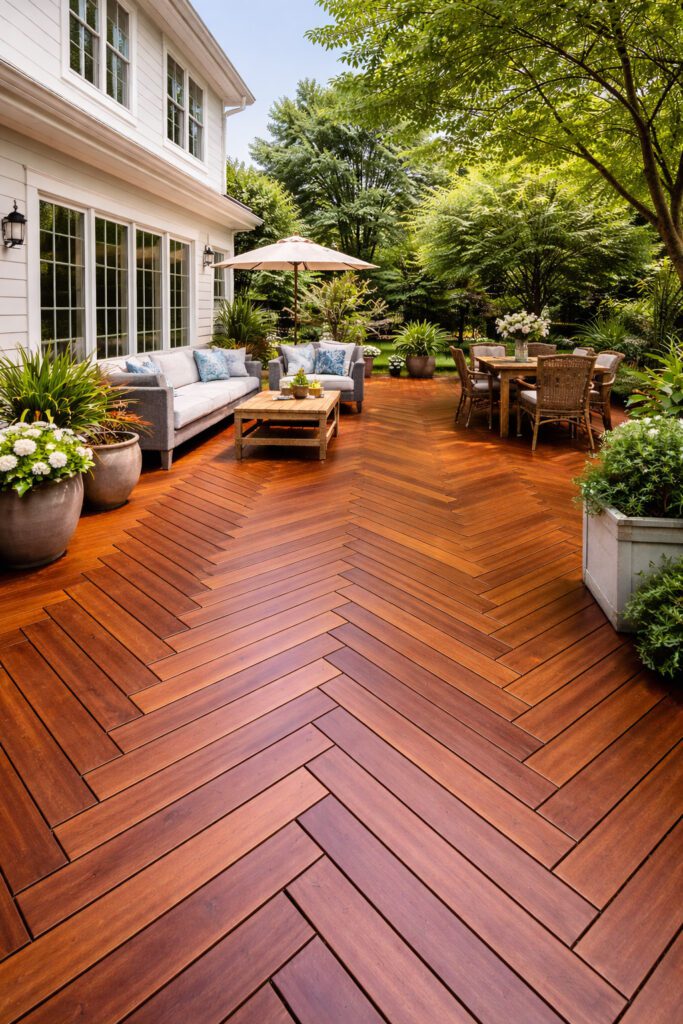
Even in cooler regions, a well-designed deck adds value by offering:
- A dedicated outdoor entertaining area
- Better flow between indoor and outdoor spaces
- A lifestyle feature buyers actively look for
In many markets, especially where outdoor living is part of everyday life, not having a deck can actually put a home at a disadvantage.
Material Choice Makes a Big Difference
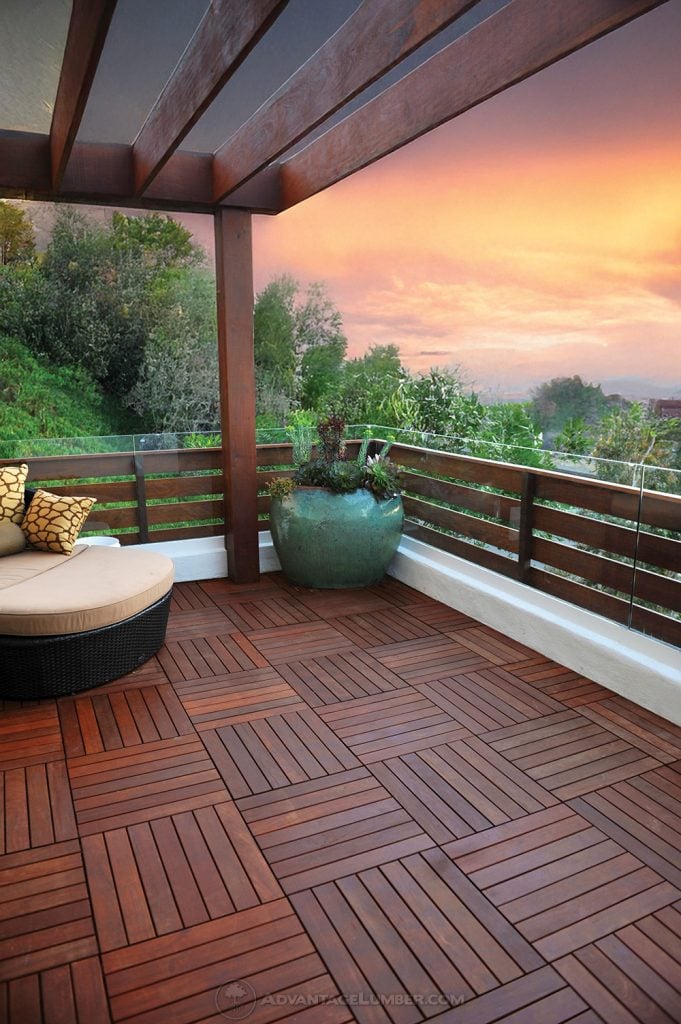
Not all decks deliver the same long-term value, and the decking surface itself plays a major role in ROI, appearance, and lifespan.
Pressure-Treated Lumber
Pressure-treated decking is often the most budget-friendly option upfront. It can offer a solid return, especially for homeowners focused on short-term value, but it does require regular maintenance and has a shorter lifespan than premium materials.
Composite decking offers a low-maintenance surface and consistent appearance, which some buyers find appealing. However, it does not match the natural beauty, strength, or long-term performance of premium hardwoods.
Tropical hardwoods are where durability, beauty, and long-term ROI truly come together. Species such as Ipe, Cumaru, Teak, Garapa, Mahogany, Tigerwood, and Brazilian Redwood are known for their exceptional hardness, natural resistance to moisture and insects, and ability to last for decades when properly installed and maintained.
These materials are frequently used in high-end residential and architectural projects because they:
- Hold their value over time
- Elevate the overall look of the home
- Age gracefully rather than deteriorating
A well-built tropical hardwood deck often becomes a standout feature that buyers immediately notice.
Design Matters More Than Ever
In 2026, buyers are paying closer attention to how a deck looks and functions, not just whether one exists.
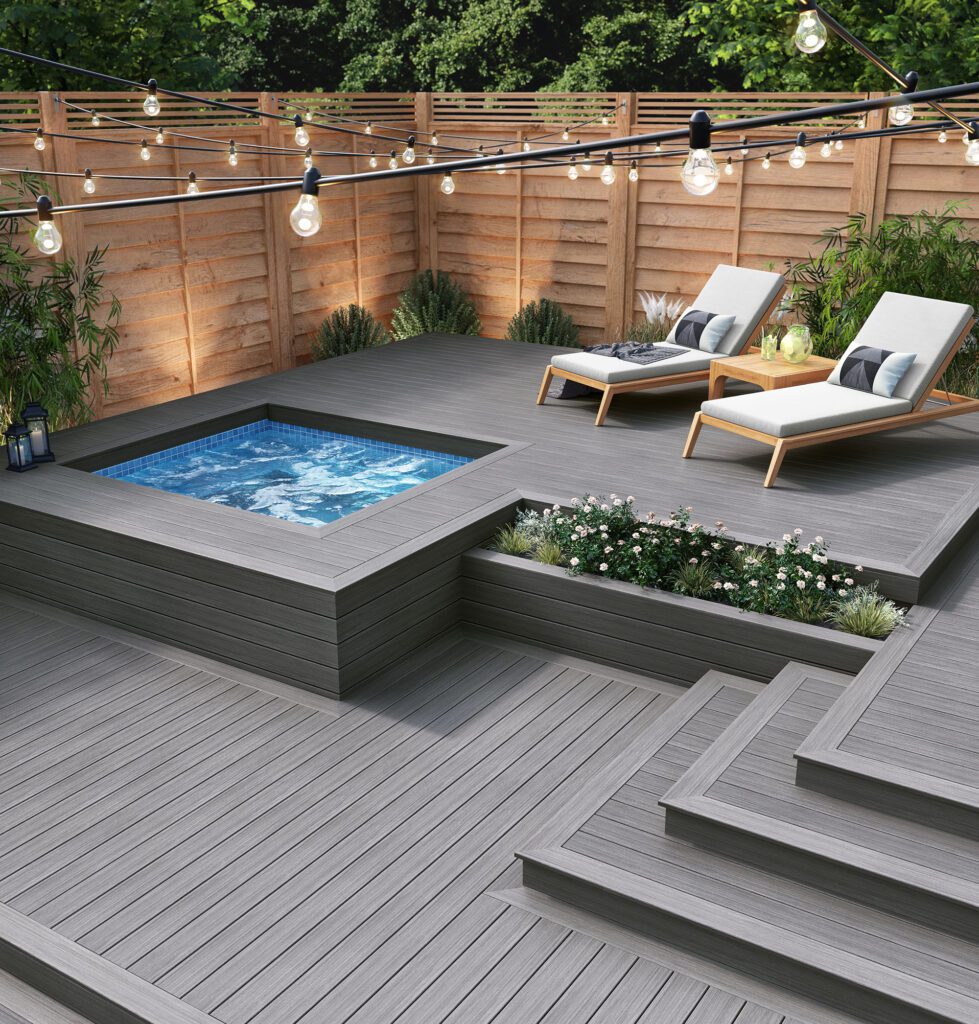
- Larger decks tend to add more value when they feel proportional to the home
- Clean layouts and thoughtful details increase perceived quality
- Unique, visually appealing designs can significantly boost a home’s overall impression
A deck that feels intentional, designed to match the home rather than added as an afterthought, is far more likely to deliver both financial return and everyday enjoyment.
Location and Climate Still Play a Role
Where you live matters. Homes in warmer climates naturally see more deck use throughout the year, which increases both enjoyment and resale appeal. In cooler areas, features like pergolas, lighting, and covered sections can help extend the usable season and improve value.
Understanding how outdoor space is used in your local market is key to getting the most out of your investment.
How to Maximize Your Deck’s ROI
Homeowners who see the best return tend to focus on a few core principles:
- A functional, visually appealing design
- High-quality materials built to last
- A consistent maintenance routine, especially for natural wood decks
- Thoughtful additions that improve safety, comfort, and style, such as:
- Deck lighting
- Built-in seating or storage
- Quality railings
- Pergolas or shade structures

These details not only improve daily use, but also help buyers feel confident in the deck’s long-term condition.
The ROI That Numbers Do Not Capture: Enjoyment
While resale value matters, decks continue to rank high for homeowner satisfaction. For many people, the deck becomes one of the most used spaces in the home — a place to relax, entertain, and spend time outside.
If you plan to stay in your home for several years, that everyday enjoyment can easily outweigh the percentage you may or may not recoup at resale.
Final Thoughts: Is a Deck Still Worth It in 2026?
For most homeowners, the answer is yes. A deck may not return every dollar spent, but it offers a rare combination of:
- Solid resale value
- Increased living space
- Improved buyer appeal
- Daily enjoyment
When built with quality materials, smart design, and proper maintenance, a deck remains one of the most rewarding home improvements you can make
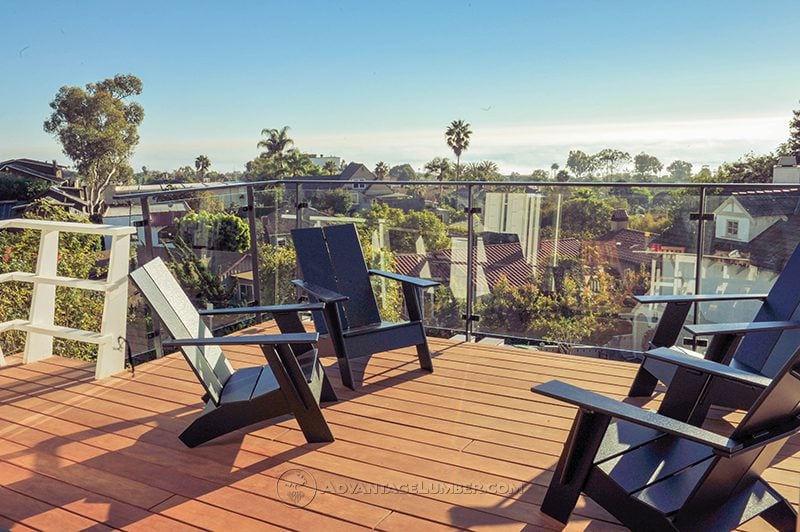
Ready to Build a Deck That Lasts?
If you are considering a new deck or upgrading an existing one, choosing the right materials is one of the most important decisions you will make.
Explore Advantage Lumber’s selection of premium hardwood decking, composite options, and decking accessories, or reach out to our team for guidance on selecting materials that fit your climate, design goals, and long-term plans.
A well-built deck is not just an investment in your home — it is an investment in how you enjoy it.