
At AdvantageLumber.com, we’re passionate about providing high-quality wood products and expert guidance to help you make informed decisions for your projects. Mahogany wood is one of the most sought-after hardwoods in the world, prized for its beauty, durability, and versatility.
However, it also comes with a lot of questions—especially about sourcing, identification, and applications. Below, we answer the nine most common questions we receive about mahogany wood, starting with the challenges of importing genuine mahogany and why our Red Balau decking offers a stellar alternative.
1. Why Is It So Hard to Source Genuine Mahogany, and What Are the Importing Issues and Restrictions?
Genuine mahogany, primarily from the Swietenia genus (including Swietenia macrophylla, or Honduran mahogany, Swietenia mahagoni, or Cuban mahogany, and Swietenia humilis), is a tropical hardwood native to Central and South America.
Its popularity for furniture, cabinetry, and boat building has led to significant over harvesting, causing environmental concerns and strict regulations. Since 2003, Honduran mahogany (Swietenia macrophylla) has been listed on Appendix II of the Convention on International Trade in Endangered Species (CITES), requiring export permits to ensure sustainable harvesting.
Cuban mahogany is even scarcer, with commercial harvesting banned in Cuba and limited availability elsewhere. Illegal logging, falsified records, and environmental damage from unsustainable practices further complicate sourcing, driving up costs and reducing supply.
These restrictions make genuine mahogany difficult and expensive to source responsibly. At AdvantageLumber.com, we prioritize sustainability and offer Red Balau as a durable, eco-friendly alternative. Red Balau, a species within the Shorea genus, provides a rich reddish-brown color and exceptional durability, making it ideal for decking and outdoor projects while being more readily available and cost-effective.
2. What Is Mahogany Wood?
Mahogany is a premium hardwood known for its straight grain, rich reddish-brown color, and excellent durability. Genuine mahogany comes from three tropical species in the Swietenia genus: Honduran or big-leaf mahogany (Swietenia macrophylla), West Indian or Cuban mahogany (Swietenia mahagoni), and Mexican mahogany (Swietenia humilis).
These species belong to the Meliaceae family and are native to the Americas. Other woods, like African mahogany (Khaya spp.) and Philippine mahogany (Shorea spp.), are often marketed as mahogany due to similar appearances but are not true mahogany. Mahogany is celebrated for its workability, resistance to rot, and aesthetic appeal, making it a favorite for high-end woodworking.
3. What Color Is Mahogany Wood?
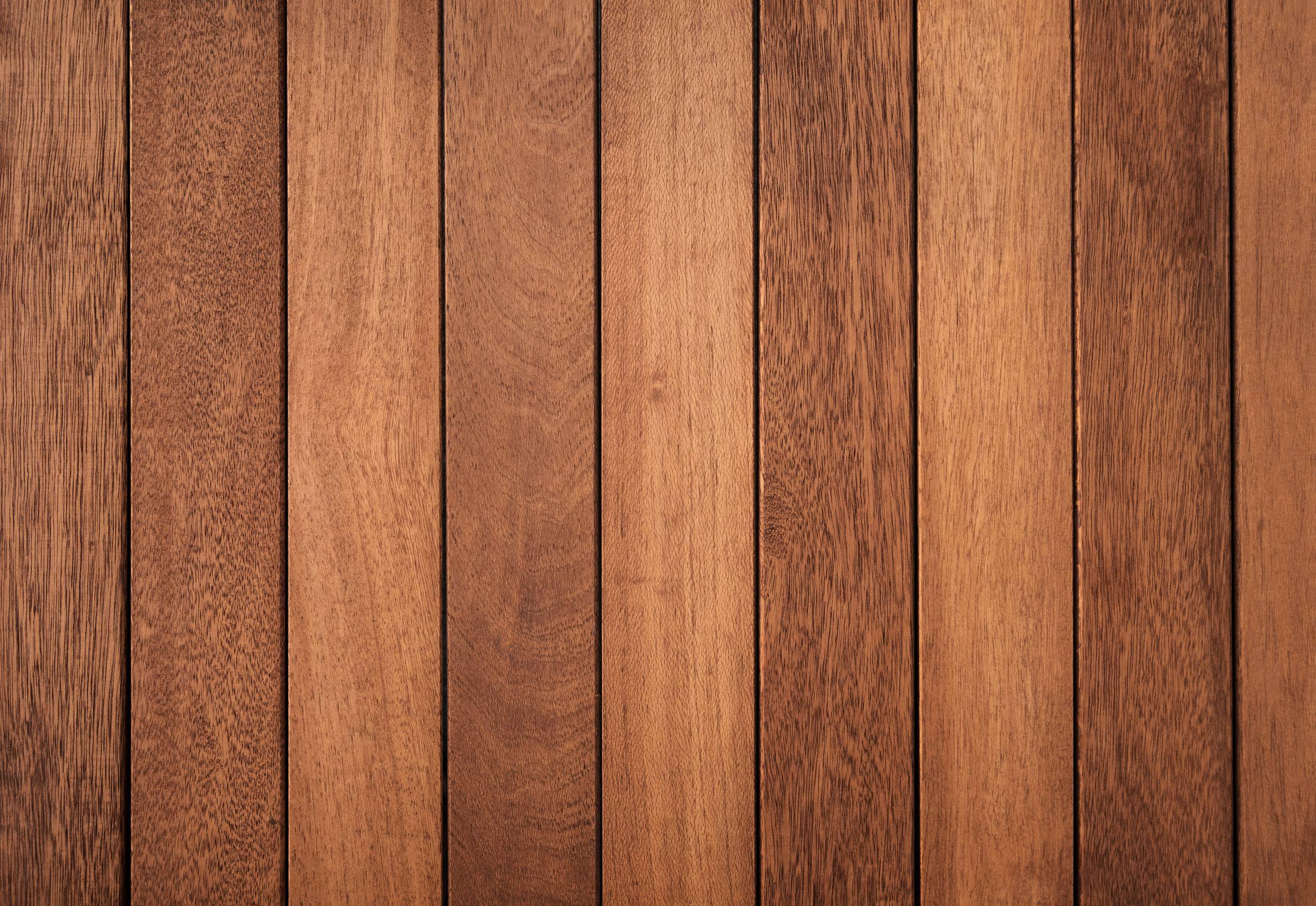
Mahogany wood is renowned for its rich, warm color palette, which ranges from light pinkish-brown in younger wood to deep reddish-brown or dark brown as it ages. The color often deepens with exposure to light, developing a luxurious patina.
Genuine mahogany, especially Honduran and Cuban varieties, typically has a consistent reddish-brown hue with occasional streaks or subtle variations. African mahogany (Khaya spp.) is slightly lighter, often with a pinkish hue, while Red Balau, our preferred alternative, offers a consistent reddish-brown tone that weathers to a rich brown, making it ideal for exterior applications like decking.
4. How to Identify Mahogany Wood?
Identifying genuine mahogany requires attention to several characteristics:
- Color: Look for a reddish-brown hue, ranging from light pinkish-brown to deep red-brown. The color darkens with age.
- Grain: Genuine mahogany has a straight to slightly interlocked grain, often with a uniform texture and natural luster. Look for ripple marks or small reddish-brown slits in rows on flat-sawn surfaces.
- Endgrain: Check the endgrain for marginal parenchyma—rows of light brown cells at the border of growth rings, a strong indicator of Swietenia species.
- Weight and Hardness: Mahogany is moderately heavy and feels denser than softwoods. You cannot easily dent it with a fingernail, confirming it’s a hardwood.
- Chemical Testing: Applying iodine to the wood surface can help; genuine mahogany turns dark blue, while other woods may not react.
5. What Does Mahogany Wood Look Like?
Mahogany wood is visually striking, with a straight to slightly interlocked grain that creates a smooth, uniform texture. Its rich reddish-brown color is often accented by subtle waves, curls, or stripes, adding character without overwhelming the wood’s elegance.
The surface has a natural luster, and when polished, it displays a stunning red sheen. Genuine mahogany is generally free of knots or defects, making it ideal for fine woodworking.
Red Balau, our mahogany alternative, has a similar reddish-brown heartwood with a tight, consistent grain and fewer defects, offering a comparable aesthetic for outdoor projects.
6. Is Mahogany Wood Expensive?
Yes, genuine mahogany is considered expensive due to its limited availability, high demand, and CITES regulations that restrict harvesting and export. Prices vary based on quality, source, and certification, with old-growth mahogany commanding the highest costs.
For example, Cuban mahogany is rare and exorbitantly priced, while Honduran mahogany is more accessible but still costly compared to common hardwoods like oak. African mahogany is a more affordable alternative, and our Red Balau decking offers a cost-effective, durable option with similar aesthetics, priced at a fraction of genuine mahogany’s cost—often one-third to one-half the price of other tropical hardwoods like Ipe.
7. Where Is Mahogany Wood From?
Genuine mahogany originates from the Americas:
- Honduran Mahogany (Swietenia macrophylla): Found from Mexico to southern Amazonia in Brazil, it’s the most widespread and commercially grown species, often sourced from plantations in Central America, Peru, Fiji, and the Philippines.
- Cuban Mahogany (Swietenia mahagoni): Native to southern Florida and the Caribbean, it’s now scarce due to overharvesting and export bans in Cuba.
- Mexican Mahogany (Swietenia humilis): Grows in Pacific Central America’s dry forests but is less commercially viable due to its smaller size.
- African mahogany (Khaya spp.): Comes from tropical Africa.
- Red Balau, part of the Shorea genus: Sourced from Indonesia and Malaysia, where it’s harvested from sustainable, FSC-certified forests.
8. Where to Buy Mahogany Wood?
For genuine mahogany or high-quality alternatives like Red Balau, trust reputable suppliers like AdvantageLumber.com. We offer responsibly sourced wood with a focus on sustainability, providing chain-of-custody documentation for FSC-certified products.
Our inventory includes genuine Honduran mahogany and Red Balau decking, available in various grades and profiles. Avoid big-box stores or unverified retailers, as they may sell mislabeled “mahogany” (e.g., Philippine mahogany) that lacks the quality of true mahogany.
Visit AdvantageLumber.com or call 1-877-232-3915 for custom quotes, samples, or to explore our huge inventory of exotic hardwoods.
9. What Is Mahogany Wood Used For?
Mahogany’s versatility makes it a favorite for various applications:
- Furniture: Its rich color and workability are ideal for high-end furniture, cabinets, and tables.
- Musical Instruments: Mahogany’s tonal qualities make it popular for guitar bodies, necks, drum shells, and piano cases.
- Boat building: Its resistance to moisture and rot suits decking, trim, and classic wooden boat restoration.
- Flooring and Veneers: Mahogany’s hardness and beauty are perfect for flooring and decorative veneers.
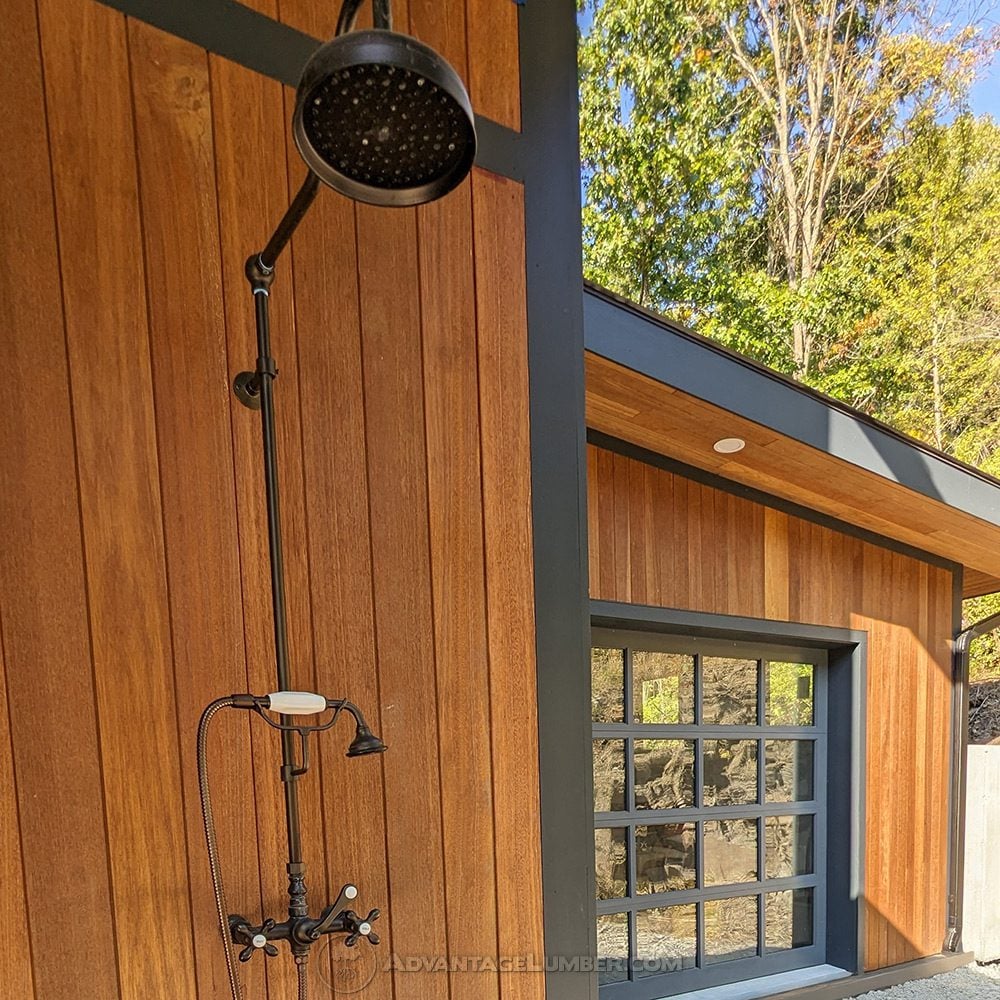
- Outdoor Projects: Red Balau, with superior insect and rot resistance, is an excellent choice for decking, siding, and outdoor furniture, offering a sustainable alternative to genuine mahogany.
10. How Hard Is Mahogany Wood?
Mahogany’s hardness varies by species but generally falls in the moderate range for hardwoods. On the Janka hardness scale (measuring pounds of force required to embed a steel ball into the wood):
- Honduran Mahogany: Approximately 800–900 lbf, making it harder than softwoods like pine (420 lbf) but softer than oak (1,200 lbf) or maple (1,450 lbf).
- Cuban Mahogany: Around 660 lbf, slightly softer but still durable.
- African Mahogany: Ranges from 800–1,100 lbf, depending on the species.
- Red Balau Mahogany: Comparable to hard maple, with a Janka rating of around 1,200 lbf, offering excellent durability for outdoor use without being too hard to work with.
Mahogany’s moderate hardness makes it easy to carve and shape while providing sufficient resistance to wear, ideal for both indoor and outdoor applications. Red Balau’s higher hardness enhances its suitability for high-traffic areas like decks.
Why Choose AdvantageLumber.com for Mahogany and Red Balau?
At AdvantageLumber.com, we understand the challenges of sourcing genuine mahogany and offer sustainable, high-quality alternatives like Red Balau to meet your needs. Our Red Balau decking provides the rich appearance and durability of mahogany at a fraction of the cost, with consistent color and superior insect and rot resistance.
Whether you’re building a deck, crafting furniture, or restoring a classic boat, we have the expertise and inventory to support your project. Visit AdvantageLumber.com or call 1-877-232-3915 to request a sample, get a custom quote, or learn more about our responsibly sourced hardwoods.
