

When building a deck, 16 inches on center is often considered the standard joist spacing. However, that may not be the right spacing for every decking material or installation.
The thickness and type of decking you’re using can change the requirements. A thicker hardwood board, for example, may be able to span 24 inches between joists, while a thinner composite or PVC board may call for closer spacing. A diagonal decking pattern can also require 12-inch spacing.
So, should you use 12, 16, or 24 inches on center? It depends on what you’re putting on top of the frame.
12-Inch Joist Spacing
Twelve inches on center provides more support between each joist. That can help limit movement and give the deck a more solid feel underfoot.
It’s especially common when decking is installed diagonally. Because the boards span farther between supports in a diagonal layout, many manufacturers require 12-inch O.C. spacing. Some thinner or more flexible decking products may also require or benefit from tighter spacing.
There is a tradeoff, though. Twelve-inch spacing requires more joists, fasteners, and labor. If the decking doesn’t require it, there’s probably little reason to add the extra framing.
16-Inch Joist Spacing
For a standard deck with the boards running perpendicular to the joists, 16 inches on center is a common choice.
It works with many hardwood, composite, and PVC decking products. It can also provide a good balance between support and framing costs.
If you’re looking for a starting point for a typical deck, 16 inches on center is probably a reasonable one. However, don’t assume it’s appropriate for every product. Always check the decking manufacturer’s installation requirements before you build the frame.
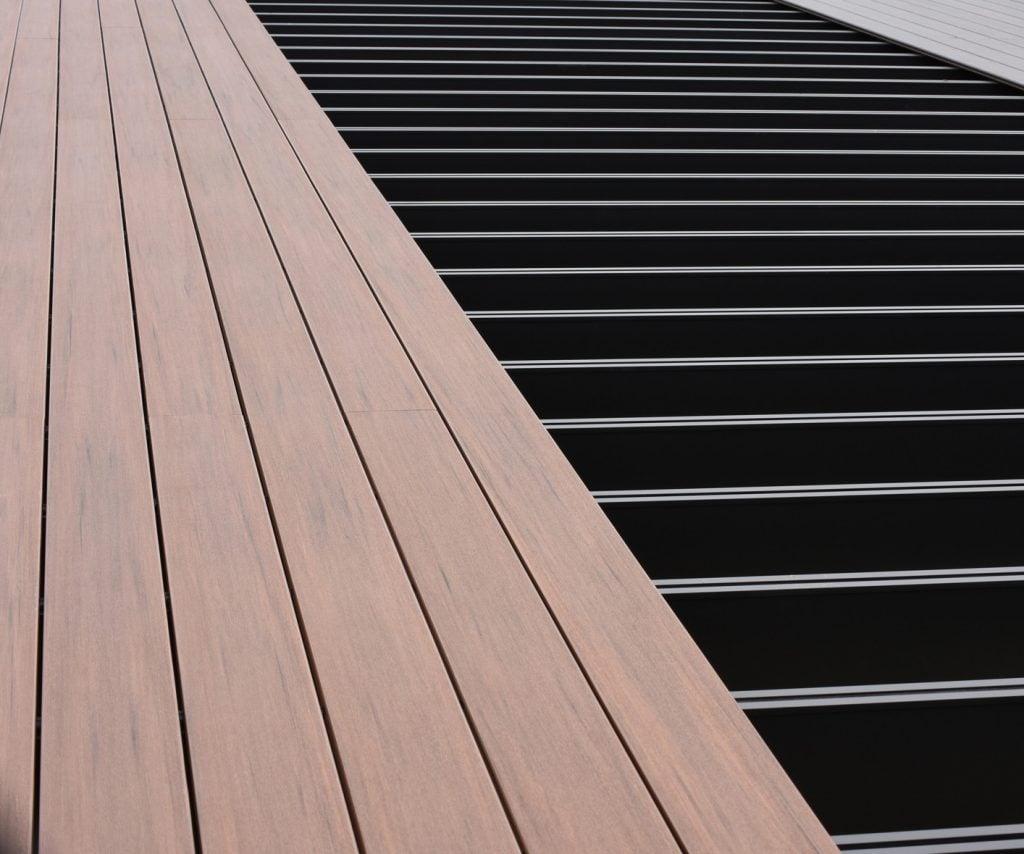
24-Inch Joist Spacing
Twenty-four-inch O.C. spacing can reduce the amount of framing required. However, it isn’t suitable for every type of decking.
This is where board thickness becomes particularly important.
Thicker and stiffer decking can generally span farther between joists than thinner boards. Some 2x hardwood decking, for example, may be able to span 24 inches O.C. when the product and local requirements allow it.
Some composite and PVC products can also span 24 inches. The requirements vary considerably from one product to another, though. A 24-inch spacing that works for one PVC or composite board may not be acceptable for another.
So, don’t assume that a particular material can handle 24 inches on center just because a similar product can.
How Deck Board Thickness Affects Joist Spacing
The thickness of the decking can make a noticeable difference in how far you can space the joists. A thinner board has less material to resist flexing, so it generally needs more support underneath it.
With 1x decking, closer joist spacing is usually the safer choice. 5/4 decking gives you more options, and 16 inches on center works for many products. Some 5/4 hardwoods may also allow wider spacing.
2x decking is a different story. The extra thickness gives the boards more rigidity, and some products can span 24 inches on center. This is one reason you’ll often see wider joist spacing paired with thicker hardwood decking.
However, thickness isn’t the whole story. The species, decking material, board profile, and manufacturer’s installation requirements can all affect the allowable spacing.
Hardwood vs. Composite and PVC Decking
Hardwood decking and synthetic decking don’t necessarily behave the same way between joists.
Dense hardwoods such as Ipe, Cumaru, Tigerwood, Garapa, and other tropical hardwoods are stiff and durable. When you’re using thicker hardwood decking, 24-inch O.C. spacing may be possible for certain products.
That doesn’t mean wider spacing is always the better choice. 16-inch O.C. spacing can give the deck a more rigid feel and provide additional support, especially when you’re working with a thinner hardwood profile.
Composite and PVC decking can behave differently. Many products are designed for 16-inch O.C. spacing, while some may require 12 inches for certain installations. Other, thicker products are specifically designed to span 24 inches.
For that reason, it’s important to check the installation instructions for the exact decking you’re using. A general rule for the material may not tell you everything you need to know.
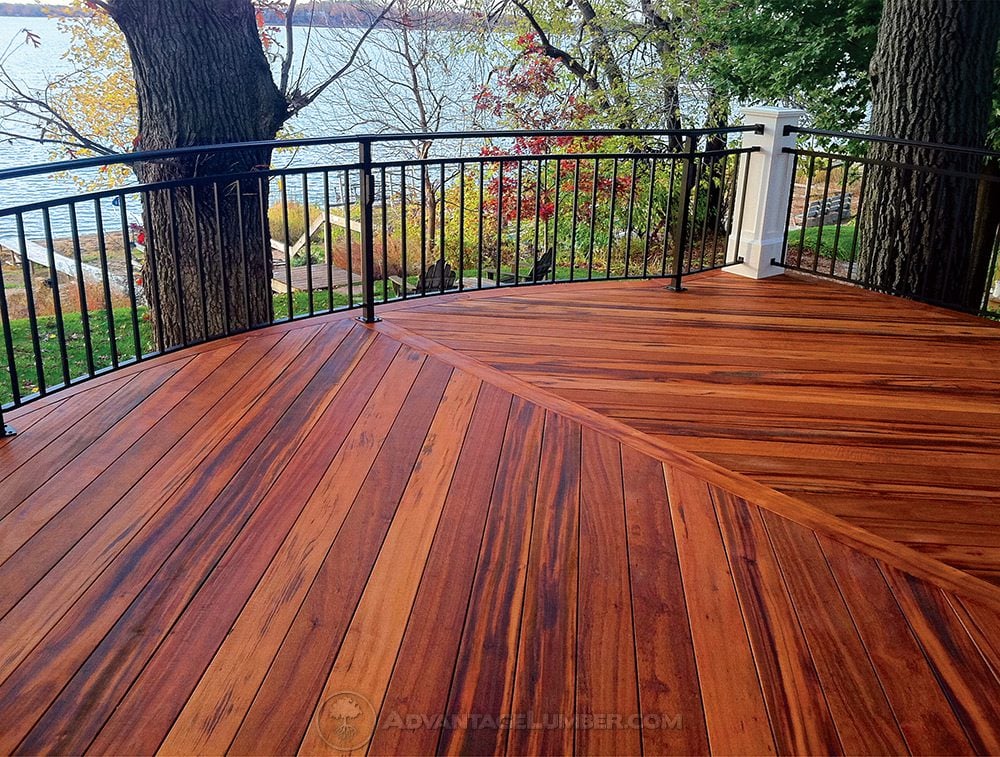
What About Diagonal Decking?
If you’re installing your decking diagonally, you should probably plan on closer joist spacing.
Many manufacturers recommend 12-inch O.C. spacing for diagonal installations because the boards span farther between supports. Likewise, more complicated patterns, such as herringbone, may require additional framing to properly support the decking.
It’s much easier to account for this when you’re building the frame than to add support later. Plan the framing around the finished decking pattern from the start.
How to Choose the Right Joist Spacing
The best joist spacing starts with the decking, not the framing. Before you build the deck, check the installation requirements for the specific boards you’re using.
For many standard deck installations, 16 inches on center will be a good starting point. However, you may need 12-inch spacing for a diagonal layout or a decking product that calls for additional support. On the other hand, some thicker hardwood, composite, and PVC products may allow 24-inch spacing.
Board thickness, decking material, installation pattern, and local building codes all play a role. Taking a few minutes to check these requirements before building the frame can save you from having to add or move joists later.
Looking for decking for your next project? Check out the Advantage Lumber website to explore hardwood, composite, and PVC decking options.
