
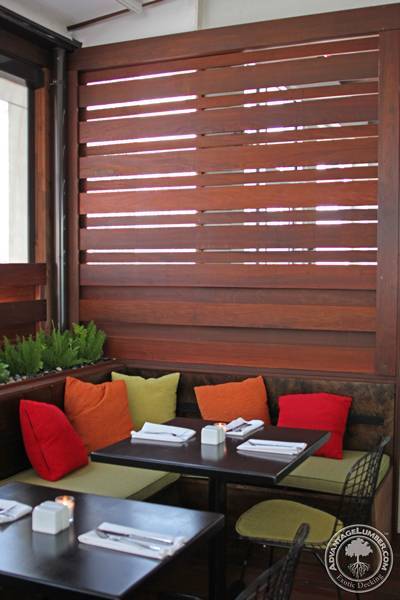
Summer is the season for outdoor living, but exposed decks and open backyard layouts can sometimes leave outdoor spaces feeling less private than homeowners would like.
That is why more homeowners are adding privacy screens and deck skirting to create outdoor spaces that feel more comfortable, polished, and functional.
The right privacy features can block unwanted views, hide the space beneath a deck, improve curb appeal, and help transform an ordinary backyard into a more relaxing outdoor retreat.
But while privacy and skirting features can dramatically improve appearance, they also need to be designed correctly, especially when it comes to airflow and moisture management.
Here’s how to create a more secluded backyard space without compromising long-term deck performance.
Why Add Privacy Screens or Deck Skirting?
Privacy screens and deck skirting do more than improve aesthetics. They can also:
- Create a more intimate backyard environment
- Hide under-deck framing and storage areas
- Improve curb appeal
- Add shade and wind protection
- Help define outdoor dining or lounge areas
- Give decks a more finished, custom-built appearance
When thoughtfully designed, privacy features can make almost any deck feel more luxurious and inviting.
Wood Privacy Screens: Stylish, Durable, and Functional
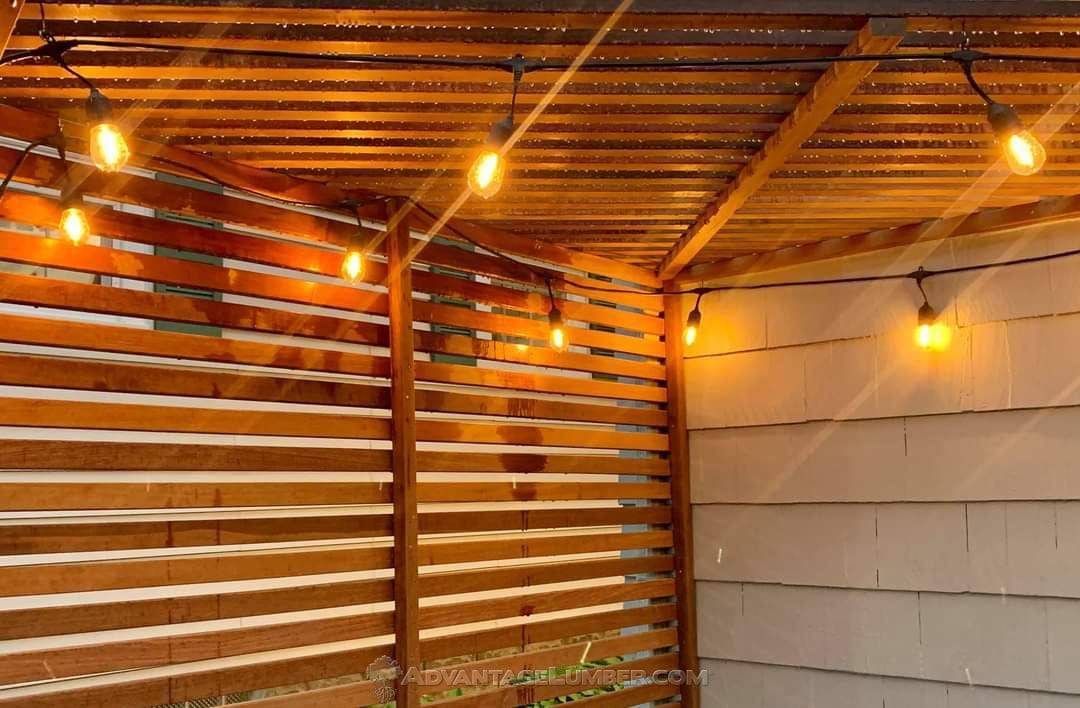
Outdoor wood privacy screens are one of the most popular ways to create separation and seclusion without completely closing off a space.
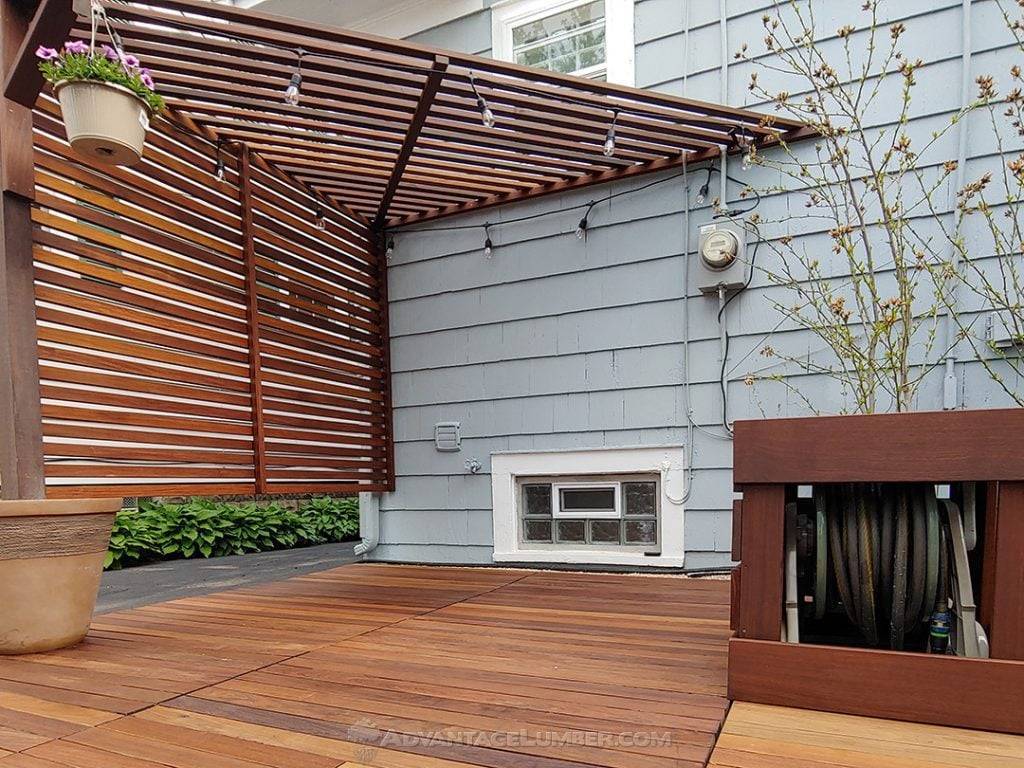
Horizontal slat walls, decorative divider panels, and pergola privacy sections provide privacy while still allowing airflow and filtered sunlight.
Using wood rips and 1×2 material is also a smart design choice because narrower boards help reduce material waste during production. Smaller pieces that might otherwise be discarded can be repurposed into beautiful architectural features, making the project more eco-friendly.
Best Wood Species for Outdoor Privacy Screens
Not all wood performs equally outdoors. For long-term durability, tropical hardwoods remain one of the best choices for privacy walls and screens.
Species like Ipe, Cumaru, Teak, and Tigerwood are naturally resistant to:
- Rot
- Moisture
- Insects
- Harsh weather conditions
These hardwoods contain natural oils and dense grain structures that help them perform exceptionally well outdoors for decades with proper installation and maintenance.
While pressure-treated lumber may seem less expensive upfront, it often requires significantly more maintenance over time and generally does not offer the same longevity or premium appearance.
Modern Privacy Screen Design Ideas
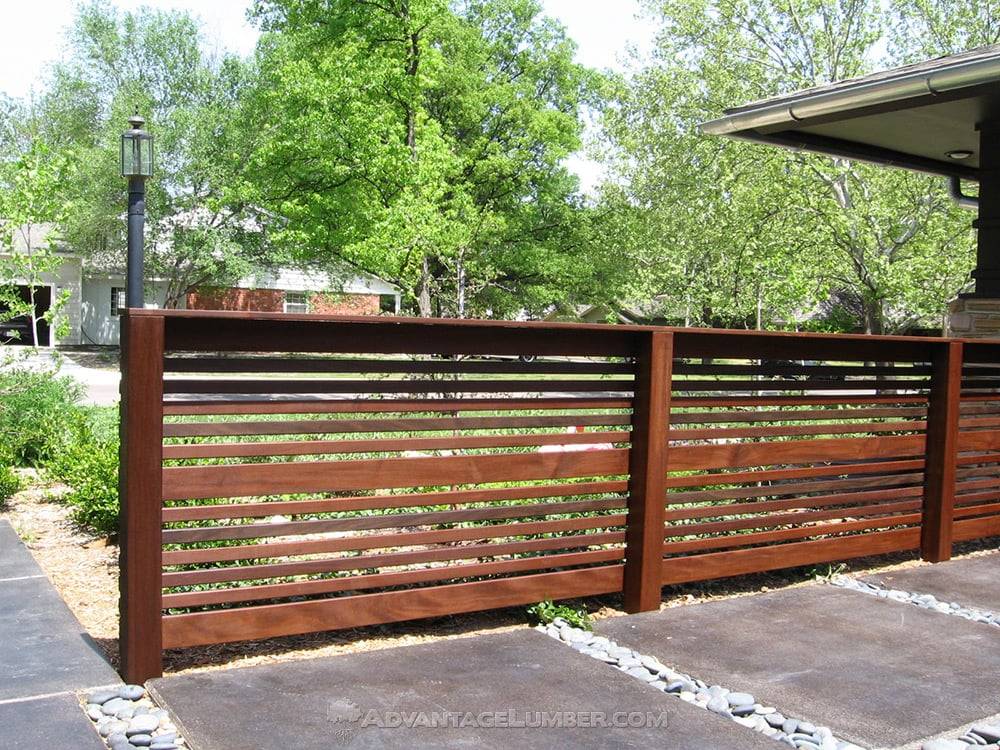
Today’s privacy screens can serve as both functional barriers and architectural design features.
- Horizontal Slat Screens – Modern horizontal slats create a clean, contemporary appearance while still allowing airflow and filtered light.
- Pergolas with Privacy Panels – Pergolas paired with slatted side walls create resort-style backyard spaces perfect for outdoor dining areas, hot tubs, and lounge spaces.
- Mixed Material Privacy Walls – Combining hardwoods with metal accents, cable railing, or composite materials creates a modern custom appearance.
- Composite Privacy Panels – Composite privacy walls pair well with composite decking from brands like Trex and TimberTech while offering lower maintenance requirements.
Deck Skirting: Beauty Meets Function
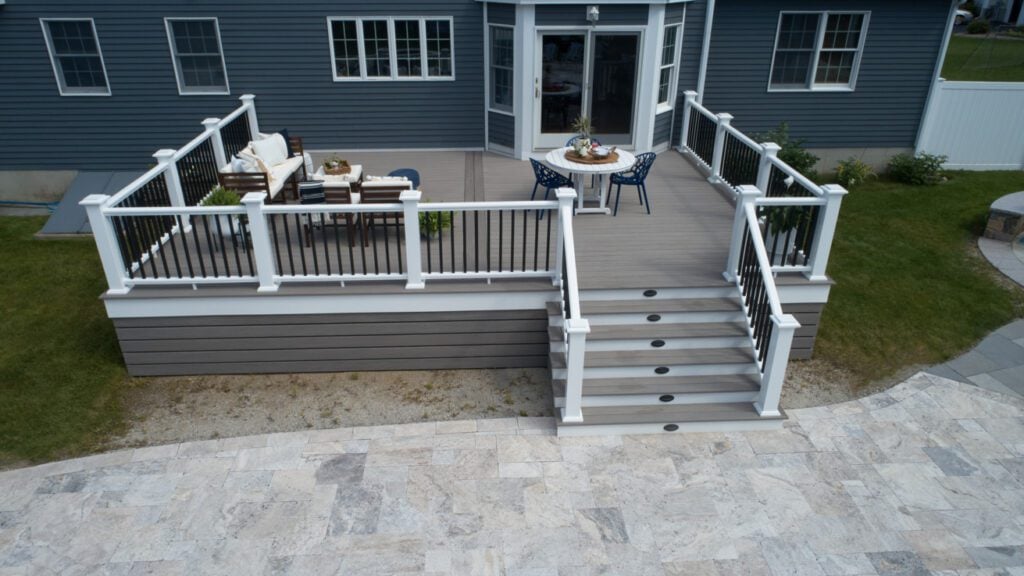
Deck skirting helps conceal the open area beneath a deck while creating a cleaner, more finished appearance.
But while skirting can dramatically improve appearance, it should never come at the expense of proper ventilation.
One of the biggest mistakes homeowners make is fully enclosing the underside of a deck without allowing enough airflow. Trapped moisture beneath a deck can lead to mold, mildew, warped boards, and premature structural deterioration.
A fully enclosed deck may look great at first, but poor ventilation can shorten the lifespan of the entire deck system.
Does Deck Skirting Need Ventilation?
Yes. Proper airflow beneath a deck is essential for long-term performance.
Without adequate ventilation, trapped humidity beneath the deck can contribute to:
- Mold and mildew growth
- Rot in framing materials
- Warping and cupping
- Increased insect activity
- Premature material failure
Like all decking materials, premium hardwood decking and composite decking systems perform best when proper airflow is maintained beneath the structure.
How to Install Deck Skirting Correctly
The good news is you can absolutely have attractive deck skirting without compromising deck performance.
Here are some best practices to follow:
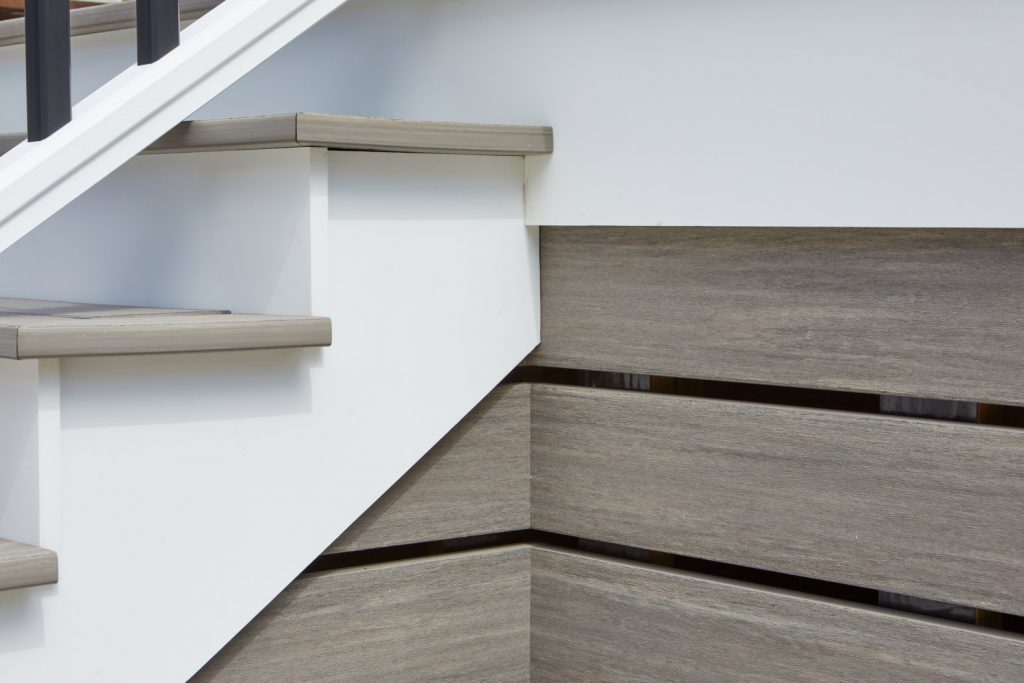
- Leave Ventilation Gaps – Install skirting with approximately 1 – 2 inch gaps between boards whenever possible. Lattice systems or horizontal slat designs work especially well because they maintain airflow while still providing visual screening.
- Add Vents Along the Perimeter – Additional vents every 6 – 8 feet can improve air circulation beneath the deck and help reduce trapped humidity.
- Use Removable Panels – Removable sections allow easier access for maintenance, inspections, drainage systems, or storage areas beneath the deck.
- Avoid Fully Sealed Panels – Solid skirting panels installed directly to the ground can trap moisture and restrict airflow. If using solid panels, make sure they are elevated or properly vented.
What Is the Best Material for Deck Skirting?
The best material for deck skirting depends on your design goals, maintenance preferences, and how close the skirting will be to the ground.
Hardwood skirting offers a high-end natural appearance and pairs beautifully with tropical hardwood decking. Species like Ipe, Cumaru, and Tigerwood provide excellent durability and natural resistance to moisture and insects.
PVC skirting is another popular option for low-clearance areas because it does not absorb moisture and requires very little maintenance.
Composite skirting can also work well when paired with composite decking systems, especially when designed with proper ventilation for long-term performance.
No matter which material you choose, airflow beneath the deck should always be part of the design.
The Bottom Line
Privacy screens and deck skirting can dramatically improve the comfort, appearance, and functionality of an outdoor living space. The key is choosing durable materials and designing the system with proper airflow in mind.
With the right balance of style, ventilation, and long-lasting materials, you can create a backyard space that looks beautiful and performs well for years to come.
Skirt for style. Vent for longevity.
Ready to Upgrade Your Outdoor Space?
Explore premium hardwood decking, PVC decking, composite decking, and outdoor building materials at AdvantageLumber.com. Our team can help you choose the right products for a deck that stays beautiful, durable, and built to last.
