
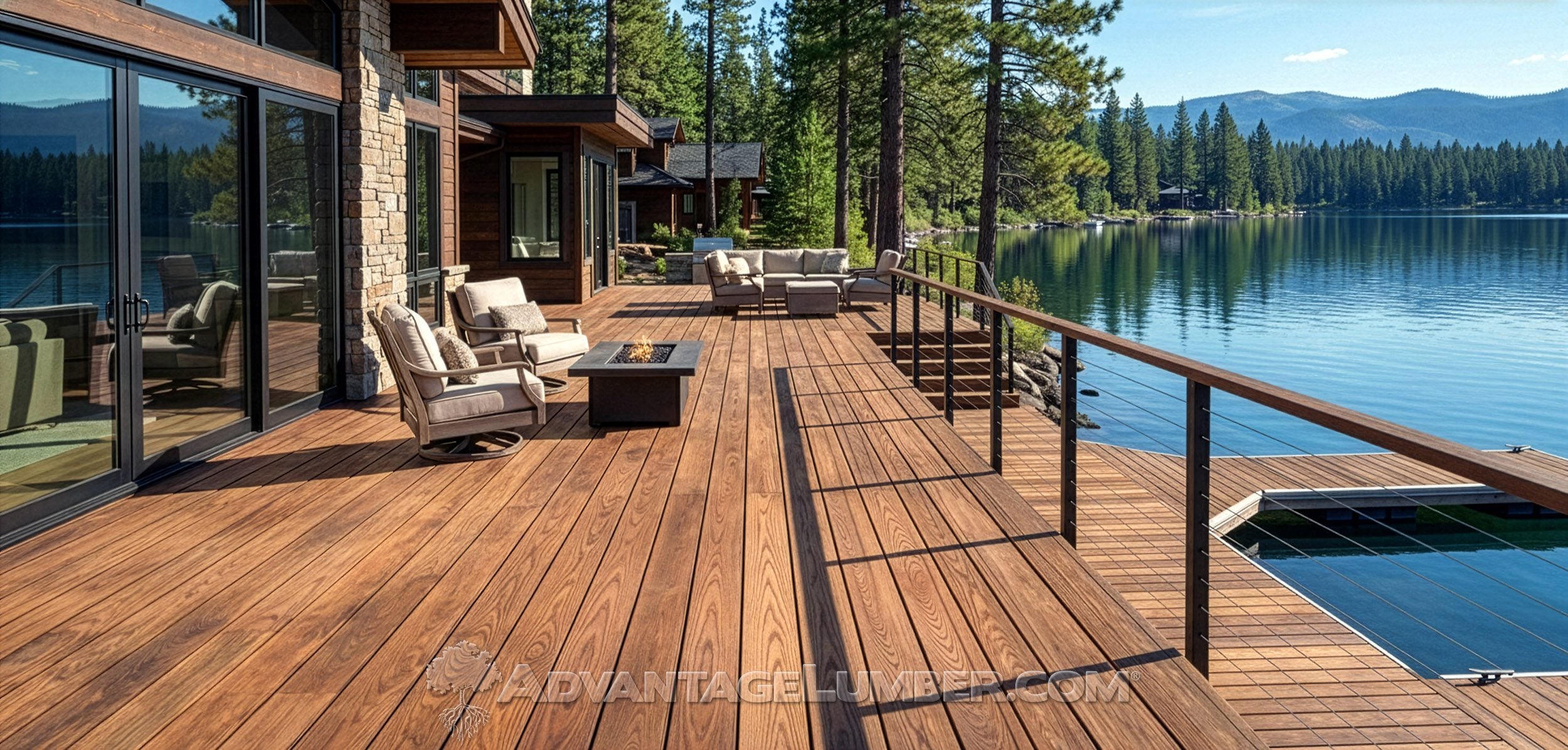
Thermally modified wood has emerged as a compelling option for outdoor projects like decking, siding, and cladding, especially when compared to traditional tropical hardwoods such as Ipe, Teak, or Cumaru.
These exotic species have long been prized for their exceptional natural durability, density, and resistance to rot, insects, and weathering—often lasting 40+ years or more. However, concerns about sustainability, environmental impact, and sourcing have led many to seek alternatives.
What Is Thermally Modified Wood?
Thermally modified wood undergoes a chemical-free process where it’s heated to high temperatures (typically in a low-oxygen environment with steam) to alter its cellular structure. This removes moisture and natural sugars, resulting in:
- Superior dimensional stability — it absorbs far less water (often 50-90% reduction in swelling/shrinking compared to untreated wood).
- Enhanced resistance to decay, fungi, and insects — many thermally modified species achieve Durability Class 1 (the highest rating for rot resistance), matching or even surpassing some tropical hardwoods in certain tests.
- A rich, darkened color that mimics the warm tones of exotic woods, with improved grain visibility.
- No added chemicals — making it eco-friendly and safe for residential use.
Common species include thermally modified ash, pine, or poplar, sourced from sustainable and abundant fast-growing forests.
How Does It Compare to Tropical Hardwoods Like Ipe?
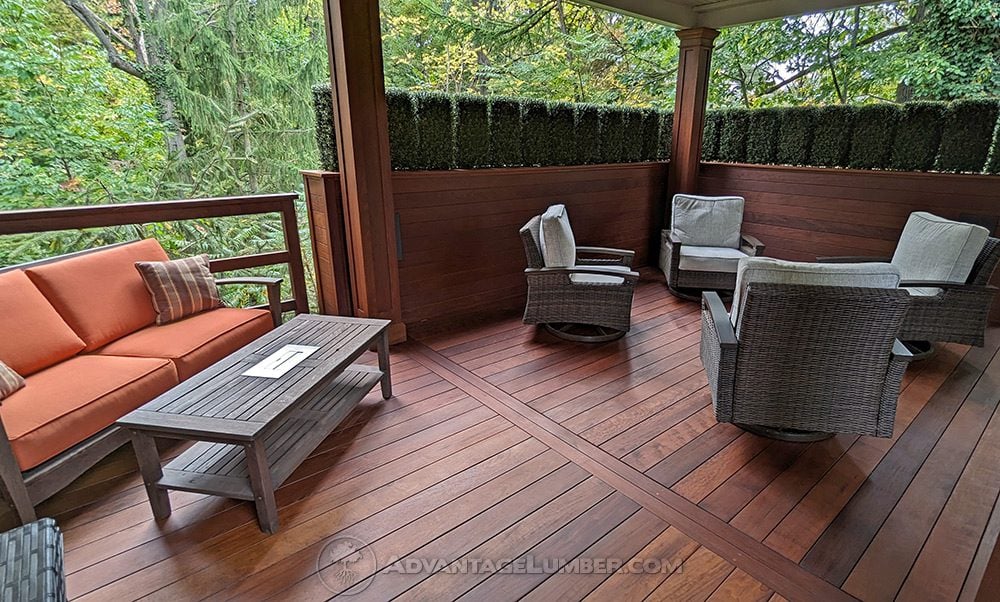
Tropical hardwoods like Ipe remain benchmarks for longevity and hardness (Ipe often lasts 50-75 years in ideal conditions). However, thermally modified wood holds its own in key areas:
- Durability and Longevity — Both often fall into Durability Class 1. Some thermally modified ash varieties rank at the top of this class, offering 25+ years of service life in outdoor applications.
- Stability — Thermally modified wood excels here, with significantly less warping, cupping, or movement in changing weather—ideal for humid or variable climates.
- Sustainability — This is where thermally modified wood shines. Tropical hardwoods require long-distance shipping from rainforests (often with variable sustainability practices), contributing to higher carbon footprint concerns. Thermally modified options use domestically sourced, renewable species, making them more environmentally responsible.
- Maintenance and Workability — Thermally modified wood is lighter, easier to cut/install, and generally requires less frequent sealing than some exotics (though both benefit from occasional care).
- Aesthetics — It delivers a similar rich, brown hue without the extreme density of Ipe, which can feel very hard underfoot or retain more heat.
Disadvantages of thermally modified wood include slightly reduced bending strength or brittleness in some cases (due to the heat process) and potentially shorter extreme lifespans compared to the densest tropical species in the harshest marine environments. Still, for most residential and commercial uses, it’s a strong contender.
Why Thermally Modified Wood Was Primarily Commercial—Until Now
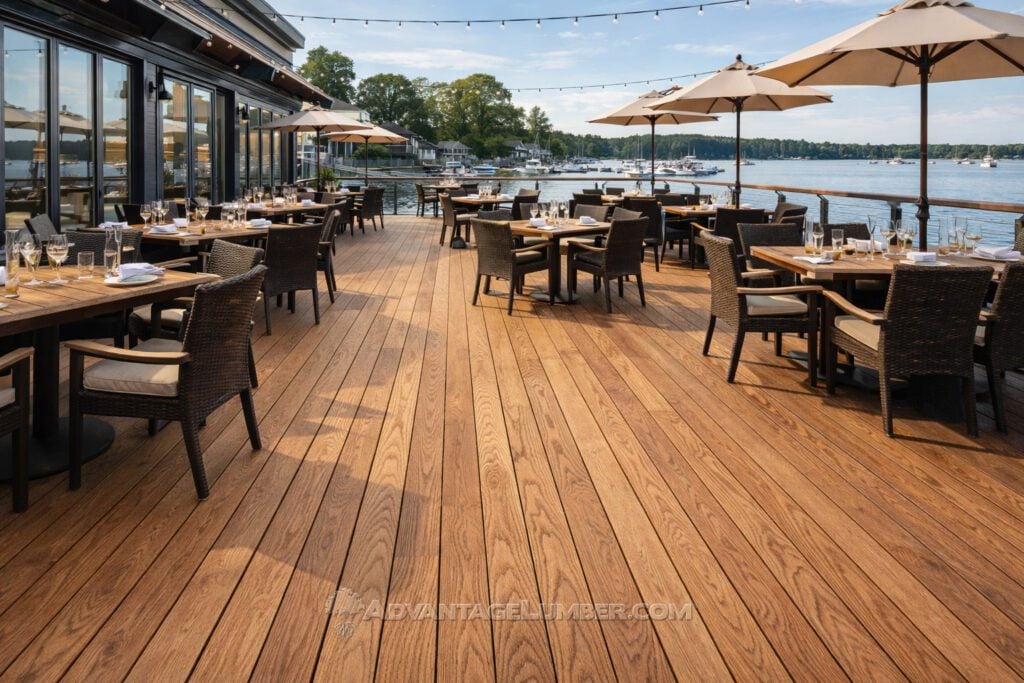
Historically, thermally modified woods have most commonly been used in commercial applications (such as public boardwalks, cladding on buildings, or large-scale projects) because their price point was higher than many exotic woods like Ipe. The specialized treatment process and limited availability kept costs elevated, making them less accessible for everyday homeowners.
At AdvantageLumber.com, we’ve changed that equation. By selling thermally modified woods direct to customers—cutting out middlemen and optimizing our supply chain—we’ve significantly lowered the price point. What was once a premium, commercial-only option is now well within reach for homeowners looking to build beautiful, long-lasting decks, fences, or outdoor features without compromising on quality or ethics.
Now home owners can opt for thermally modified ash and thermally modified pine at a factory direct price.
The Bottom Line: A Smart, Sustainable Choice
Yes, thermally modified wood is an excellent alternative to tropical hardwoods like Ipe—especially if you value sustainability, dimensional stability, and a more accessible price. It provides comparable (or better) performance in many real-world scenarios, with the added peace of mind that comes from responsible sourcing.
If you’re planning an outdoor project and want real wood beauty without the environmental drawbacks of imported exotics, explore our selection of thermally modified options at AdvantageLumber.com. Our team is here to help you choose the perfect material for your needs—durable, stylish, and now more affordable than ever. Contact us today to get started!
