
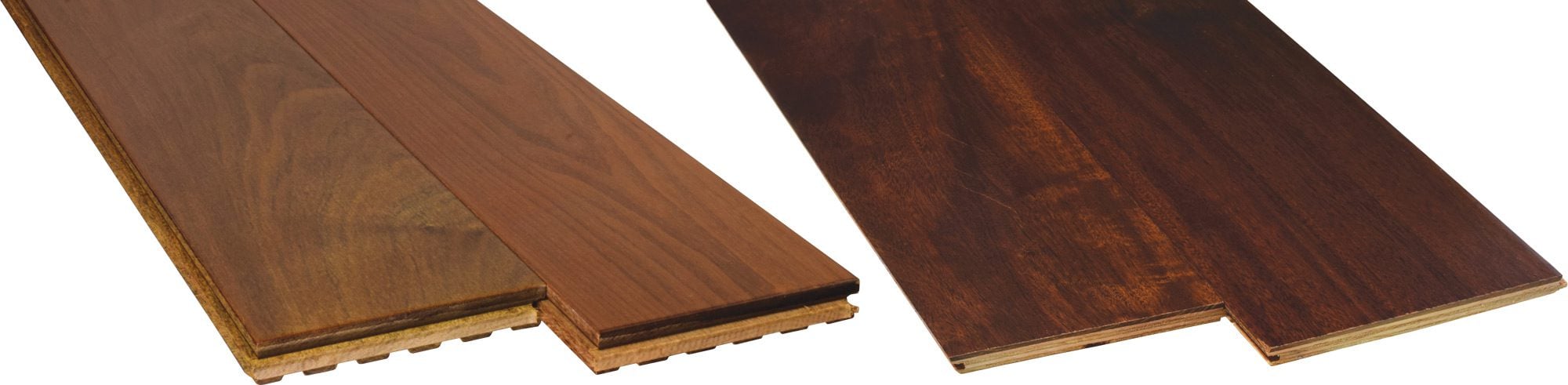
When it comes to hardwood flooring, few choices elevate a space like the timeless beauty of real wood. At AdvantageLumber.com, we specialize in premium hardwood options that blend durability, aesthetics, and value.
But with so many varieties available, one of the most common dilemmas homeowners face is deciding between solid hardwood and engineered hardwood flooring. Both offer the warmth and elegance of natural wood, but they differ in construction, performance, and ideal applications.
In this post, we’ll break down the pros and cons of each, discuss where you can (and shouldn’t) use them, and highlight the crucial role of the Janka hardness rating in your decision-making process. Whether you’re renovating a cozy living room or outfitting a bustling kitchen, understanding these differences will help you make an informed choice.
What is Solid Hardwood Flooring?
Solid hardwood flooring is exactly what it sounds like: planks milled from a single piece of solid wood, typically 3/4-inch thick. This classic option has been a staple in homes for centuries, providing an authentic, heirloom-quality feel. Popular species include Brazilian Cherry, Ipe, Cumaru and Tigerwood, each bringing unique grain patterns and colors to your space.
Pros of Solid Hardwood Flooring
- Longevity and Refinishing Potential: Solid hardwood can be sanded and refinished multiple times (often 3-5 times over its lifespan), allowing you to refresh its appearance as needed and extend its life for decades.
- Authentic Look and Feel: Nothing matches the natural depth and texture of solid wood, which can increase your home’s resale value.
- Timeless Appeal: It adds a premium, high-end aesthetic that’s hard to replicate with other materials.
Cons of Solid Hardwood Flooring
- Susceptibility to Moisture and Temperature Changes: Solid wood expands and contracts with humidity fluctuations, which can lead to warping, cupping, or gaps between planks.
- Higher Cost and Installation Complexity: It’s generally more expensive upfront and requires professional installation, often via nail-down methods over a wood subfloor.
- Limited Versatility: Not ideal for all environments due to its sensitivity to environmental factors.
Where You Can Use Solid Hardwood Flooring
Solid hardwood shines in stable, above-grade settings where moisture levels are controlled. It’s perfect for living rooms, bedrooms, hallways, and dining areas on the main floor or upper levels of your home. Install it over plywood subfloors for the best results, and it’s an excellent choice for homes with consistent indoor climates.
Where You Should Not Use Solid Hardwood Flooring
Avoid solid hardwood in high-moisture areas like full bathrooms, laundry rooms, or kitchens, as exposure to water can cause irreversible damage. It’s also not recommended for below-grade installations such as basements, where groundwater and humidity can lead to warping. Additionally, skip it over concrete slabs without a proper subfloor or in homes with radiant heating systems, as the heat can dry out the wood and cause cracking.
What is Engineered Hardwood Flooring?
Engineered hardwood takes a modern approach: a thin top layer (veneer) of real hardwood bonded to multiple layers of plywood for a cross-ply construction. This design mimics the look of solid wood while enhancing stability. The wear layer thickness varies, typically from 1/16-inch to 1/4-inch, affecting its durability and refinishing options.
Pros of Engineered Hardwood Flooring
- Enhanced Stability: The layered construction resists warping from moisture and temperature changes, making it more reliable in varying environments.
- Versatile Installation: It can be glued, nailed, stapled and it’s compatible with concrete subfloors and radiant heat.
- Cost-Effective and Wider Planks: Generally more affordable than solid hardwood, and it allows for wider boards with less chance for stability issues.
- Moisture Resistance: Better suited for humid climates or areas with occasional spills (spills should always be wiped up immediately).
Cons of Engineered Hardwood Flooring
- Limited Refinishing: Depending on the veneer thickness, it can only be refinished 1-3 times, which may shorten its overall lifespan compared to solid wood.
- Potential for Lower Perceived Value: Some buyers view it as less “premium” than solid hardwood, though high-quality engineered options rival it in stability.
- Veneer Wear: Thinner top layers may not be thick enough to be refinished.
Where You Can Use Engineered Hardwood Flooring
Engineered hardwood is incredibly versatile, making it ideal for nearly any room in the house. Use it in basements, over concrete slabs, in kitchens, or even in condos and apartments where floating installations are preferred. It’s also great for homes with radiant floor heating or in regions with high humidity, like coastal areas.
Where You Should Not Use Engineered Hardwood Flooring
While more forgiving than solid wood, engineered flooring isn’t fully waterproof. Avoid it in spaces with constant water exposure, such as shower-adjacent bathrooms or outdoor patios. In extremely dry climates without proper humidity control, the core layers could still be affected over time, though this is rare.
The Role of Janka Hardness Rating in Your Flooring Choice
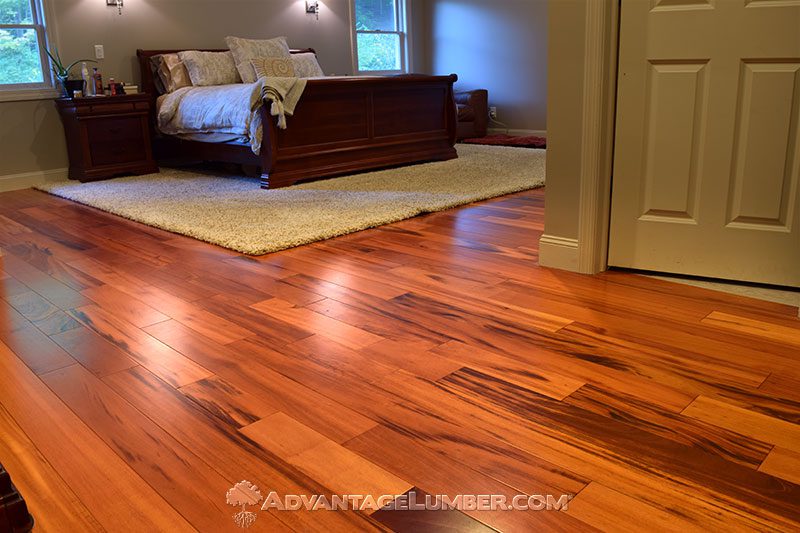
No matter if you choose solid or engineered hardwood, the species of the top wear layer is key to its performance—and that’s where the Janka hardness rating comes in. This scale measures a wood’s resistance to denting and wear by determining the force required to embed a steel ball into the wood. Ratings range from softwoods like pine (around 380) to ultra-hard exotics like Brazilian walnut (over 3,000).
Why does this matter? In high-traffic areas—think entryways, family rooms, or homes with pets and kids—a higher Janka rating (e.g., hickory at 1,820 or oak at 1,290) means better resistance to scratches, dents, and everyday abuse.
For engineered flooring, the Janka rating applies specifically to the veneer layer, so opt for thicker veneers in durable species for longevity. However, don’t rely solely on Janka scores; consider your lifestyle, finish type (e.g., polyurethane for extra protection), and maintenance habits. A softer wood like walnut (1,010) might suit a low-traffic bedroom perfectly.
At AdvantageLumber.com, we offer a wide selection of both solid and engineered hardwoods in various species with detailed Janka ratings to guide your pick. For instance, our exotic options like Tigerwood (Janka 2,160) provide exceptional hardness for demanding spaces.
Final Thoughts: Making the Right Choice for Your Home
Ultimately, the decision between engineered and solid hardwood boils down to your home’s environment, budget, and lifestyle needs. If you’re seeking timeless authenticity in a controlled setting, solid hardwood is unbeatable. For flexibility and resilience in modern or challenging spaces, engineered is the smart pick. Factor in the Janka rating to ensure your floors stand up to daily life, and you’ll enjoy beautiful, durable results for years to come.
Ready to explore? Browse our collection at AdvantageLumber.com for top-quality solid and engineered hardwood flooring, complete with expert advice and fast shipping. Contact our team today to find the perfect fit for your project!
