
When homeowners face the classic siding showdown—wood versus vinyl—the answer isn’t a simple “yes” or “no.” It depends on your priorities, budget, and the story you want your home to tell. Let’s break it down honestly, with real-world context, and explore why one might edge out the other depending on what you’re after.
The Practical Case for Vinyl (Why It’s Everywhere)
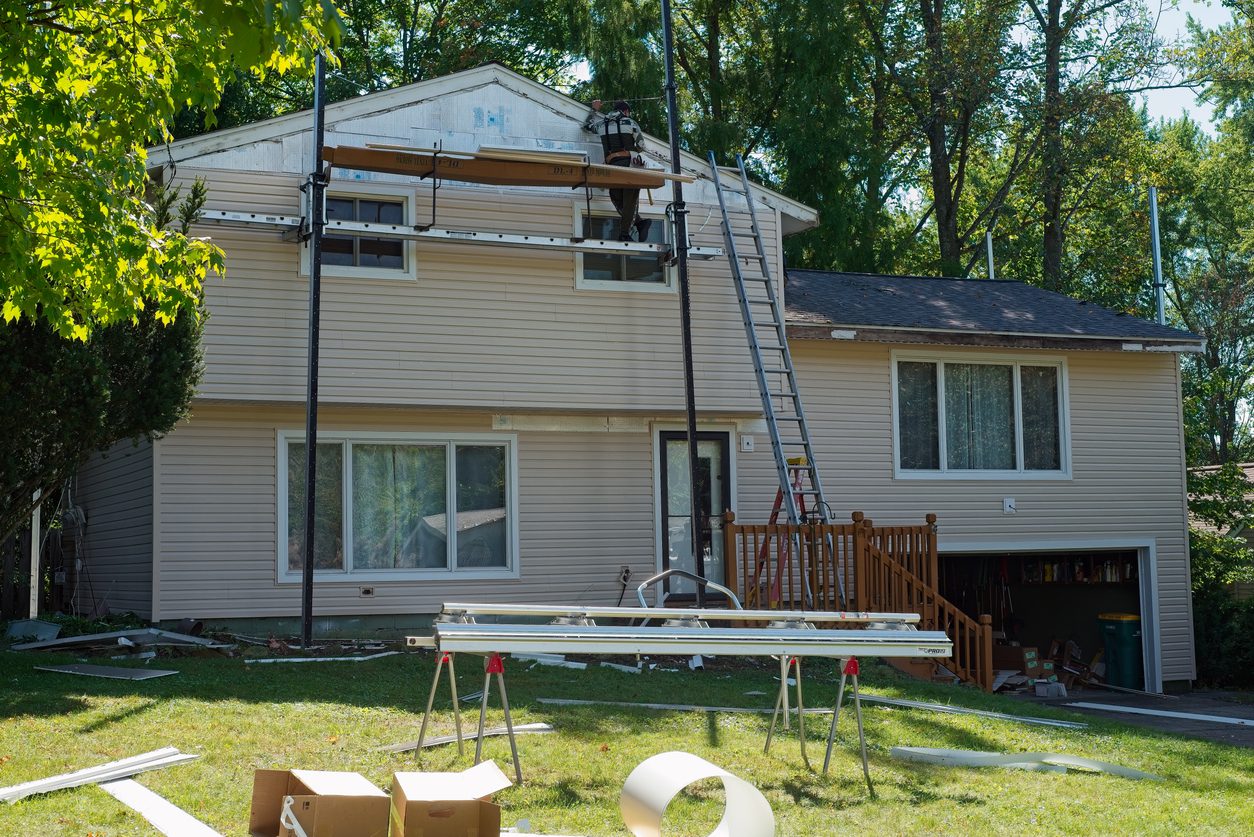
Vinyl siding dominates the American landscape for good reason: it’s the default choice on most U.S. homes. Walk through any suburb, and you’ll see why—it’s affordable, low-maintenance, and gets the job done.
- Cost-effective upfront: Vinyl runs $3–$12 per square foot installed, often half the price of quality wood.
- Zero painting: Factory-baked colors resist fading for decades.
- Minimal upkeep: Hose it off once a year. No sealing, no staining.
- Energy efficiency: Many panels include foam backing for better insulation.
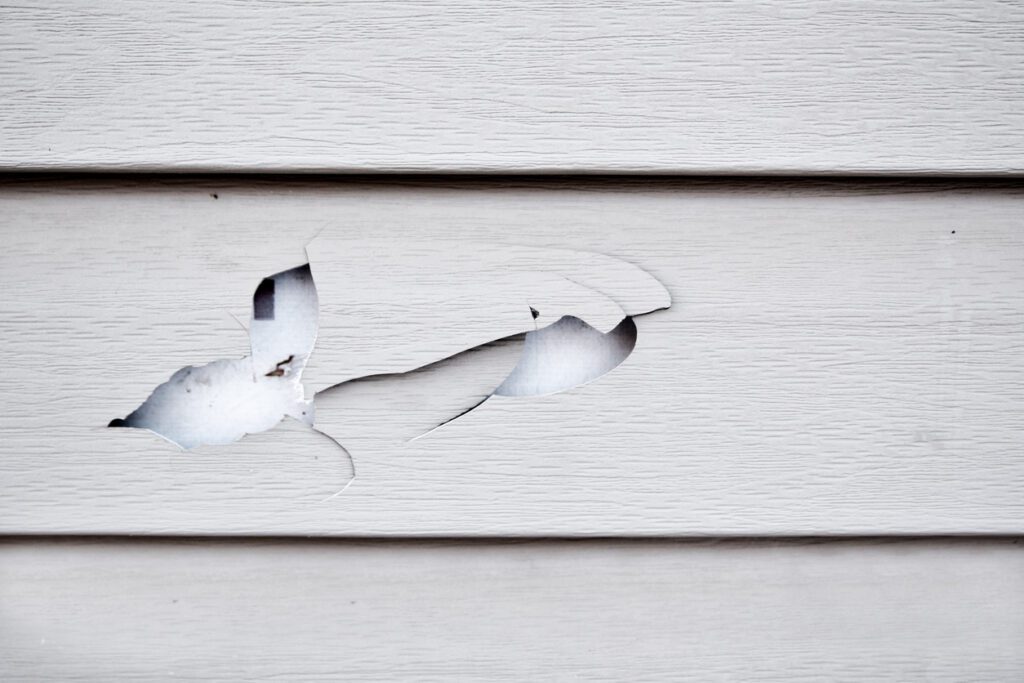
But here’s the trade-off: vinyl is the beige sedan of home exteriors. It blends in. It doesn’t turn heads. In a sea of similar-looking houses, vinyl offers zero curb appeal differentiation. If your goal is “good enough” and “set it and forget it,” vinyl wins on pure pragmatism. Vinyl siding can also get damaged easily if something shoots out of a lawn mower or kids hit it while playing ball, hail damage etc…
The Aesthetic Power of Wood (When You Want to Stand Out)
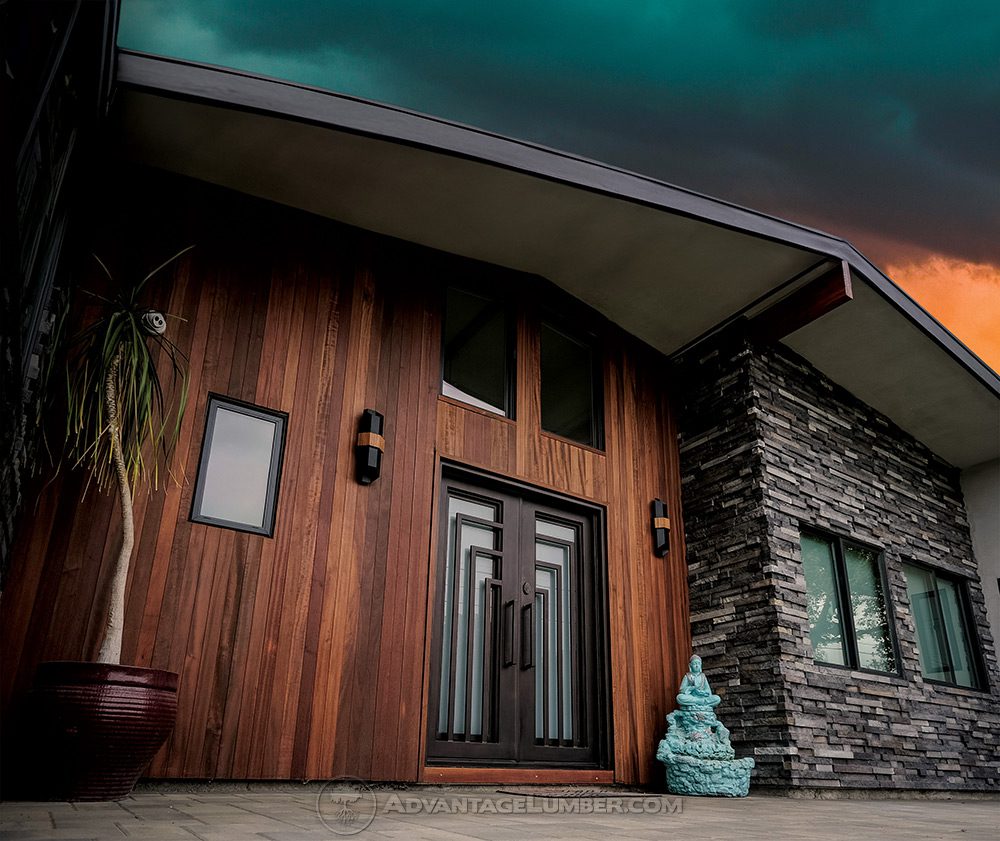
If you’re chasing character, warmth, and investment value, real wood siding—especially premium hardwoods—operates in a different league.
Why Hardwood Siding Elevates Curb Appeal
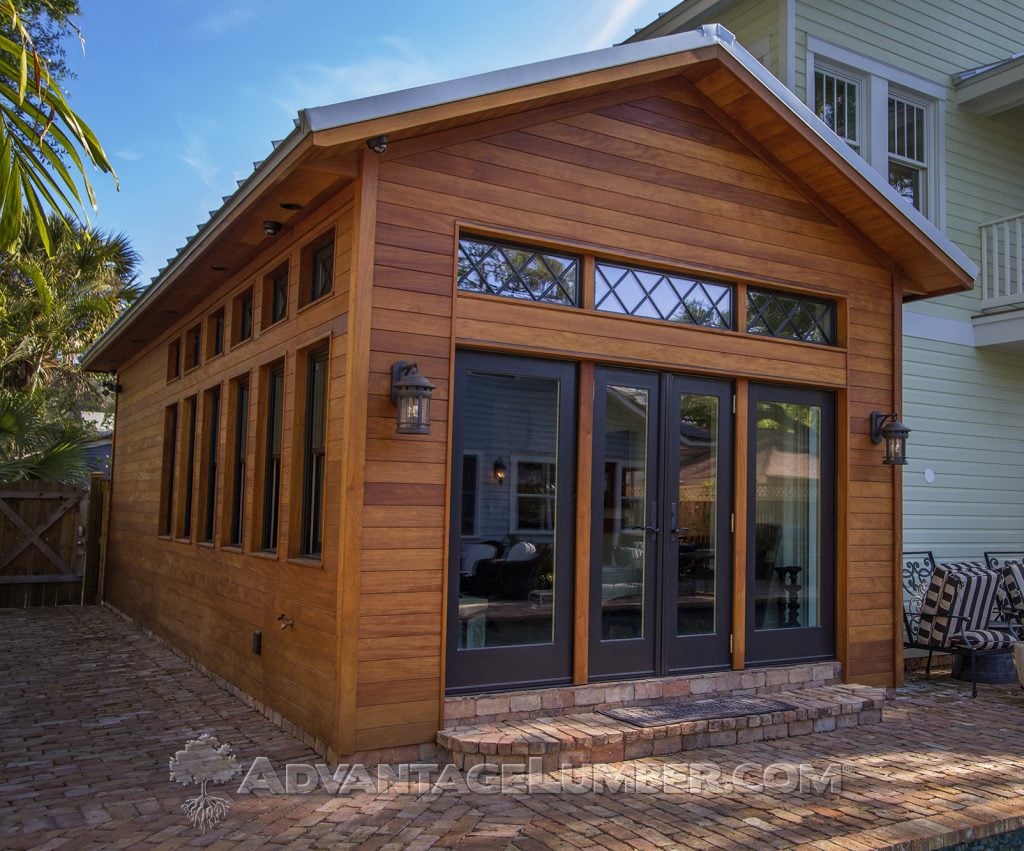
- Natural beauty: The grain, color variation, and texture of woods like Ipe, Cumaru, Tigerwood, Garapa, Mahogany, Teak, or thermally modified options create depth that vinyl can only mimic poorly.
- Aging with grace: Unlike vinyl’s plastic sheen, wood develops a silver patina (or maintains rich tones with oiling) that photographers drool over.
- Premium market signal: In high-end neighborhoods, wood siding reads “custom” and instantly. Real estate listings featuring Ipe or Mahogany exteriors command attention—and often higher offers.
The Maintenance Reality Check
Let’s not sugarcoat it: wood requires commitment.
- Annual or biennial maintenance: Oiling for exotic hardwoods.
- Higher initial cost: $12–$25+ per square foot installed for premium hardwoods.
- Professional installation critical: Poor flashing or ventilation leads to rot.
But for the right homeowner, this isn’t a bug—it’s a feature. The ritual of maintaining Ipe’s chocolate-brown luster or watching Thermally modified Ash weather to driftwood gray becomes part of the home’s personality.
The Modern Compromise: Thermally Modified Wood
Can’t decide? Thermally modified wood splits the difference:
- Heat-treated domestic species (like ash or pine) gain added rot resistance.
- No chemicals—just heat and steam
- Stable, lightweight, and DIY-friendly
- Costs less than Ipe but looks more premium than vinyl
The Bottom Line: Match Siding to Your Vision
| Goal | Best Choice |
|---|---|
| Budget + zero maintenance | Vinyl |
| Maximum curb appeal + warmth | Premium hardwood |
| Durability + natural look (compromise) | Thermally modified wood |
Vinyl keeps the rain out. Wood makes the house feel like home.
If your street looks like every other street, and you’re tired of it—consider this your permission slip to go wood. Start with Ipe for bulletproof durability, Cumaru for rich red tones, or Thermally modified for responsible luxury. Your future self (and your neighbors) will thank you.
Ready to make the switch? Consult a siding specialist familiar with exotic hardwoods—they’ll help match species to your climate and maintenance tolerance.
