
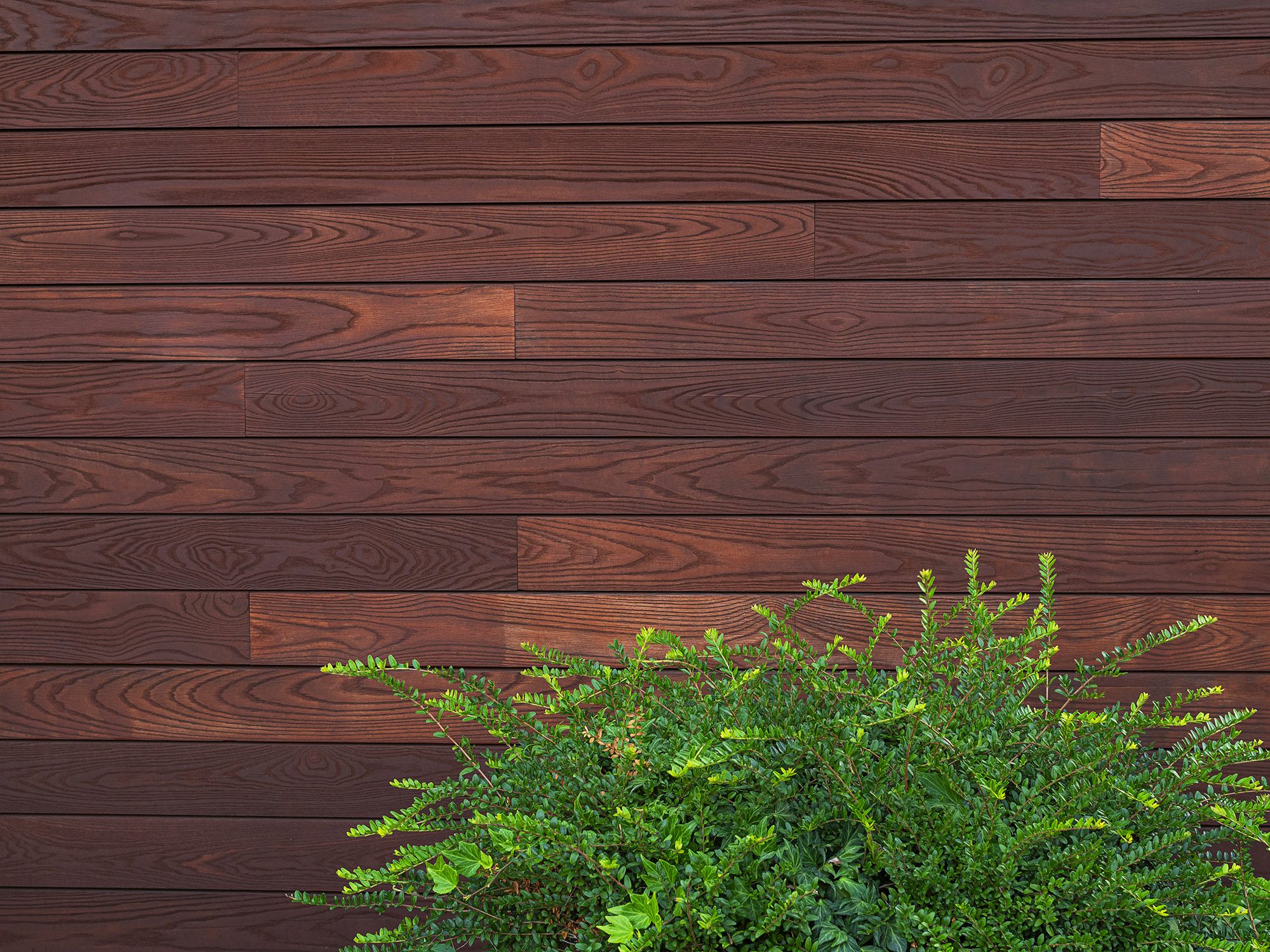
Thermally modified lumber has long been praised for its durability, stability, and eco-friendly properties, making it a standout choice for outdoor applications like decking, siding, and cladding. However, despite its advantages, widespread adoption has been hindered by high costs and limited accessibility.
At AdvantageLumber.com, we’re working to change that narrative by leveraging innovative practices to make thermally modified wood more affordable and accessible. But will this remarkable material ever become a mainstream choice for homeowners, builders, and DIYers? Let’s discuss the challenges, innovations, and potential for thermally modified lumber to break into widespread use.
The Historical Cost Barrier of Thermally Modified Wood
Thermally modified wood undergoes a specialized heat-treatment process that enhances its resistance to moisture, insects, and decay while improving dimensional stability without any chemical treatment. This process, however, has historically been expensive, limiting its appeal to niche markets. The cost challenges stem from several factors:
- Raw Material Costs: Thermally modified wood starts with high-quality raw lumber, such as Pine, Ash, Oak, Poplar, or other species. These woods are purchased at market prices, which can fluctuate based on availability and demand.
- Expensive Processing: The thermal modification process requires sophisticated equipment, such as autoclaves, to heat the wood to high temperatures in a controlled, oxygen-free environment. This energy-intensive process, combined with the need to address processing defects (e.g., warping or cracking), drives up production costs.
- Supply Chain Markups: After processing, thermally modified wood is typically shipped to retail lumber yards, where distributors and retailers add their markups—often 20-30% or more. These additional costs make the final product significantly more expensive for end users.
As a result, thermally modified wood has primarily been used in high-budget commercial projects or municipal applications, such as public boardwalks, parks, or architectural designs that specify its use for aesthetic and performance reasons. For the average homeowner or small-scale builder, the price has often been prohibitive, keeping thermally modified lumber out of the mainstream.
AdvantageLumber.com: Making Thermally Modified Wood Accessible
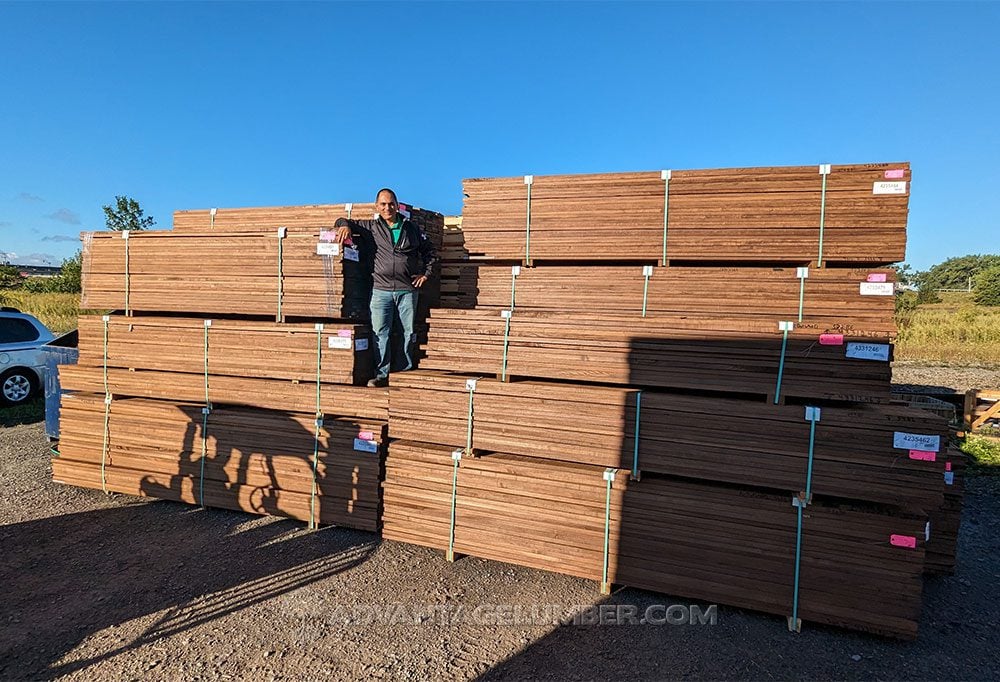
At AdvantageLumber.com, we’ve recognized the potential of thermally modified wood to revolutionize outdoor construction and design. By rethinking the traditional supply chain and manufacturing process, we’re breaking down the cost barriers that have limited its widespread use. Here’s how we’re making it happen:
- Factory-Direct Pricing: By cutting out the middleman, we eliminate the 20-30% markups typically applied by distributors and retail lumber yards. This direct-to-consumer model allows us to pass significant savings on to our customers, making thermally modified wood more affordable for homeowners, contractors, and DIY enthusiasts.
- Streamlined Manufacturing and Distribution: We’ve optimized our manufacturing processes to reduce waste and improve efficiency during thermal modification. Additionally, our strategic distribution network minimizes shipping costs, further lowering the price of our thermally modified wood products.
- High-Quality, Sustainable Sourcing: We source materials like Ash, Poplar, and Pine responsibly to ensure sustainability without inflating costs. This allows us to maintain competitive pricing while upholding our commitment to eco-friendly practices.
The result? Advantage Thermally Modified Wood offers the same premium quality—enhanced durability, resistance to rot, and stunning aesthetics—at a fraction of the traditional cost. This affordability opens the door for more homeowners and builders to incorporate thermally modified lumber into their projects, from backyard decks to modern home siding.
The Case for Widespread Adoption
With cost barriers diminishing, the question remains: will thermally modified lumber ever achieve widespread use? Several factors suggest it has the potential to become a go-to material in residential and commercial construction:
- Superior Performance: Thermally modified wood outperforms traditional treated lumber lumber in harsh outdoor environments. Its low moisture absorption and resistance to insects and decay make it ideal for decking, siding, and other exterior applications, reducing long-term maintenance costs.
- Sustainability Appeal: As consumers and builders prioritize eco-friendly materials, thermally modified wood stands out. The chemical-free heat-treatment process enhances the wood’s natural properties without harmful additives, aligning with green building trends.
- Aesthetic Versatility: Available in species like Ash, Pine, and Poplar, thermally modified wood offers rich, warm tones and consistent grain patterns that appeal to modern design sensibilities. Its ability to take stains and finishes well makes it a favorite for architects and designers.
- Cost Savings Over Time: While the upfront cost of thermally modified wood may still be higher than untreated softwoods, its longevity and low maintenance requirements translate to significant savings over the life of a project.
Challenges to Overcome
Despite these advantages, a few hurdles remain for thermally modified lumber to achieve mass-market appeal:
- Awareness and Education: Many consumers and builders are unfamiliar with thermally modified wood and its benefits. Increased education through blogs, videos, tutorials, and project showcases can help bridge this gap.
- Initial Cost Perception: Even with cost reductions, thermally modified wood may still be perceived as a premium product compared to pressure-treated lumber or composites. Highlighting its long-term value is key to shifting this mindset.
- Scaling Production: To meet growing demand, manufacturers must continue investing in efficient production methods and larger-scale facilities without compromising quality.
The Future of Thermally Modified Lumber
At AdvantageLumber.com, we believe thermally modified wood is on the cusp of broader adoption. By offering factory-direct pricing and streamlining our supply chain, we’re making this durable, sustainable material accessible to a wider audience. As more homeowners and builders discover its benefits—lower maintenance, exceptional longevity, and eco-friendly credentials—thermally modified lumber could become a standard choice for outdoor projects.
The shift is already happening. With innovative companies like AdvantageLumber.com leading the way, thermally modified wood is no longer just for high-end commercial or municipal projects. It’s becoming a viable option for decks, siding, and cladding in homes across the country. As awareness grows and costs continue to decrease, we’re confident that thermally modified lumber will move from a niche product to a mainstream staple in the lumber industry.
Ready to Try Thermally Modified Wood?
If you’re considering thermally modified wood for your next project, AdvantageLumber.com offers a wide selection of high-quality, factory-direct options at unbeatable prices. Explore our thermally modified Ash, Pine, Poplar, and more to discover how this innovative material can elevate your deck, siding, or outdoor structure. Visit AdvantageLumber.com today to browse our inventory, request a quote, or learn more about the benefits of thermally modified wood.
Will thermally modified lumber ever enter widespread use? With cost barriers falling and demand for sustainable, durable materials rising, the answer is a resounding yes—and AdvantageLumber.com is proud to be at the forefront of this transformation as we see more homeowners purchasing thermally modified wood now.
