
In an era where outdoor living spaces are extensions of our homes, a wood privacy fence stands out as a timeless choice. Not only does it provide seclusion from prying eyes, but it also enhances security, adds aesthetic charm, and can even boost your property’s value. While softwoods like cedar or pine have their place, opting for hardwoods elevates these benefits to new heights.
In this blog post, we’ll explore the general advantages of wood privacy fences and dive deep into the world of exotic hardwoods such as Teak, Ipe, Cumaru, Garapa, Tigerwood, Brazilian Redwood, Mahogany, and Thermally Modified Teak. These premium materials offer unmatched durability, natural resistance to the elements, and stunning visuals that make them ideal for long-lasting fences.
Why Choose a Wood Privacy Fence?
Wood privacy fences have been a staple in backyards for generations, and for good reason. Unlike metal or vinyl alternatives, wood brings a warm, natural feel that blends seamlessly with landscapes. Here are some key benefits:
- Enhanced Privacy and Security: A tall wood fence creates a private oasis, shielding your yard from neighbors and passersby. It also acts as a deterrent to intruders, providing peace of mind for families with children or pets.
- Aesthetic Appeal: Wood fences can be customized in styles like vertical, horizontal, or lattice designs. They add curb appeal and can complement any architectural style, from modern to rustic.
- Noise and Wind Reduction: The solid structure helps buffer street noise and strong winds, making your outdoor space more enjoyable.
- Eco-Friendly Option: Sustainably sourced wood is renewable, and many hardwoods come from managed plantations or certified forests, reducing environmental impact.
- Property Value Boost: A well-maintained wood fence can increase your home’s resale value by creating defined boundaries and usable outdoor areas.
While these perks apply to most wood fences, the real game-changer is using hardwoods. These dense, resilient woods outperform softer varieties in longevity and resilience, especially in harsh climates.
The Superiority of Hardwoods for Privacy Fences
Hardwoods, particularly tropical varieties, are prized for their inherent qualities that make them perfect for outdoor applications like fences. Unlike softwoods that may warp, splinter, or require frequent treatments, hardwoods offer:
- Exceptional Durability: They resist rot, decay, insects, and weathering without chemical preservatives, lasting decades even in extreme conditions like humidity, rain, or UV exposure.
- Low Maintenance: Natural oils in these woods provide built-in protection, meaning less staining or sealing. A simple annual cleaning often suffices.
- Fire and Scratch Resistance: Many hardwoods have high density, earning top fire ratings and resisting scratches or dents better than softer woods.
- Sustainability: Options like plantation-grown Teak or FSC-certified species ensure ethical sourcing.
- Versatility: From rich browns to golden hues, hardwoods provide diverse colors and grains that age gracefully, often developing a silvery patina over time.
For privacy fences, hardwoods shine in horizontal designs, which are gaining popularity for their modern look and strength. Now, let’s spotlight the specific hardwoods mentioned.
Spotlight on Exotic Hardwoods: A Comparison
Each of these hardwoods brings unique attributes to a privacy fence. Below is a comparison table based on key factors like hardness (Janka scale), lifespan, color, and approximate price per linear foot (starting estimates; actual costs vary by supplier and location).
| Hardwood | Janka Hardness (lbs) | Lifespan (Years) | Color/Appearance | Key Benefits | Approx. Price/Linear Ft |
|---|---|---|---|---|---|
| Teak | 1,070 | 30+ | Golden-brown, darkens with age | Lightweight, rot-resistant, eco-friendly (plantation-grown) | $2.27 |
| Ipe (Brazilian Walnut) | 3,680 | 40–75+ | Deep brown with red/amber hues | Ultra-durable, insect-proof, low-maintenance, fire-resistant | $6.97 |
| Cumaru (Brazilian Teak) | 3,540 | 40–50 | Reddish-brown with dark grains | Affordable alternative to Ipe, decay-resistant, beautiful grain | $4.00 |
| Garapa (Brazilian Ash) | 1,210 | 30+ | Golden-yellow, silvers over time | Scratch-resistant, smooth finish, budget-friendly | $3.19 |
| Tigerwood (Brazilian Koa) | 2,160–2,170 | 25–40+ | Reddish-orange with black stripes | Unique tiger-like pattern, stable in various climates, eco-friendly | $2.75 |
| Brazilian Redwood (Massaranduba) | 3,190 | 30–50 | Deep red-brown | Extremely dense, water-repellent, stable with minimal warping | $3.39 |
| Mahogany | ~2,200 (varies) | 25–30 | Reddish-brown, ages to silver | Classic elegance, rot-resistant, versatile for staining | $3.06 |
| Thermally Modified Ash | Enhanced from base Ash | 30+ | Similar to Ash, more stable | Improved dimensional stability, eco-friendly process, insect-resistant | $4.50 |
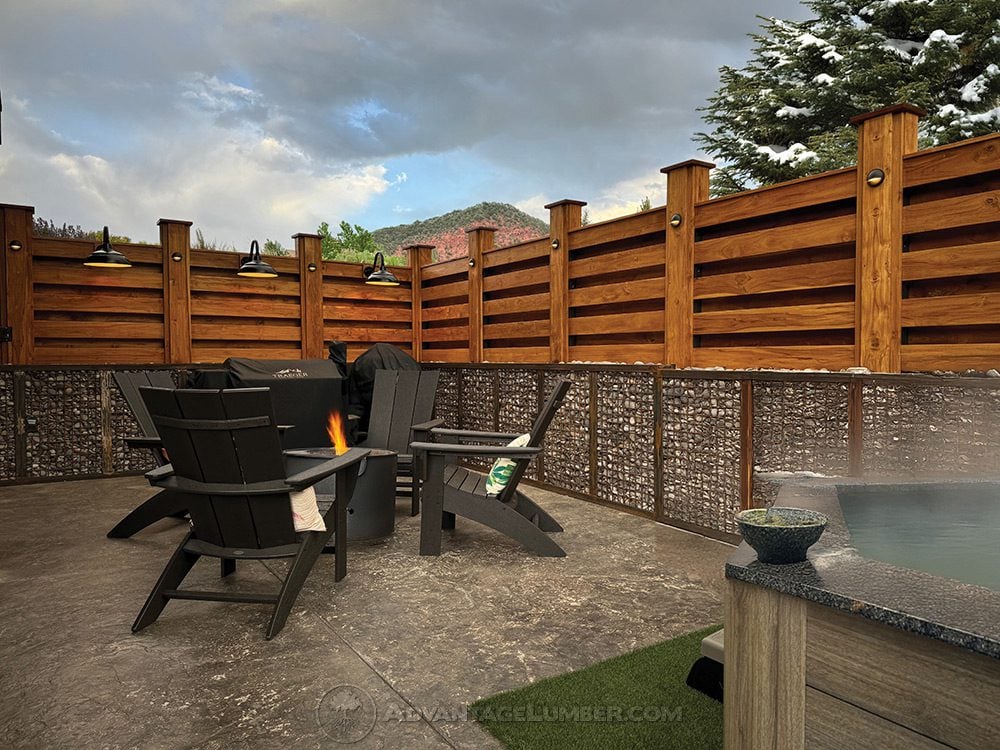
Teak
Teak is a classic choice for its golden-brown hue and natural oils that repel water and pests. It’s lighter than many hardwoods, making installation easier, and plantation-grown options ensure sustainability. Ideal for coastal areas, it withstands humidity without warping.
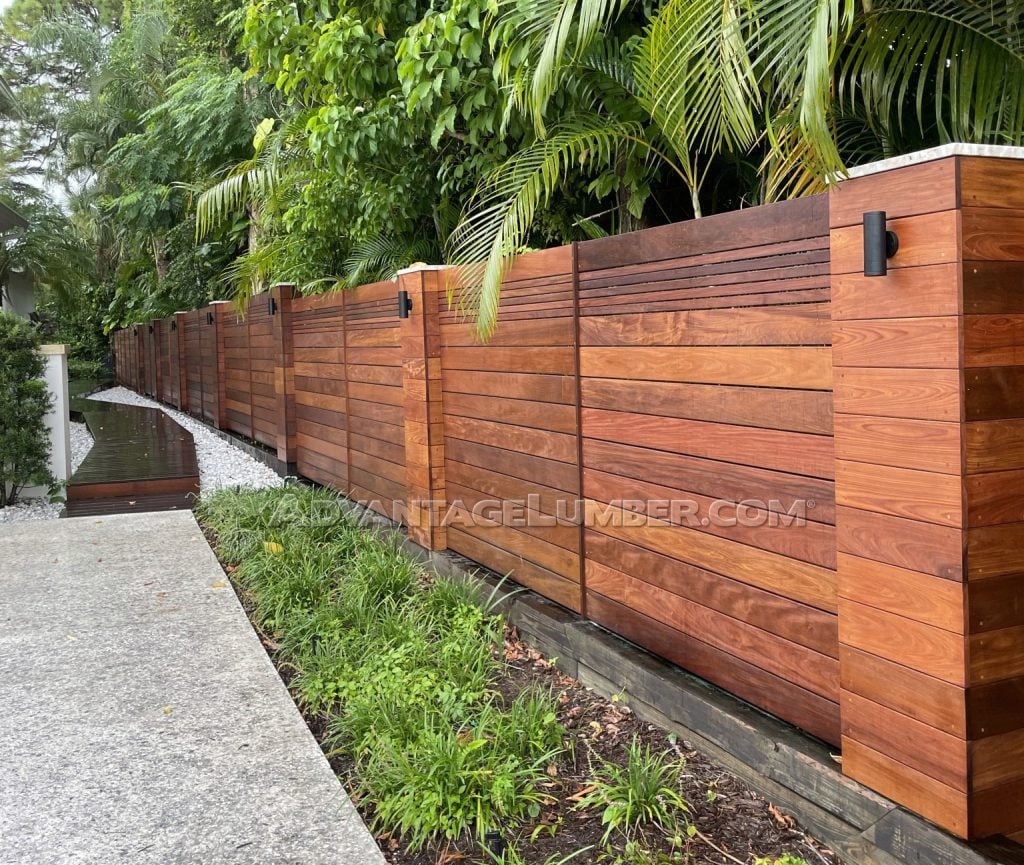
Ipe
Often called the “gold standard,” Ipe’s density makes it nearly indestructible. It resists everything from termites to fire, lasting up to 75 years with minimal care. Its rich color adds sophistication to any fence.
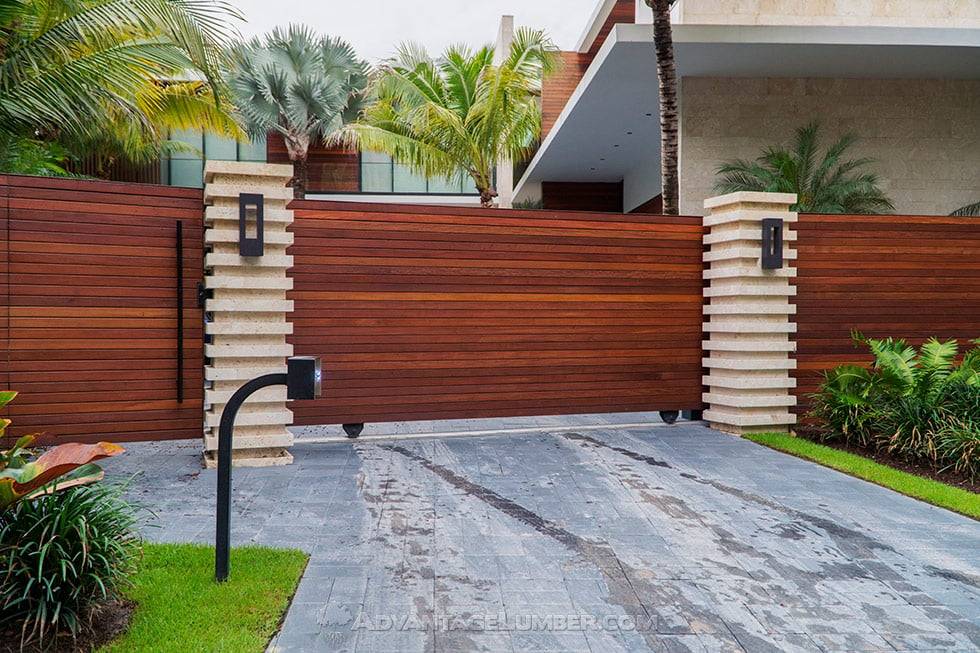
Cumaru
A cost-effective rival to Ipe, Cumaru offers similar strength and a warm reddish tone. It’s naturally resistant to decay and ages gracefully, making it perfect for budget-conscious homeowners seeking longevity.
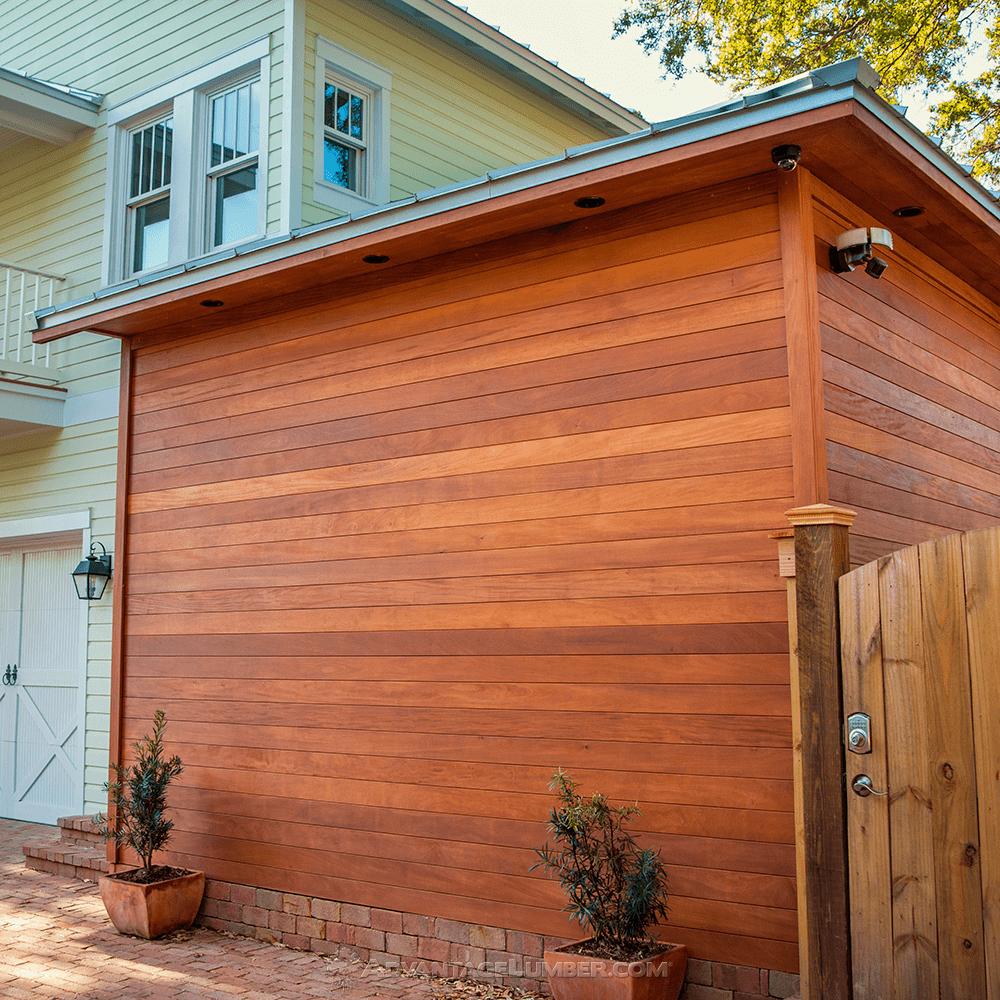
Garapa
With its light golden color, Garapa provides a brighter aesthetic that resists fading and scratches. It’s an affordable, low-maintenance option that performs well in wet climates.
Tigerwood
Tigerwood’s bold stripes create a dramatic, exotic look. Durable and stable across climates, it’s a standout for those wanting a unique fence that lasts 25+ years.
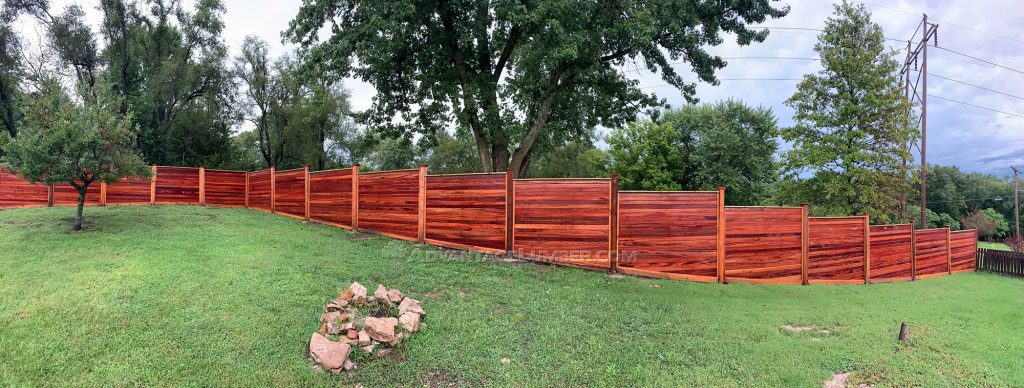
Brazilian Redwood
This dense wood excels in water resistance, making it great for rainy regions. Its deep red color mimics mahogany but with superior stability and a 30–50 year lifespan.
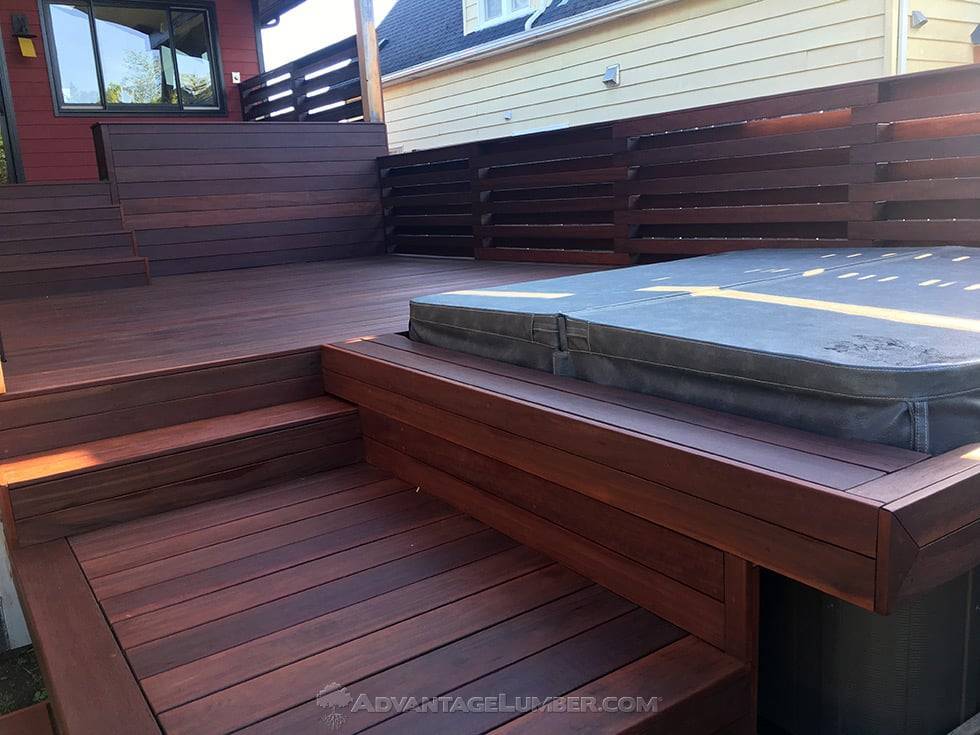
Mahogany
Known for its timeless elegance, Mahogany offers good rot resistance and a reddish hue that can be stained for customization. It’s versatile but benefits from occasional sealing.
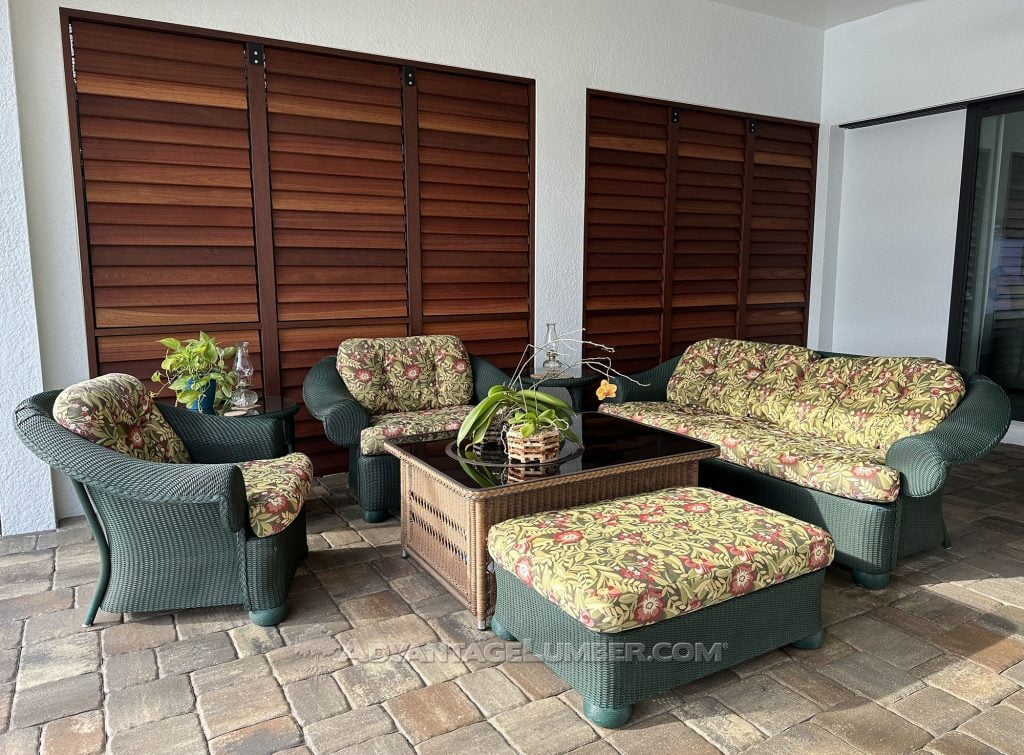
Thermally Modified Ash
This enhanced version of White Ash undergoes heat treatment for better stability and resistance to rot. It’s eco-friendly and ideal for variable weather, extending the wood’s natural benefits.
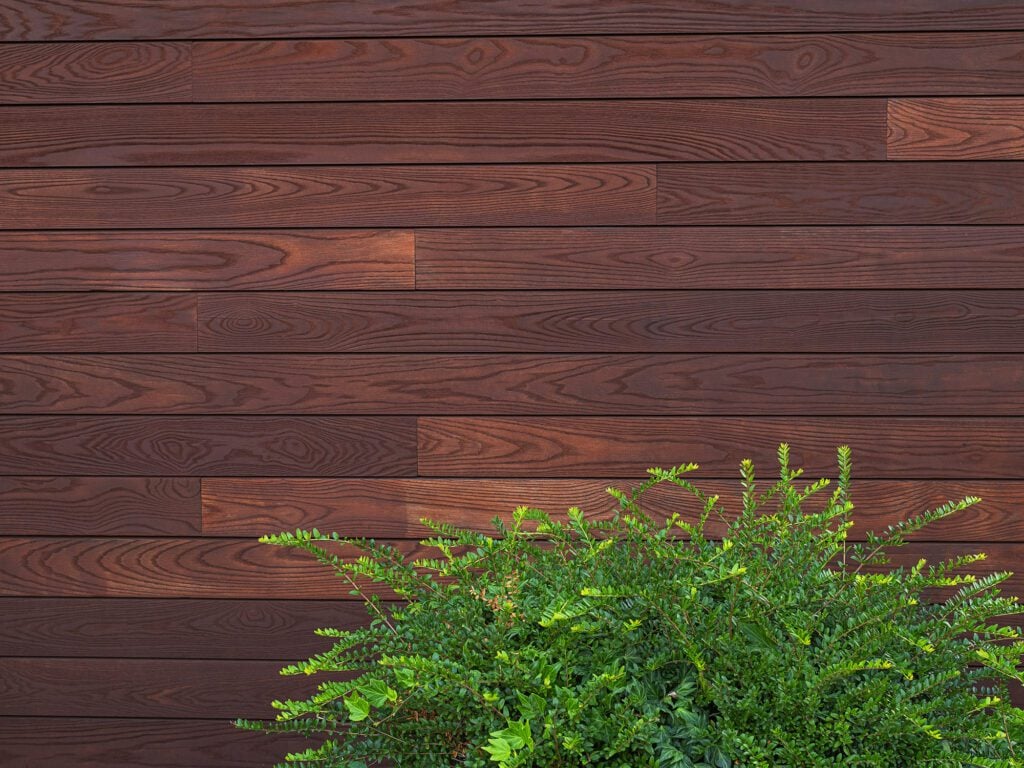
Maintenance and Installation Tips
To maximize your hardwood privacy fence’s lifespan:
- Installation: Use carbide tools for cutting due to density; ensure proper drainage to avoid water pooling. Hire professionals for heavy materials.
- Maintenance: Clean annually with mild soap; apply Ipe oil or WiseCoat if desired to preserve color. Avoid pressure washing to prevent damage.
- Sustainability Check: Look for FSC certification to ensure responsible sourcing.
Conclusion: Invest in a Lasting Legacy
A wood privacy fence made from exotic hardwoods like Teak, Ipe, and the others isn’t just a boundary—it’s an investment in beauty, durability, and tranquility. Whether you prioritize longevity (like Ipe’s 75+ years) or unique aesthetics (Tigerwood’s stripes), these materials deliver benefits that outshine alternatives. If you’re planning a fence project, visit AdvantageLumber.com to buy these beautiful hardwoods direct and have them shipped to your home or job site.
