
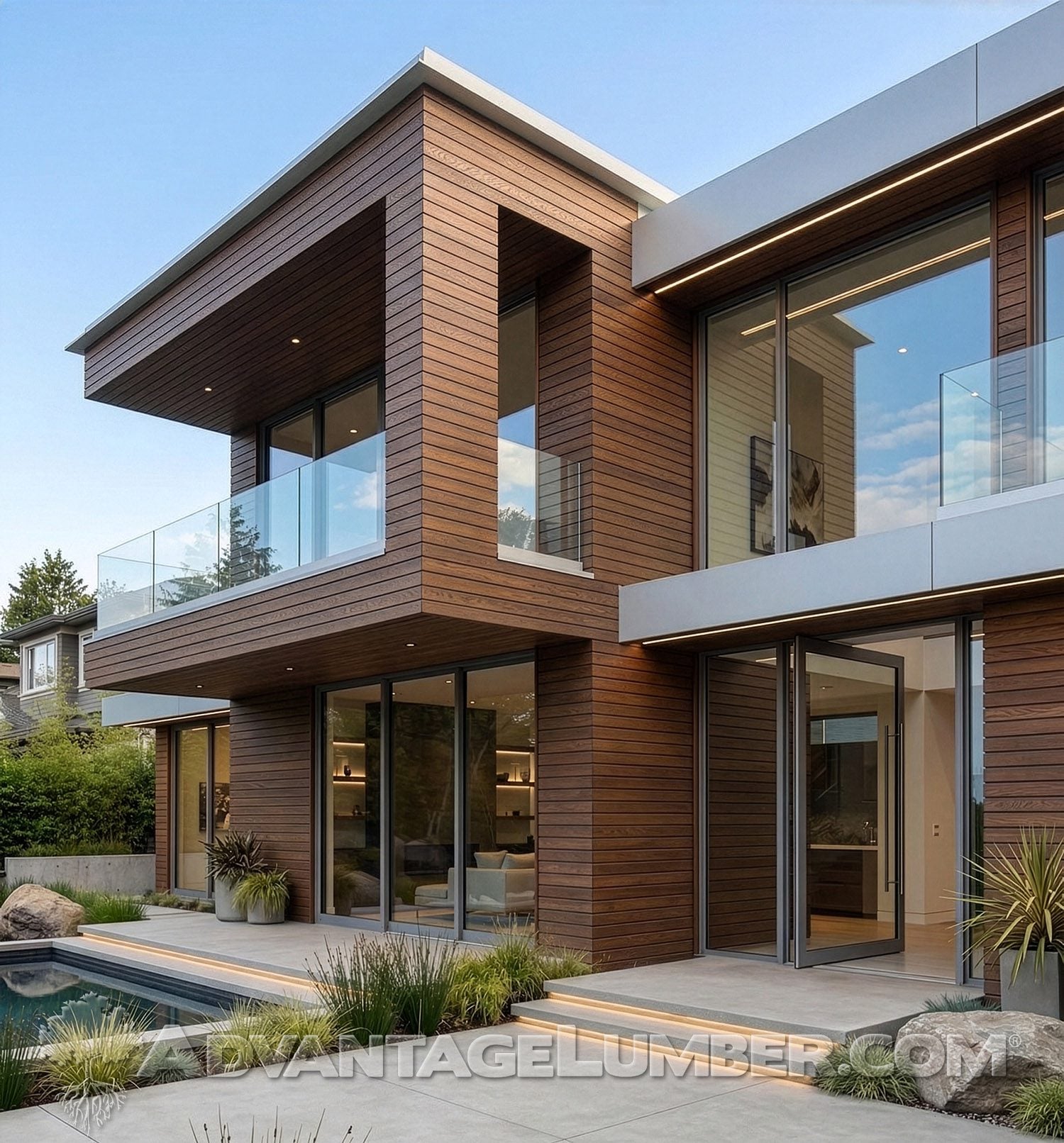
When choosing exterior cladding, appearance is only part of the equation. The best wood species for exterior cladding must also stand up to moisture, UV exposure, insects, and changing weather conditions while maintaining their beauty for years to come.
For most projects, the top choices are Ipe, Cumaru, Accoya®, Thermally Modified Ash, and Western Red Cedar. These species and modified wood products offer an excellent combination of durability, stability, appearance, and long-term value.
Whether you’re designing a modern home, updating a commercial building, or creating a warm natural exterior, selecting the right cladding material can have a significant impact on both performance and curb appeal.
What Makes a Good Exterior Cladding Material?
Not all wood species are suitable for exterior applications. The best cladding materials share several important characteristics:
- Resistance to rot and decay
- Protection against insects
- Dimensional stability
- Long service life
- Low maintenance requirements
- Attractive grain patterns and natural color variation
- Ability to withstand harsh weather conditions
Many hardwood species naturally contain oils and dense grain structures that help protect them from moisture and environmental wear. Modified wood products take a different approach, using specialized treatment processes to improve stability and durability without chemical preservatives.
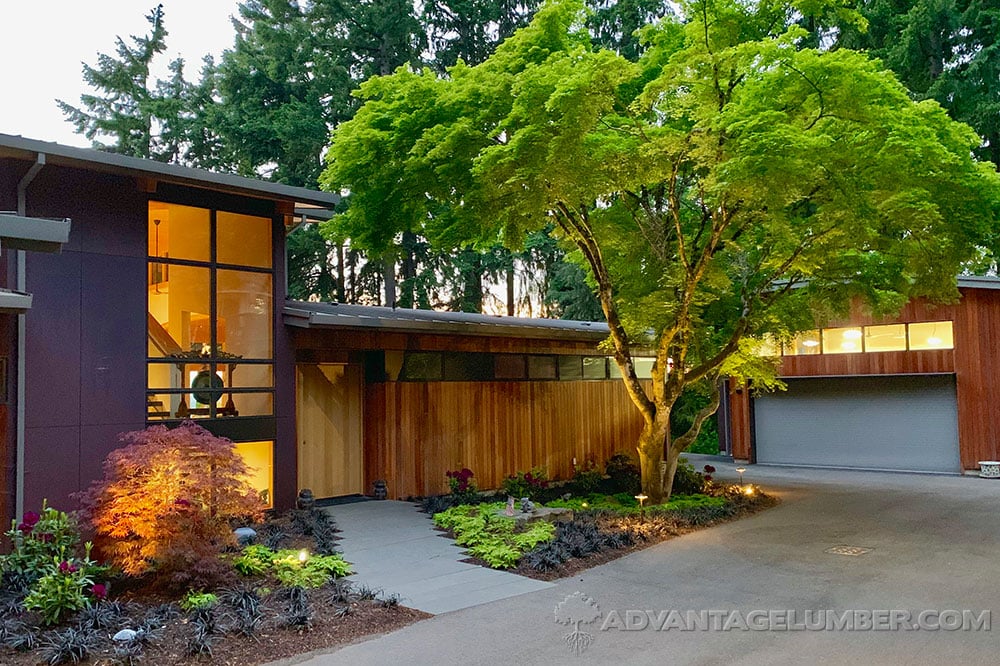
Ipe: Best Overall for Durability
When it comes to long-term performance, few materials can match Ipe.
Known for its exceptional density and natural resistance to rot, insects, and moisture, Ipe has become one of the most trusted hardwoods for exterior applications. Its rich brown coloring and fine grain create a sophisticated appearance that complements both traditional and contemporary architecture.
With a Janka hardness rating of approximately 3,680 pounds-force, Ipe is one of the hardest commercially available wood species. Its exceptional density contributes to its outstanding resistance to wear, moisture, insects, and decay.
Benefits of Ipe cladding include:
- Exceptional durability
- Natural resistance to decay and insects
- Long service life
- Excellent weather resistance
- Premium appearance
For homeowners and builders looking for maximum longevity, Ipe is often considered the benchmark for exterior hardwood cladding.
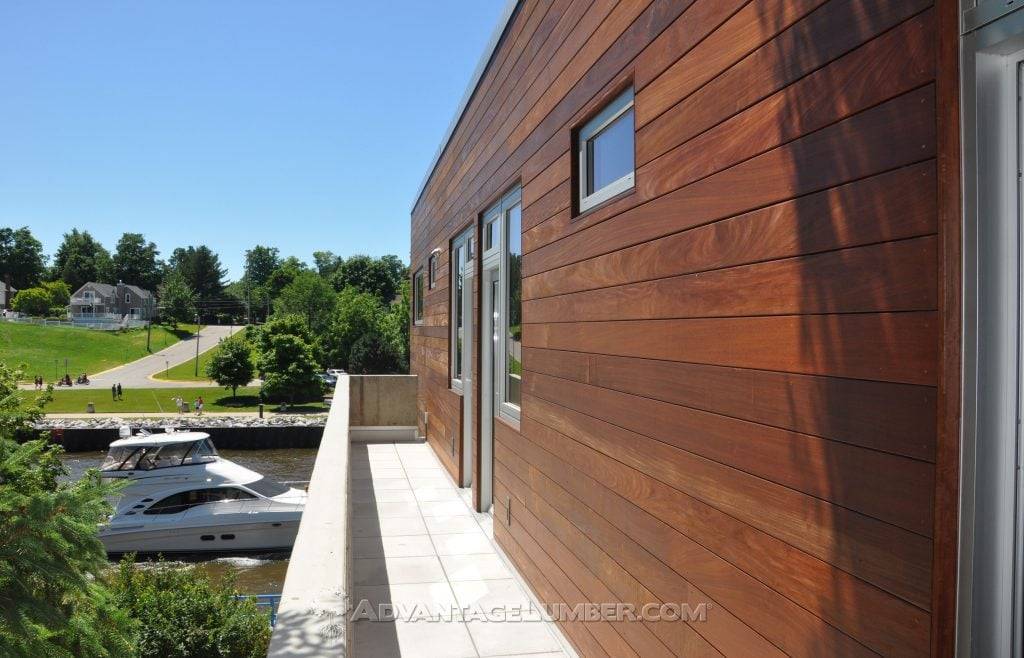
Cumaru: Best Value Hardwood
Cumaru is frequently compared to Ipe because it offers similar durability and weather resistance at a more budget-friendly price point.
Its warm golden-brown tones and attractive grain patterns make it a popular choice for both residential and commercial projects. Like Ipe, Cumaru is extremely dense and naturally resistant to decay and insect damage.
Cumaru features a Janka hardness rating of approximately 3,540 pounds-force, making it one of the most durable hardwoods available for exterior applications.
Benefits of Cumaru cladding include:
- Excellent durability
- High resistance to moisture and insects
- Attractive natural coloring
- Long lifespan
- Outstanding value
For those seeking premium hardwood performance without stretching the budget, Cumaru is often one of the best choices available.
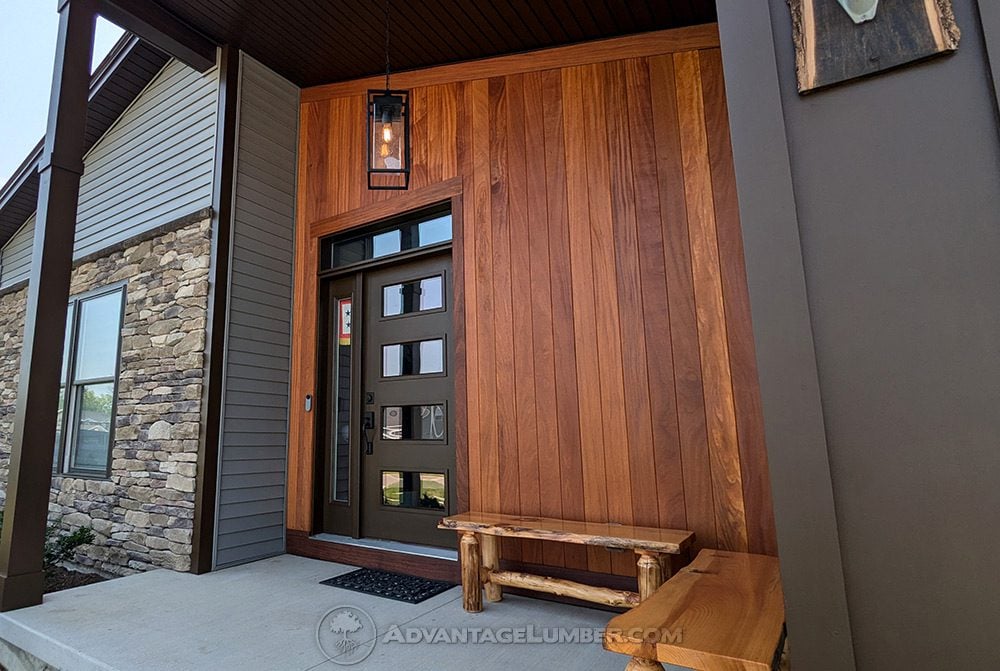
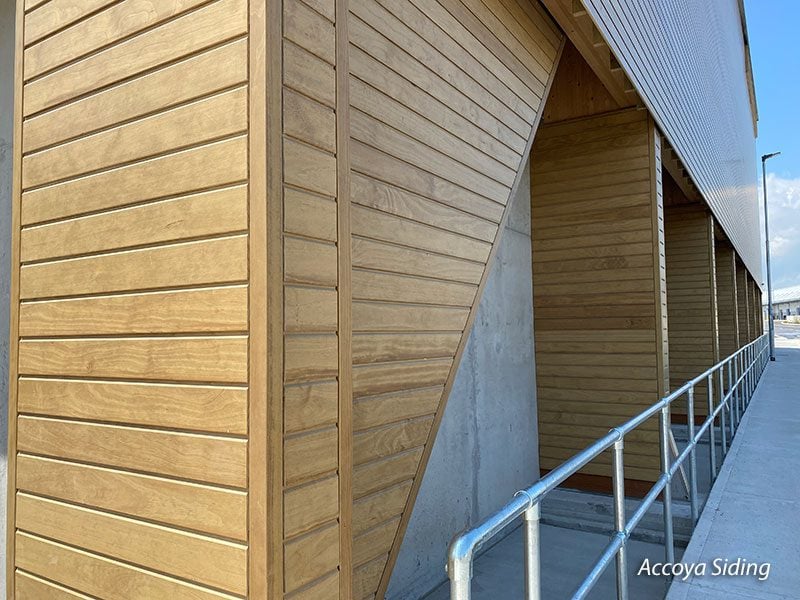
Accoya®: Best for Stability
Exterior cladding experiences constant expansion and contraction as temperatures and humidity levels change throughout the year.
Accoya addresses this challenge through a proprietary modification process that significantly improves dimensional stability. The result is a wood product that resists swelling, shrinking, and warping far better than many traditional wood species.
Benefits of Accoya cladding include:
- Exceptional dimensional stability
- Improved resistance to rot and decay
- Reduced movement over time
- Excellent coating performance
- Long-term durability
Architects and designers often choose Accoya for projects where clean lines, tight joints, and consistent performance are critical.
Thermally Modified Ash: Best Modern Alternative
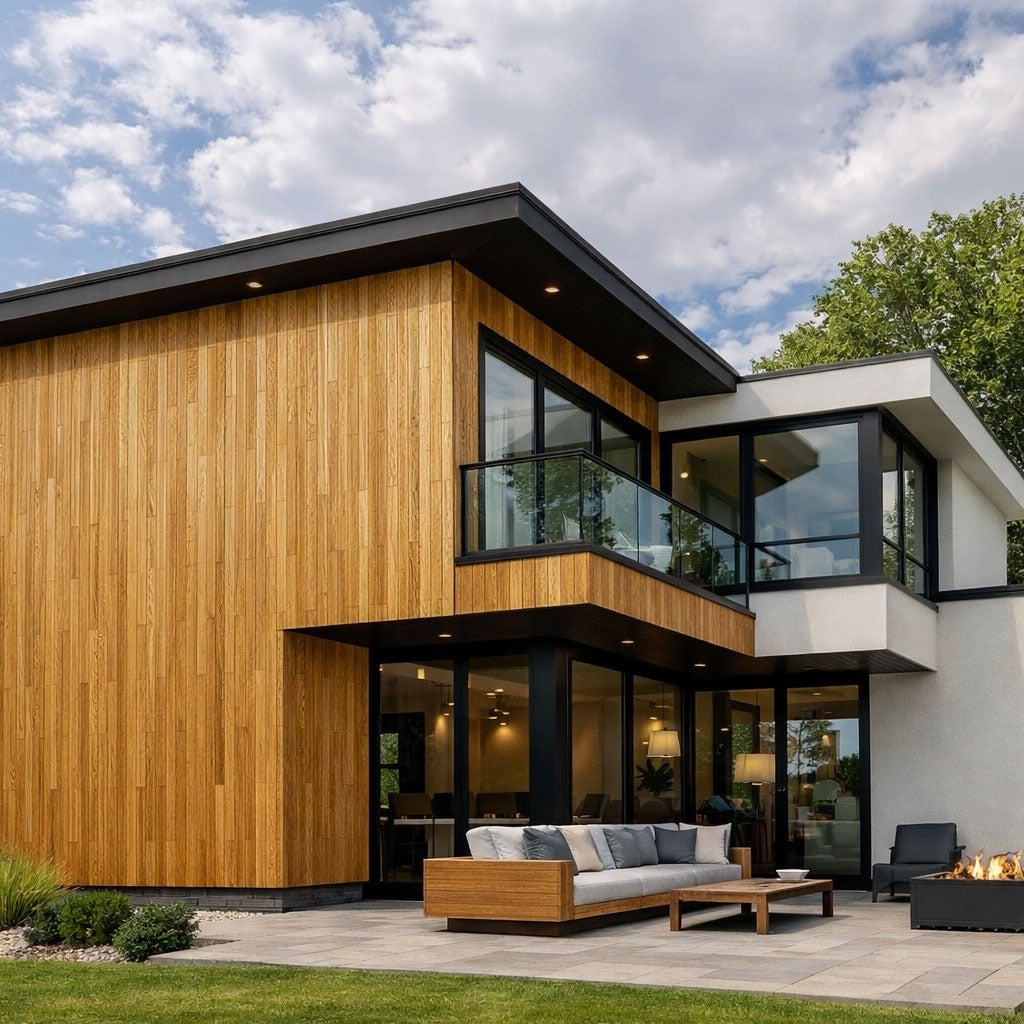
Thermally Modified Ash has become increasingly popular among homeowners, architects, and builders looking for a sustainable, high-performance cladding option.
During the thermal modification process, the wood is heated in a controlled environment to improve stability and increase resistance to moisture and decay. The process enhances the wood’s performance while preserving the natural beauty and character of real wood.
Benefits of Thermally Modified Ash include:
- Improved dimensional stability
- Enhanced durability
- Reduced moisture absorption
- Beautiful natural appearance
- No chemical preservatives required
Its modern aesthetic and reliable performance make it a strong choice for contemporary homes and commercial buildings.
Western Red Cedar: Best Traditional Choice
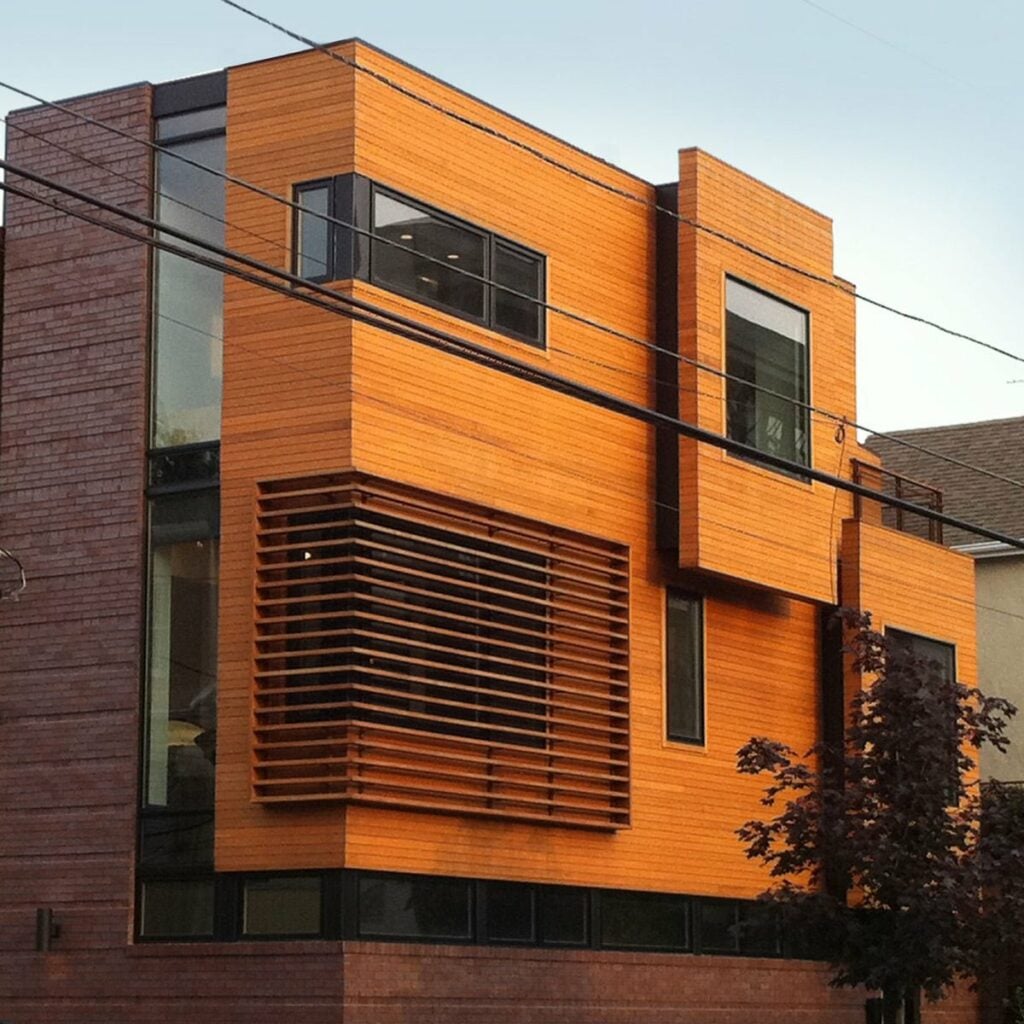
Western Red Cedar has been used for exterior siding for generations, and for good reason.
Its natural oils provide resistance to moisture and decay, while its lighter weight makes it easier to work with than many hardwood species. Cedar’s warm appearance and timeless character continue to make it a favorite among homeowners seeking a classic look.
Benefits of Western Red Cedar include:
- Natural decay resistance
- Lightweight and easy to work with
- Traditional appearance
- Proven performance history
- Distinctive grain and color variation
While it may require more maintenance than some hardwood and modified wood options, Western Red Cedar remains one of the most recognized cladding materials in North America.
Why Homeowners Choose Real Wood Cladding
Wood cladding offers something that synthetic alternatives often struggle to replicate: authentic natural beauty.
Unlike vinyl or aluminum siding, genuine wood creates warmth, depth, and character through its unique grain patterns and natural color variation. Each board is distinct, helping create a one-of-a-kind exterior that improves curb appeal and complements a wide range of architectural styles.
Premium hardwood cladding also offers exceptional durability. Dense grain structures and natural oils help create a reliable barrier against the elements, while varied grain patterns can help conceal everyday dirt and wear.
When properly installed and maintained, quality wood cladding can provide decades of performance while aging gracefully over time.
Frequently Asked Questions
What is the most durable wood for exterior cladding?
Ipe is widely considered one of the most durable wood species available for exterior cladding due to its exceptional density, natural resistance to rot and insects, and long service life.
What wood siding lasts the longest?
Premium hardwoods such as Ipe and Cumaru, along with modified wood products like Accoya, are among the longest-lasting exterior cladding materials available.
Is hardwood better than cedar for siding?
Hardwoods generally offer greater density, durability, and longevity than cedar. However, Western Red Cedar remains popular because of its traditional appearance, lighter weight, and proven track record.
Does exterior wood cladding require maintenance?
All exterior wood products benefit from periodic cleaning and inspection. Depending on the species and desired appearance, some homeowners choose to apply finishes to help preserve the wood’s original color.
Are there other durable hardwood options besides Ipe and Cumaru?
Yes. Species such as Massaranduba, Teak, Tigerwood, and Garapa offer excellent durability and unique aesthetic characteristics. Depending on your project’s design goals, budget, and desired appearance, these hardwoods may also be worth considering.
Choosing the Right Cladding for Your Project
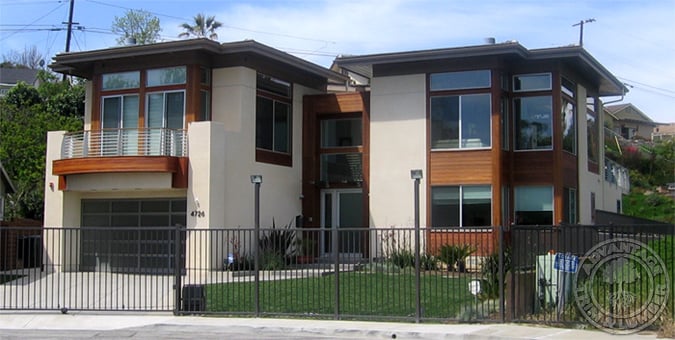
The best wood species for exterior cladding depends on your project’s goals, design preferences, and budget. Whether you prioritize the unmatched durability of Ipe, the value of Cumaru, the stability of Accoya, the modern appeal of Thermally Modified Ash, or the timeless character of Western Red Cedar, investing in quality materials can help ensure lasting beauty and performance.
Ready to upgrade your exterior? Explore Advantage Siding™ and discover premium hardwood, modified wood, and specialty cladding options designed to perform for decades.
