
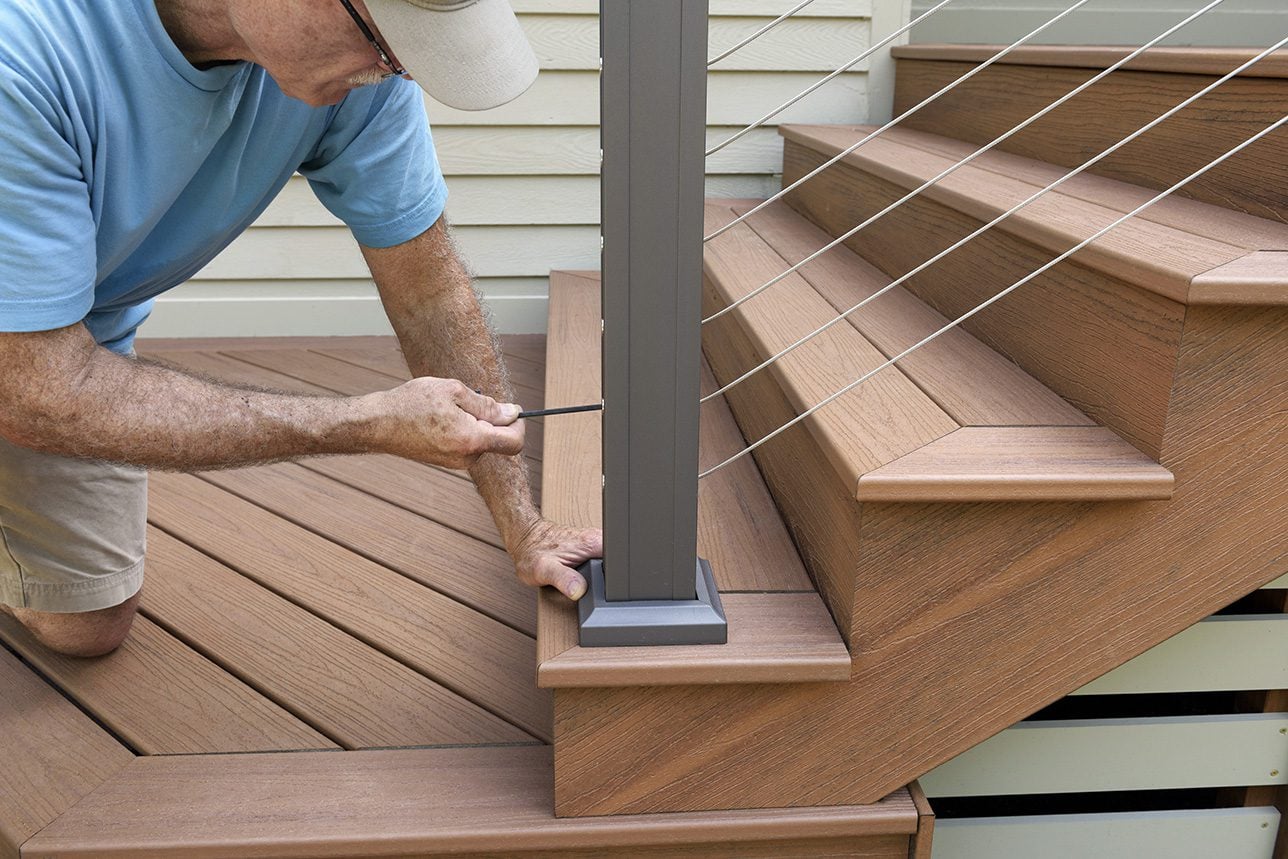
As winter fades and warmer weather rolls in, it’s the perfect time for a thorough Deck Inspection to get your deck ready for spring and summer use. Snow, ice, moisture, and freezing temperatures can take a serious toll on your deck—especially if it’s made from pressure-treated lumber or aging materials.
A thorough post-winter inspection can help you catch small issues before they become costly repairs or safety hazards. Below is a complete spring deck refresh checklist covering deck boards, stairs, railing, and the all-important framing.
1. Inspect Deck Boards for Damage & Wear
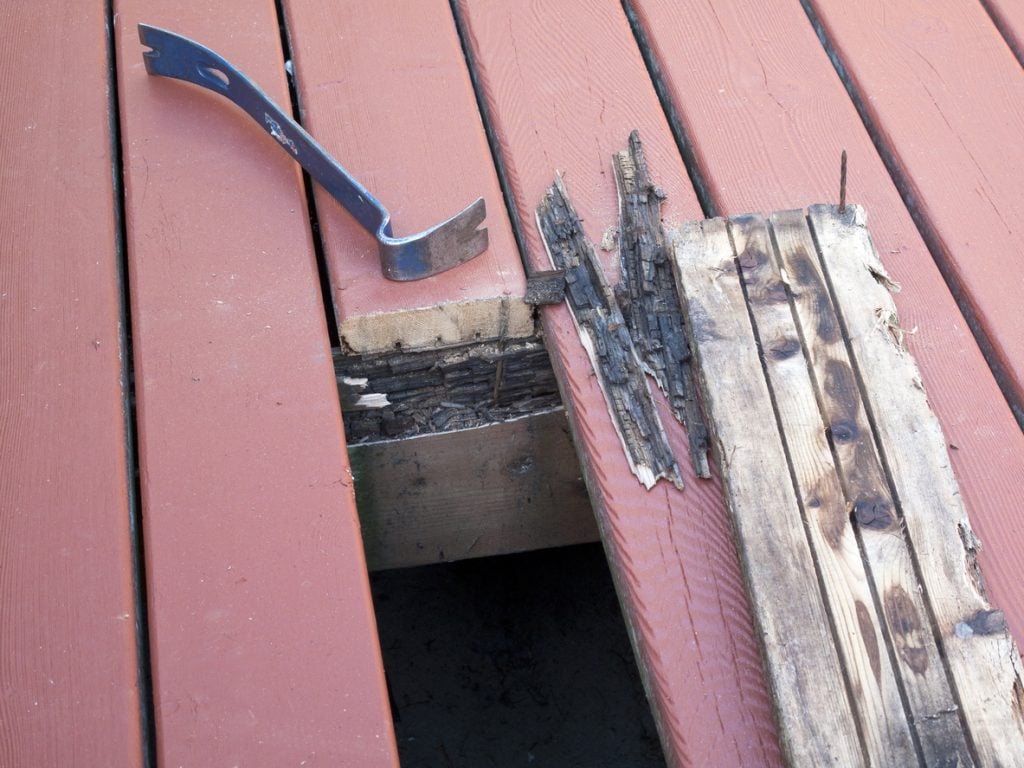
Your deck boards take the brunt of winter exposure. Ice, snow, and trapped moisture can lead to surface damage and structural issues.
What to Look For:
- Cracks and Splitting: Freeze-thaw cycles cause wood to expand and contract, leading to cracks.
- Warping or Cupping: Moisture absorption can distort boards, creating uneven surfaces.
- Soft Spots or Rot: Probe boards with a screwdriver—if it sinks easily, rot may be present.
- Loose or Popped Fasteners: Nails and screws can loosen over time, creating trip hazards.
- Surface Wear or Splinters: Especially common with older pressure-treated wood.
What to Do:
- Replace severely damaged boards immediately.
- Refasten loose boards with corrosion-resistant deck screws.
- Sand rough areas to remove splinters.
Upgrade Tip:
If multiple boards are failing, it may be time to resurface your deck with hardwood decking like Ipe, Cumaru, or Tigerwood. These dense hardwoods resist rot, insects, and harsh weather far better than traditional lumber.
2. Check Deck Stairs for Safety Issues
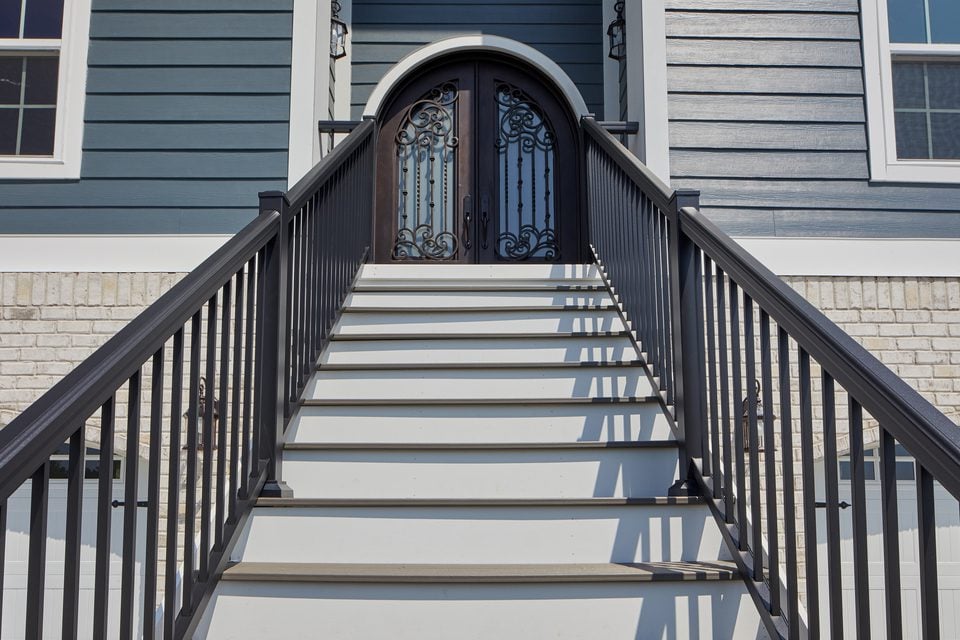
Deck stairs are one of the most used—and most dangerous—areas if not properly maintained.
What to Look For:
- Loose or Wobbly Steps: Movement indicates failing fasteners or stringers.
- Uneven Treads: Warped or sagging boards can create tripping hazards.
- Rotting Stringers: The structural backbone of your stairs—often overlooked.
- Cracked or Split Treads: Especially in high-traffic areas.
What to Do:
- Tighten or replace fasteners.
- Replace damaged treads or risers.
- Inspect and replace compromised stringers if needed.
Pro Tip:
Picture framing your stair treads with hardwood decking not only improves appearance but also protects vulnerable board ends from moisture intrusion.
3. Evaluate Deck Railing Stability & Condition
Your deck railing is a critical safety feature—especially for elevated decks.
What to Look For:
- Loose Posts: Grab the railing and apply pressure—any movement is a red flag.
- Wobbly Balusters or Panels: Indicates failing connections.
- Cracks or Rot in Wood Railings: Common after prolonged moisture exposure.
- Rust or Corrosion (Metal Railings): Can weaken structural integrity.
What to Do:
- Reinforce or replace loose posts.
- Tighten all hardware and connections.
- Replace any damaged railing components.
Upgrade Tip:
Many homeowners are switching to aluminum deck railing systems for their durability, low maintenance, and sleek appearance. Aluminum railings won’t rot, warp, or crack like wood.
4. Don’t Skip the Deck Framing Inspection
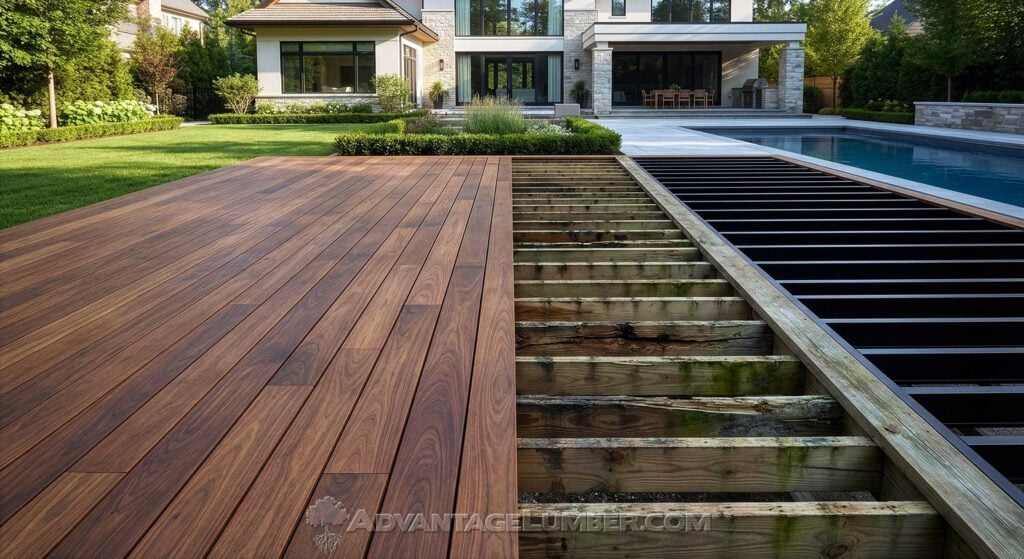
While deck boards and railings are visible, the framing underneath is what truly determines your deck’s safety.
What to Look For:
- Rot or Decay in Joists and Beams: Especially where moisture gets trapped.
- Ledger Board Issues: The connection between your deck and home is a common failure point.
- Loose or Rusted Hardware: Including joist hangers and fasteners.
- Sagging or Uneven Structure: Indicates possible structural failure.
What to Do:
- Replace any compromised framing members.
- Reinforce weak areas with proper hardware.
- Ensure all connectors are code-compliant and secure.
Important Note:
Deck collapses are often caused by framing failure—not the deck boards. If your frame is compromised, resurfacing alone is not enough.
Upgrade Tip:
Consider upgrading to steel or aluminum deck framing, which won’t rot, warp, or deteriorate like pressure-treated wood. These systems offer superior long-term performance and safety.
5. Clean & Protect Your Deck for the Season

Once repairs are complete, give your deck a fresh start.
Steps to Take:
- Sweep away debris and dirt.
- Clean the surface with a deck cleaner.
- Lightly sand if needed.
- Apply a high-quality sealer.
Recommended Product:
DeckWise WiseCoat® is a premium water-based sealer that penetrates wood, protects against moisture, and won’t peel or flake. It helps prevent cupping, warping, and splitting—common issues after winter.
Final Thoughts
A spring deck inspection isn’t just about appearance—it’s about safety. By checking your deck boards, stairs, railing, and framing, you can identify problems early and extend the life of your deck.
If your deck is showing signs of widespread wear, consider upgrading to long-lasting materials like hardwood decking, aluminum railing, and steel framing.
At AdvantageLumber.com, we offer premium decking materials and expert guidance to help you plan your project the right way—from start to finish.
Need Help With Your Deck Project?
AdvantageLumber.com offers free project estimating and planning to help you choose the right materials and ensure your deck is built to last. Whether you’re repairing, resurfacing, or starting fresh, our team is here to help.
Get started today and make your deck ready for a safe and beautiful outdoor season!
