
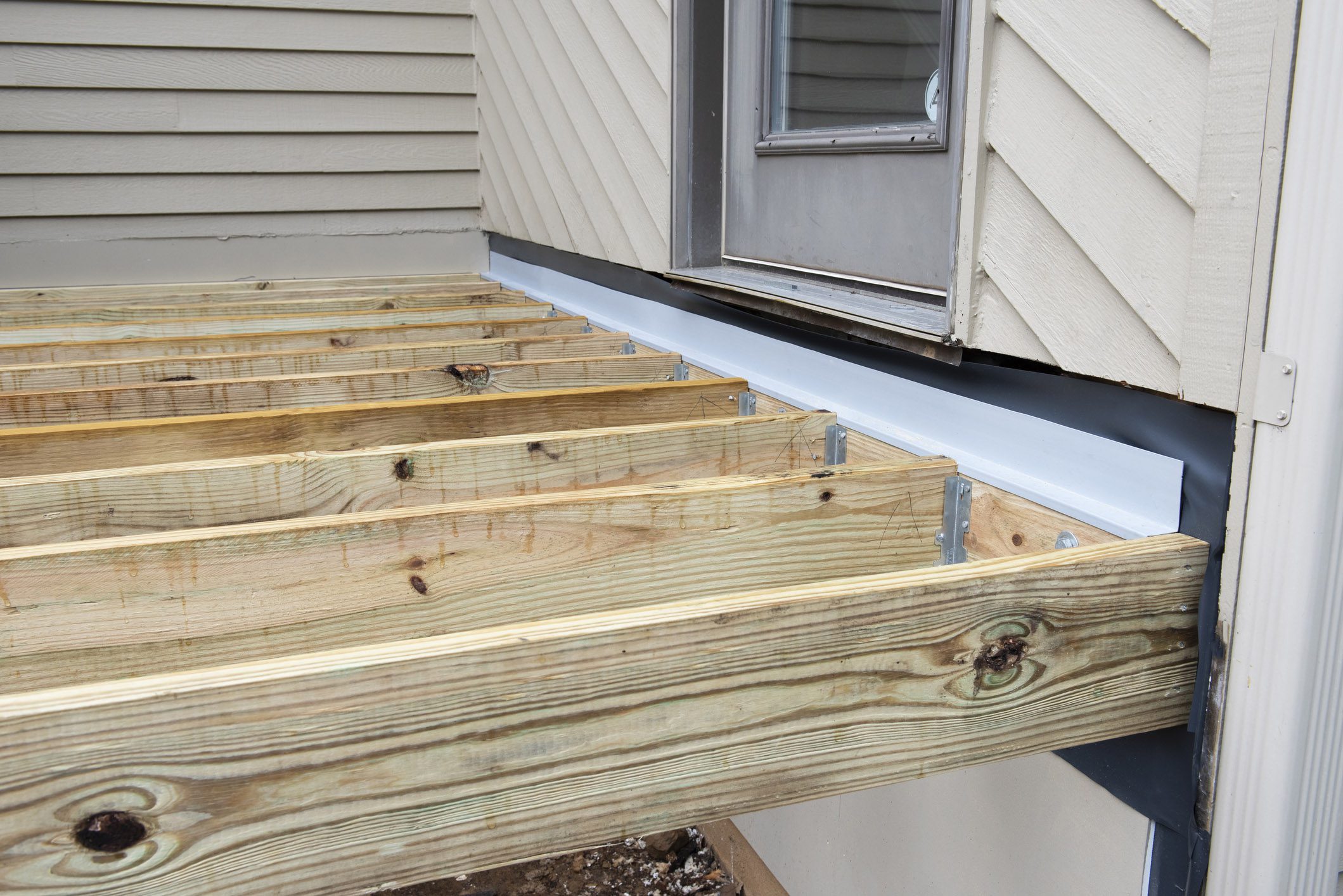
When a deck collapses, it almost always starts in the same place: the ledger board.
The ledger is the structural connection between your deck and your home. If that connection fails, the deck can separate from the house, often without warning. In most deck collapses, the decking boards and railings remain intact — it is the ledger connection that gives way.
If you are planning a new deck or evaluating an existing one, this is the first place to focus.
What Is a Ledger Board?
A ledger board is the horizontal framing board that attaches the deck to your home’s structural framing. It supports one end of the deck joists and transfers weight rom people, furniture, snow, and the deck surface into the house framing system, which then carries that load down to the foundation.
Because it carries actual structural load, it must be installed correctly.
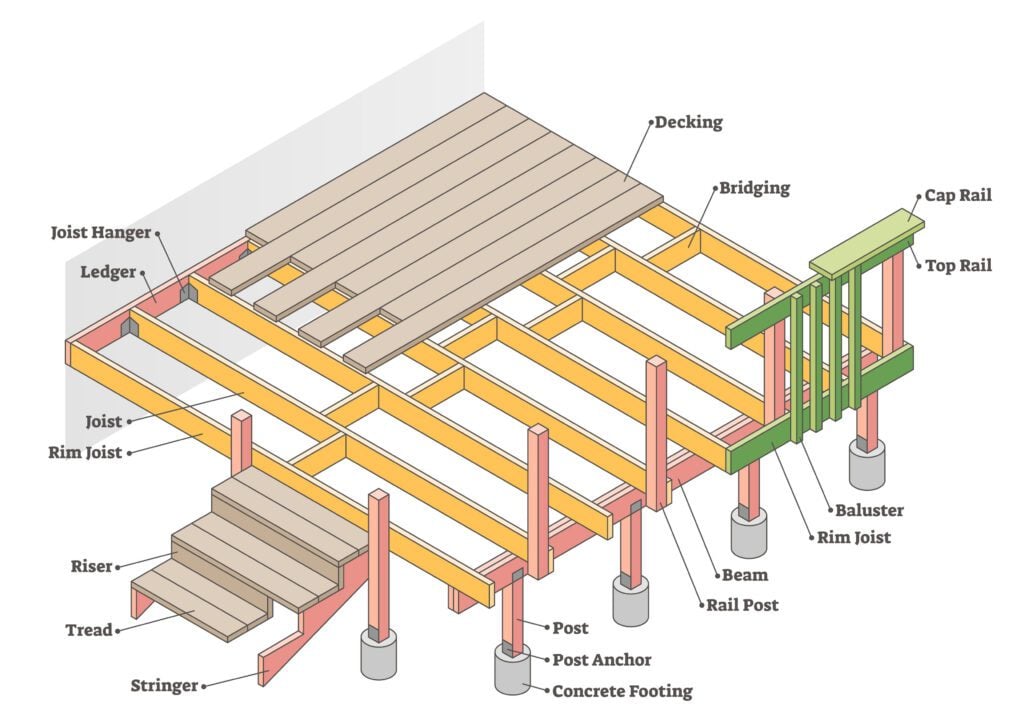
Why the Ledger Is the #1 Deck Failure Point
Most ledger failures fall into three categories:
Improper Attachment to Structural Framing
The ledger must be fastened directly to structural framing — typically the home’s rim (band) joist.
It should never be attached only to:
- Exterior sheathing
- Brick or stone veneer
- Hollow masonry
- Cantilevered wall sections without engineering
If the ledger is attached to non‑structural material, it can pull away under load.
Incorrect Fasteners
Deck requirements are specific because this connection carries load.
Common errors include:
- Using nails or decking screws instead of structural lag screws or through‑bolts
- Fasteners that miss the rim joist
- Improper spacing
- Missing lateral load connectors
In modern building codes, lateral load connectors are required in addition to bolts. Standard bolts resist vertical load, but lateral connectors help prevent the deck from pulling away from the house horizontally.
Moisture Intrusion and Rot
Water is the hidden enemy of ledger connections.
When water gets behind the ledger and sits against the house framing, it can cause:
- Wood rot behind the ledger
- Loose fasteners
- Corroded hardware
- Damage to the home’s rim joist
- Separation between deck and house
Without proper moisture protection, even a well‑fastened ledger will eventually weaken.
Protecting the Ledger with Ledger Tape
High-quality ledger tape provides reliable protection against water intrusion and helps extend the life of your deck.
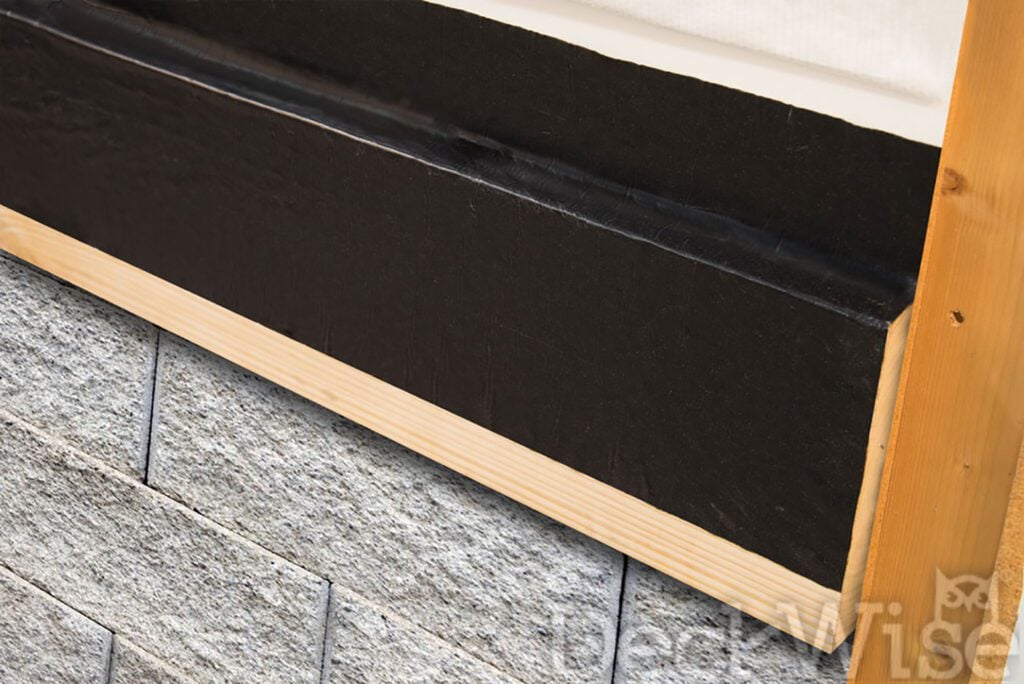
Installation Tips:
- Apply tape along the entire length of the ledger board
- Work from the bottom up
- Press firmly to ensure full adhesion
- Extend the tape a few inches up the wall
Ledger tape helps prevent water from seeping into the ledger and the home’s structural framing, giving your deck long-term durability.
Step 1. Use Corrosion-Resistant Hardware
Ledger boards are typically pressure-treated lumber, which means:
- Fasteners must be hot-dip galvanized or stainless steel
- Hardware must be compatible with modern treated wood
- Replace any visibly corroded connectors
Corrosion weakens connections over time and is a common cause of ledger failure.
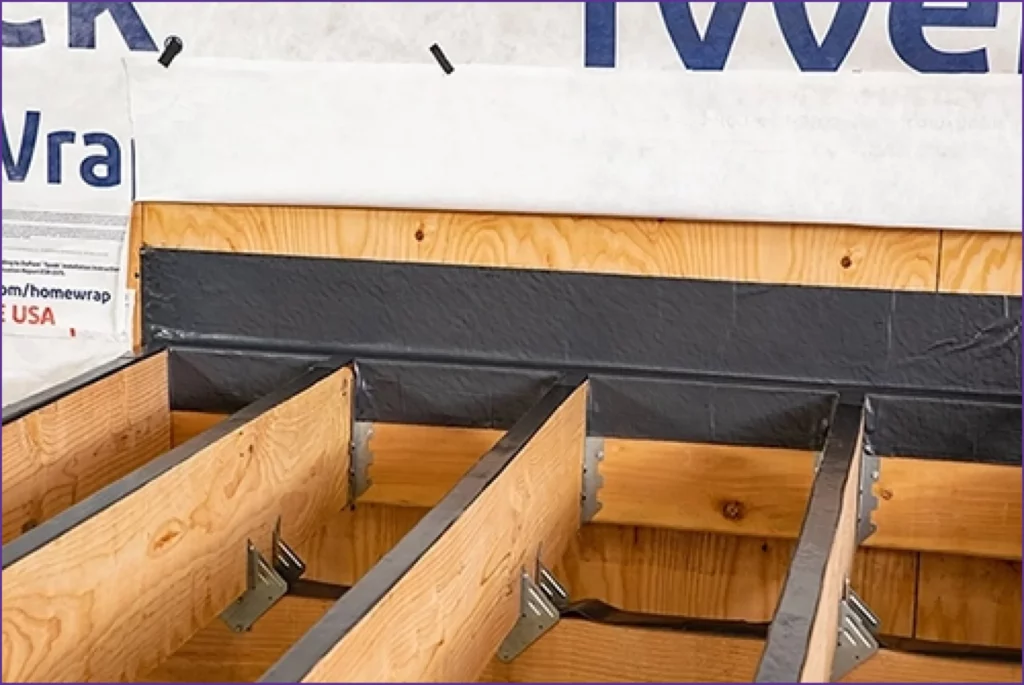
Step 2. Check Joist Hangers at the Ledger
The ledger must properly support the deck joists. Make sure:
- Joist hangers are installed where required
- Approved structural fasteners are used (not drywall screws)
- All hanger nail holes are filled
Missing hanger nails significantly reduce the load capacity of the connection.
How to Inspect an Existing Deck
If you are inspecting a deck, examine the ledger carefully:
- Are there gaps between the deck and the house?
- Is ledger tape present and intact?
- Are bolts tight and corrosion-free?
- Is the ledger snug against the house?
- Are joist hangers properly fastened?
If you see rot, gaps, or water staining near the ledger, further evaluation is highly recommended. This is not an area to ignore.
The Bottom Line
The ledger board is the most critical — and most failure-prone — connection in a deck.
Properly attaching the ledger to structural framing, using ledger tape for moisture protection, and ensuring corrosion-resistant hardware and secure joist hangers are in place will help your deck last for years to come.
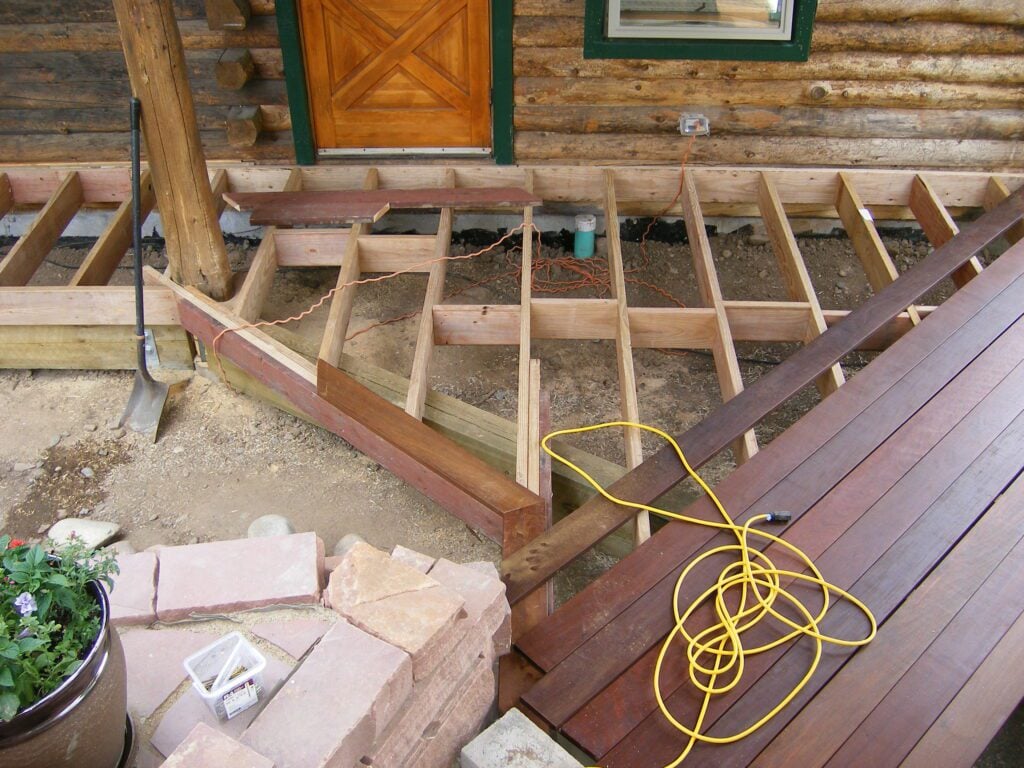
Need Help With Your Deck Project?
Whether you are building a new deck or inspecting an existing one, the ledger connection is too important to guess about.
Visit our website to explore high-quality decking materials, accessories, and installation resources — or contact our team today for guidance on your project. Build it right and enjoy it for years to come.
