
The Hardwood Flooring Secret is Out…
When most homeowners think of hardwood flooring, they picture Red Oak, Maple, or Hickory—the staples of American homes. While these domestic species are beautiful and well-known benchmarks for durability, color, and grain, they’re far from the only options available.
For those who want distinctive color, natural character, and superior hardness without stains or enhancements, several exotic hardwoods offer exceptional performance and show-stopping beauty straight from the forest.
Below are five lesser-known hardwood flooring species—all available at AdvantageLumber.com—that rival or exceed domestic flooring in both hardness and durability, while offering naturally unique aesthetics.
⭐ 1. Amendoim (Ibiráro)
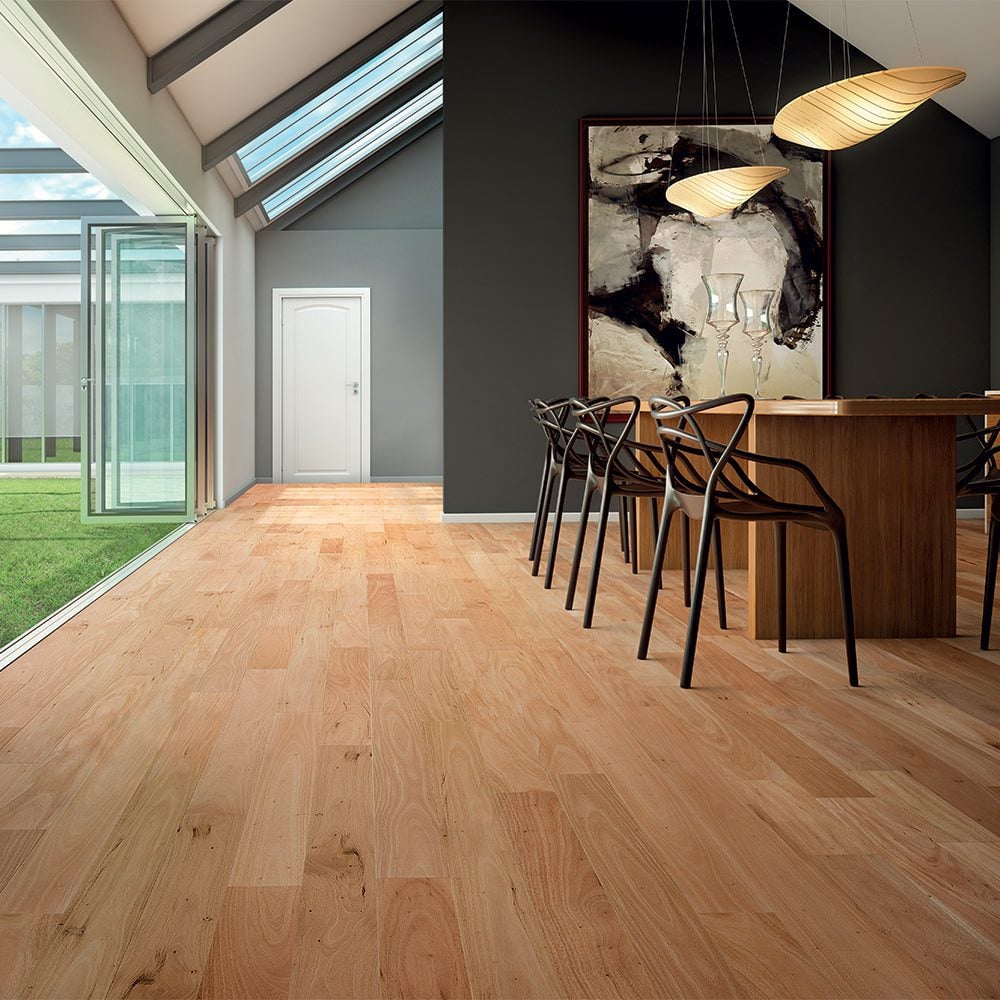
Janka Hardness: ~1,912 lbf
(Compared to Red Oak: 1,290 lbf • Maple: 1,450 lbf • Hickory: 1,820 lbf)
Amendoim, also known as Ibiráro, features warm golden-to-reddish tones with a subtle iridescent shimmer when light hits its interlocked grain. Without any stain or tint, Amendoim naturally delivers a rich, elegant appearance that designers often try to imitate with coloring on domestic species.
Why it beats domestic flooring
- Nearly 50% harder than Red Oak
- Naturally resistant to wear, dents, and scratches
- Gorgeous natural color variation—no stain needed
Shop Amendoim (Ibiráro) Flooring
👉 Amendoim (Ibiráro) – Advantage Lumber
⭐ 2. Brazilian Chestnut (Sucupira)
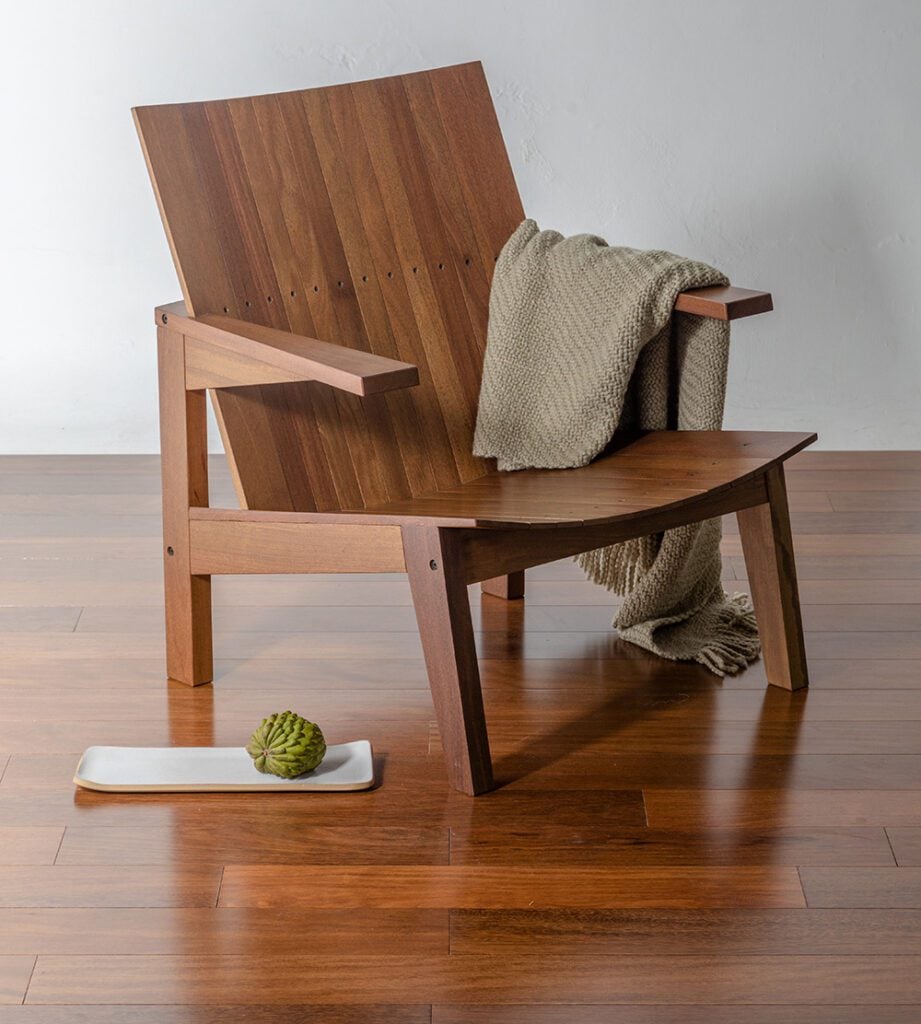
Janka Hardness: ~2,380 lbf
Brazilian Chestnut (Sucupira) is a deep chocolate-to-rust brown hardwood with coarse grain patterns and natural striping. It’s prized for its rich, bold appearance—perfect for homeowners who want a darker, more dramatic look without using stains or reactive finishes.
Why it beats domestic flooring
- Almost twice as hard as Red Oak
- Deep, luxurious color without artificial stains
- Superb dimensional stability for long-term durability
Shop Brazilian Chestnut (Sucupira) Flooring
👉 Brazilian Chestnut (Sucupira) – Advantage Lumber
⭐ 3. Brazilian Pecan (Guajavira)
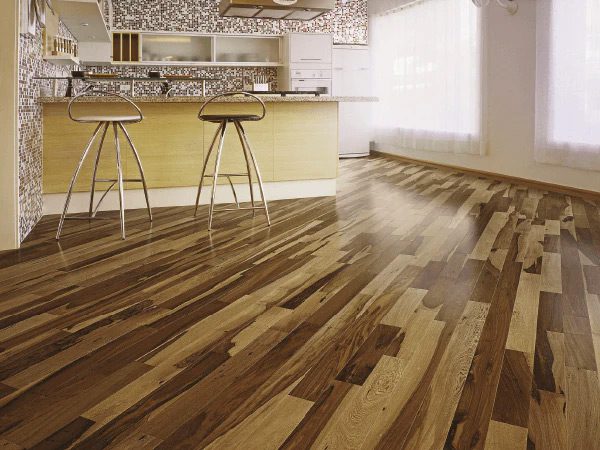
Janka Hardness: ~1980 lbf
(This stunning species is as hard as Hickory!)
Brazilian Pecan (Guajavira) is one of the most striking hardwoods in the world. Its dramatic contrast of light cream, tan, chocolate, and charcoal streaks happens naturally—no coloring or hand-scraping required.
Each plank looks like a work of art.
Why it beats domestic flooring
- Incredibly hard—exceptionally dent-resistant
- Naturally bold, high-contrast color variation
- Perfect for modern, farmhouse, and statement interiors
Shop Brazilian Pecan (Guajavira) Flooring
👉 Brazilian Pecan (Guajavira) – Advantage Lumber
⭐ 4. Brazilian Oak (Tauari)
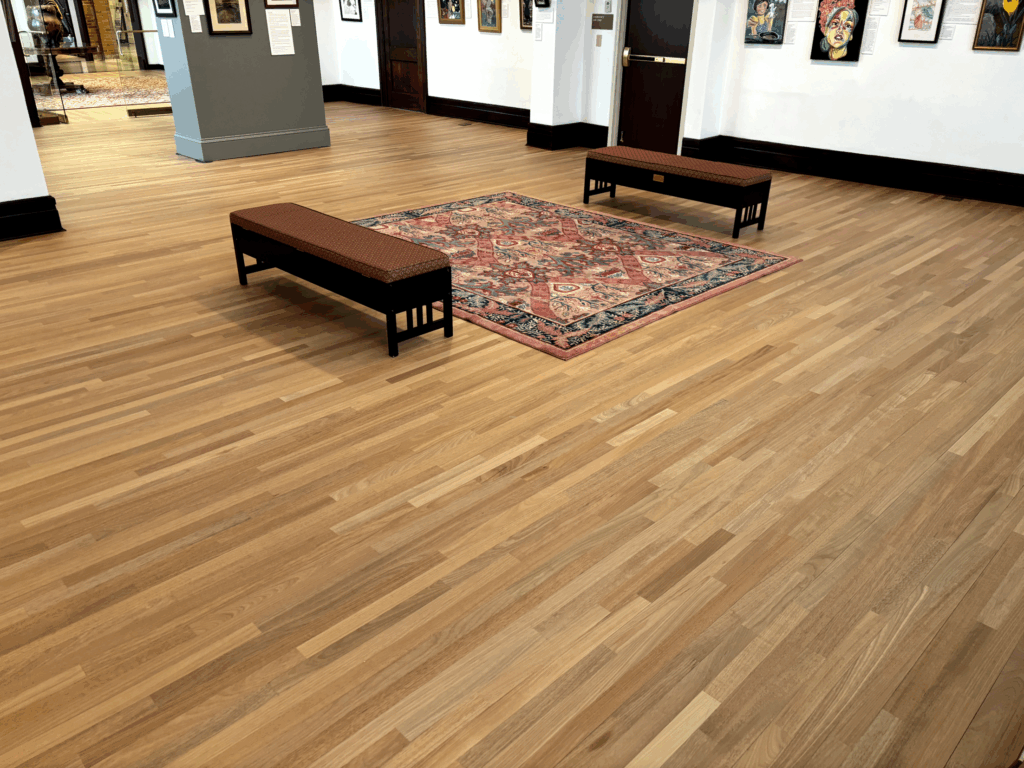
Janka Hardness: ~1,100 lbf
Although softer than some exotics, Brazilian Oak (Tauari) is as hard as Red Oak and offers a light, creamy color similar to Maple—but with a more refined grain pattern that many homeowners prefer for minimalist or Scandinavian-style interiors.
Now Available in Wire-Brushed Engineered Flooring (3 Designer Color Options)
Brazilian Oak from AdvantageLumber.com also comes in engineered flooring with a premium wire-brushed texture, available in three stylish pre-finished tones:
- South Beach — a light tan, coastal-inspired neutral that brightens any space
- Dove Gray — a modern, soft gray perfect for contemporary design
- Monaco — a rich, medium-to-dark tan offering warm European character
These colors provide a high-end aesthetic without the need for stains, while the wire-brushed texture enhances grain visibility and everyday wear resistance.
Why it beats domestic flooring
- Better hardness & stability than Red Oak
- Available in trendy pre-finished engineered colors
- Subtle grain for a clean, modern aesthetic
- Wire-brushed finish improves durability and hides wear
Shop Brazilian Oak (Tauari) Flooring
👉 Brazilian Oak (Tauari) – Advantage Lumber
⭐ 5. Purpleheart
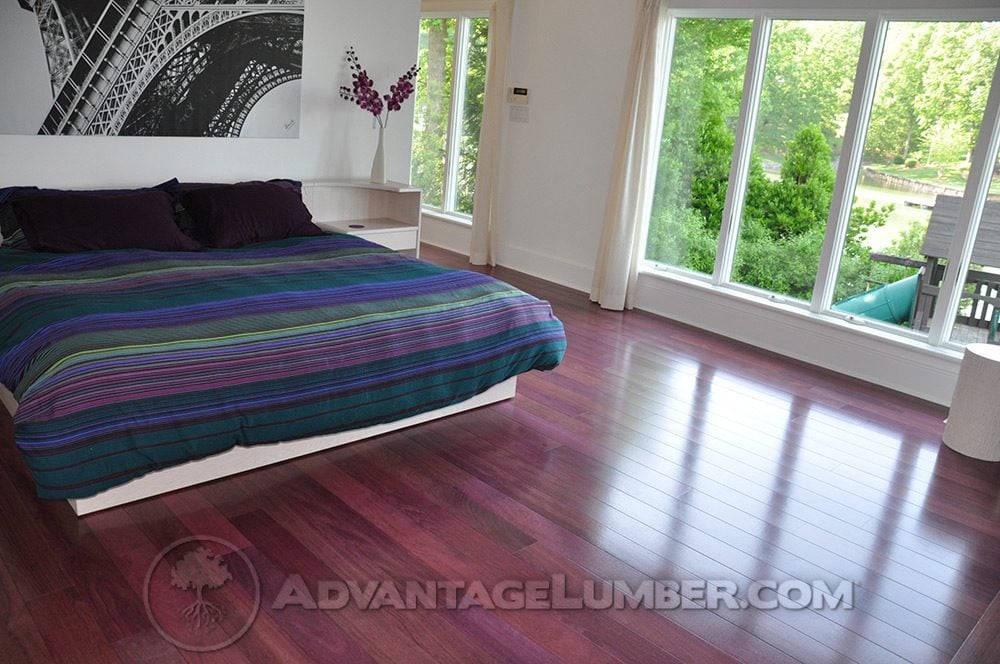
Janka Hardness: ~2,520 lbf
Famous for its naturally purple color, Purpleheart offers a vivid, one-of-a-kind aesthetic that no domestic species can replicate. When cut, the wood appears plum-brown, and with light exposure, it turns a striking deep violet or royal purple.
Why it beats domestic flooring
- Over 2× harder than Red Oak
- Unique, exotic purple coloration without staining
- Extremely dense and resistant to impact, scratching, and moisture
Shop Purpleheart Flooring
👉 Purpleheart – Advantage Lumber
How These Exotic Species Compare to Domestic Hardwoods
| Species | Janka Hardness (lbf) | Notes |
|---|---|---|
| Red Oak | 1,290 | Industry benchmark |
| Maple (Hard Maple) | 1,450 | Prized for light color |
| Hickory | 1,820 | Toughest common domestic |
| Amendoim (Ibiráro) | 1,912 | Harder & richer in color |
| Brazilian Chestnut (Sucupira) | 2,380 | Extremely dense & durable |
| Brazilian Oak (Tauari) | 1,100 | Light color with subtle grain |
| Brazilian Pecan (Guajavira) | 1,980 | One of the hardest flooring woods |
| Purpleheart | 2,520 | Unique purple color; exceptional durability |
Hardness = Long-Term Protection for Both Wood & Finish
The top advantage of exotic hardwoods is their extreme density. Because these species resist:
- Scratches
- Dents
- Furniture impact
- High-traffic wear
…the finish itself lasts longer. When the wood doesn’t dent, the finish doesn’t crack or flake. This means:
- Less maintenance
- Fewer refinishes over the life of the floor
- Better long-term appearance
These species preserve both the structure and the beauty of the flooring—naturally.
Conclusion: A Better-Performing Alternative to Domestic Flooring
If you want hardwood flooring with:
- Natural, unique colors
- Better scratch and dent resistance
- Longer finish lifespan
- Superior durability in high-traffic homes
- Genuine exotic beauty without stains
…then these five species—Amendoim, Brazilian Chestnut, Brazilian Pecan, Brazilian Oak, and Purpleheart—are phenomenal choices.
Explore all available widths, finishes, and options here:
👉 https://buy.advantagelumber.com/collections/hardwood-flooring
Frequently Asked Questions (FAQ)
1. Should I choose solid or engineered hardwood flooring?
Both solid and engineered hardwood have their advantages:
- Solid hardwood is milled from a single piece of lumber and can be refinished multiple times over its lifespan. It’s ideal for homeowners who want longevity and traditional craftsmanship.
- Engineered hardwood features a real hardwood wear layer over a stable multi-ply core. It performs better in environments with humidity fluctuations—such as basements, condos, or homes in varying climates.
In most cases, engineered hardwood is recommended for stability, while solid hardwood is best when you want maximum refinishing potential. Both options are available in the exotic species above.
2. How does Brazilian Oak (Tauari) compare to American Red Oak?
Brazilian Oak (Tauari) and American Red Oak differ in both performance and appearance:
- Hardness: Brazilian Oak is slightly harder (~1,350 lbf) than Red Oak (1,290 lbf), giving it better scratch and dent resistance.
- Color: Tauari naturally has a lighter, cream-colored tone similar to Maple, while Red Oak has warmer pinkish-brown hues.
- Grain: Tauari has a cleaner, more uniform grain pattern—excellent for contemporary or Scandinavian-style interiors.
If you want a lighter, more modern aesthetic with improved performance, Brazilian Oak is an excellent upgrade from domestic Red Oak.
3. What’s the difference between Brazilian Pecan and American Pecan (Hickory/Pecan)?
Although related, these species are dramatically different:
- Hardness: Brazilian Pecan averages around 3,540 lbf, while American Pecan/Hickory ranges around 1,820 lbf. Brazilian Pecan is nearly twice as hard.
- Appearance: Brazilian Pecan has bold, high-contrast streaks and color variations naturally occurring in the wood. American Pecan tends to be more uniform.
- Durability: The extreme density of Brazilian Pecan offers elite resistance to dents, scratches, and everyday wear.
For homeowners seeking an artistic, highly durable floor, Brazilian Pecan is in a class of its own.
4. How does Brazilian Chestnut compare to domestic Chestnut Oak?
Brazilian Chestnut (Sucupira) and Chestnut Oak differ significantly:
- Hardness: Brazilian Chestnut is extremely hard (~2,350 lbf), while Chestnut Oak is much softer, similar to White Oak (~1,360 lbf).
- Color: Sucupira offers naturally rich, chocolate-to-rust tones without staining. Chestnut Oak is lighter, with classic brown and tan hues.
- Durability: The density of Brazilian Chestnut makes it far more resistant to impact and surface wear.
If you love dark, luxurious color and a denser, high-performance floor, Brazilian Chestnut is the superior option.
5. Why does Purpleheart become more brown over time?
Purpleheart is famous for its vibrant purple color, but exposure to UV light and oxygen causes gradual color changes:
- Freshly milled Purpleheart often appears brownish or plum-toned.
- With mild UV exposure, it transitions into a bold, deep purple.
- Over longer periods, continued UV exposure causes the purple to mellow into a deeper brownish-violet tone.
This is a natural aging process in the wood’s extractives. To slow the color shift, choose a UV-inhibiting finish and limit direct sunlight where possible.
