
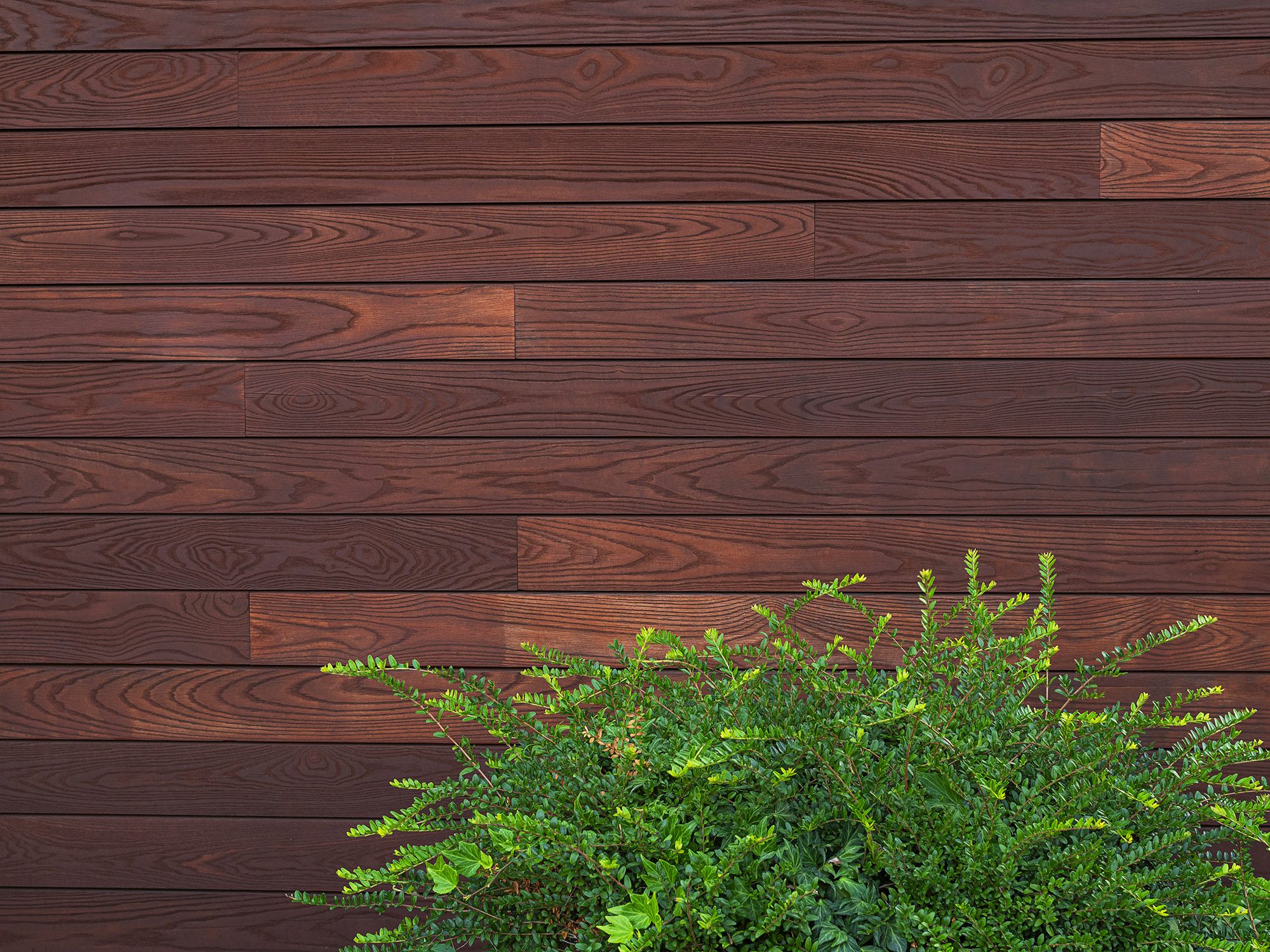
In the world of sustainable building materials, thermally modified ash is emerging as a game-changer. This innovative wood product combines the natural beauty of ash hardwood with advanced thermal treatment to create a durable, eco-friendly alternative to traditional woods and chemically treated lumber.
Whether you’re planning a backyard deck or updating your home’s exterior, thermally modified ash offers versatility and longevity without the environmental drawbacks. Let’s dive into what it is, how it’s made, and some of its most common applications.
What Is Thermally Modified Ash?
Thermally modified ash starts as regular ash wood, sourced from the ash tree (Fraxinus species), which is known for its strength and attractive grain. Through a specialized process, the wood is heated to high temperatures, altering its cellular structure to enhance its properties.
This modification makes the wood more resistant to moisture, decay, insects, and weathering, all without the use of harmful chemicals. The result is a darker, richer-toned material that maintains the warm, natural aesthetic of untreated ash while gaining superior performance characteristics.
One of the key appeals of thermally modified ash is its sustainability. Ash trees are abundant in North America, and the thermal process uses no additives, making it an environmentally responsible choice. It’s also highly stable, meaning it experiences less warping, cracking, or splitting compared to untreated wood, which extends its lifespan and reduces maintenance needs.
How Is Thermally Modified Ash Made?
The production of thermally modified ash involves a controlled thermal modification process, often referred to as pyrolysis. Here’s a step-by-step breakdown:
- Selection and Preparation: High-quality ash lumber is selected and kiln-dried to reduce initial moisture content.
- Heating in a Controlled Environment: The wood is placed in a specialized kiln where it’s heated to temperatures between 180°C and 220°C (356°F to 428°F) in an oxygen-free or low-oxygen atmosphere, typically using steam or nitrogen to prevent combustion. This phase can last several days, depending on the wood’s thickness.
- Chemical Changes: At these high temperatures, the wood’s hemicelluloses and other organic compounds break down, reducing its ability to absorb moisture and making it unappealing to pests and fungi. The process also darkens the wood, giving it a caramelized appearance.
- Cooling and Stabilization: After heating, the wood is slowly cooled and conditioned to achieve the desired moisture equilibrium, ensuring dimensional stability.
This eco-friendly method avoids preservatives, relying solely on heat to transform the wood into a more robust material.
Benefits of Thermally Modified Ash
Before we explore its uses, it’s worth highlighting why this wood stands out. Thermally modified ash boasts enhanced durability, making it ideal for challenging environments. It’s rot-resistant, insect-resistant, and stable in varying humidity levels, which means less maintenance over time.
Additionally, its natural weathering process leads to a beautiful silver-gray patina if left untreated, or it can be sealed for color retention. From an environmental perspective, it’s a renewable resource that outperforms tropical hardwoods without contributing to deforestation.
Common Uses for Thermally Modified Ash
Thanks to its weather resistance and aesthetic appeal, thermally modified ash is perfect for outdoor projects. Here are some popular applications:
Decking
One of the most common uses is decking, where its low moisture absorption prevents swelling and cracking in wet conditions. It’s durable enough for high-traffic areas like patios or pool surrounds, and its rich tones add elegance to backyard spaces. Unlike pressure-treated lumber, it doesn’t leach chemicals, making it safer for families and pets.
Siding
For home exteriors, thermally modified ash serves as excellent siding material. Its stability ensures it holds up against rain, wind, and temperature fluctuations without warping. It provides a modern, rustic look that weathers gracefully, and it’s often used in rainscreen systems for better ventilation and longevity.
Exterior Soffits and Ceilings
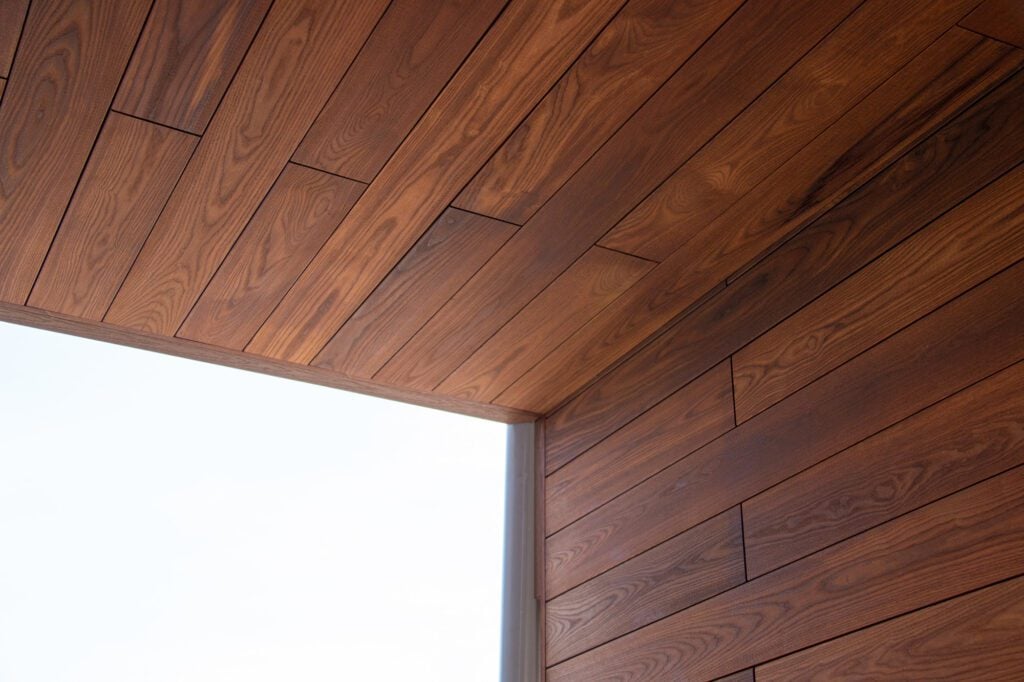
In architectural details like soffits and outdoor ceilings, this wood excels due to its resistance to humidity and insects. It’s commonly installed in porches, gazebos, or covered patios, where it adds warmth and texture while requiring minimal upkeep. The thermal process ensures it won’t sag or deteriorate in sheltered but exposed areas.
Fences
Fences made from thermally modified ash are a sturdy, low-maintenance option for privacy or boundary marking. Its rot resistance makes it suitable for ground-contact installation, outlasting untreated wood in rainy climates. Plus, the natural color variations create an attractive, custom fence design.
Benches and Outdoor Furniture
For benches, tables, or other outdoor furniture, thermally modified ash is a top choice because it’s comfortable, durable, and hydrophobic (water-repellent). Projects like garden benches benefit from its strength and weatherproof qualities, ensuring they endure seasons of use without fading or splintering. It’s also great for park installations or public spaces.
Other Outdoor Applications
Beyond these, thermally modified ash shines in docks, pergolas, and even exterior millwork. Its versatility extends to playground structures, planters, or accent walls in landscapes. For water-adjacent uses like boardwalks or boat docks, its ability to handle direct contact with moisture makes it superior to many alternatives.
Conclusion: Why Choose Thermally Modified Ash?
Thermally modified ash represents the future of wood products—durable, beautiful, and kind to the planet. Whether you’re a homeowner tackling a DIY project or an architect specifying materials, its blend of performance and sustainability makes it a smart investment. If you’re considering it for your next build, consult with suppliers to explore profiles and finishes that suit your vision. Embrace this innovative wood and enjoy outdoor spaces that stand the test of time!