
What’s in it, off-gassing facts, and what happens in a house fire
Luxury vinyl plank (LVP) flooring is popular because it’s durable, waterproof, and affordable. But “vinyl” is shorthand for PVC (polyvinyl chloride)—a plastic made from vinyl chloride monomer plus fillers and additives. This post breaks down what LVP is made of, what it can emit in your home, and—critically—what happens if vinyl burns in a house fire.
What LVP is actually made of
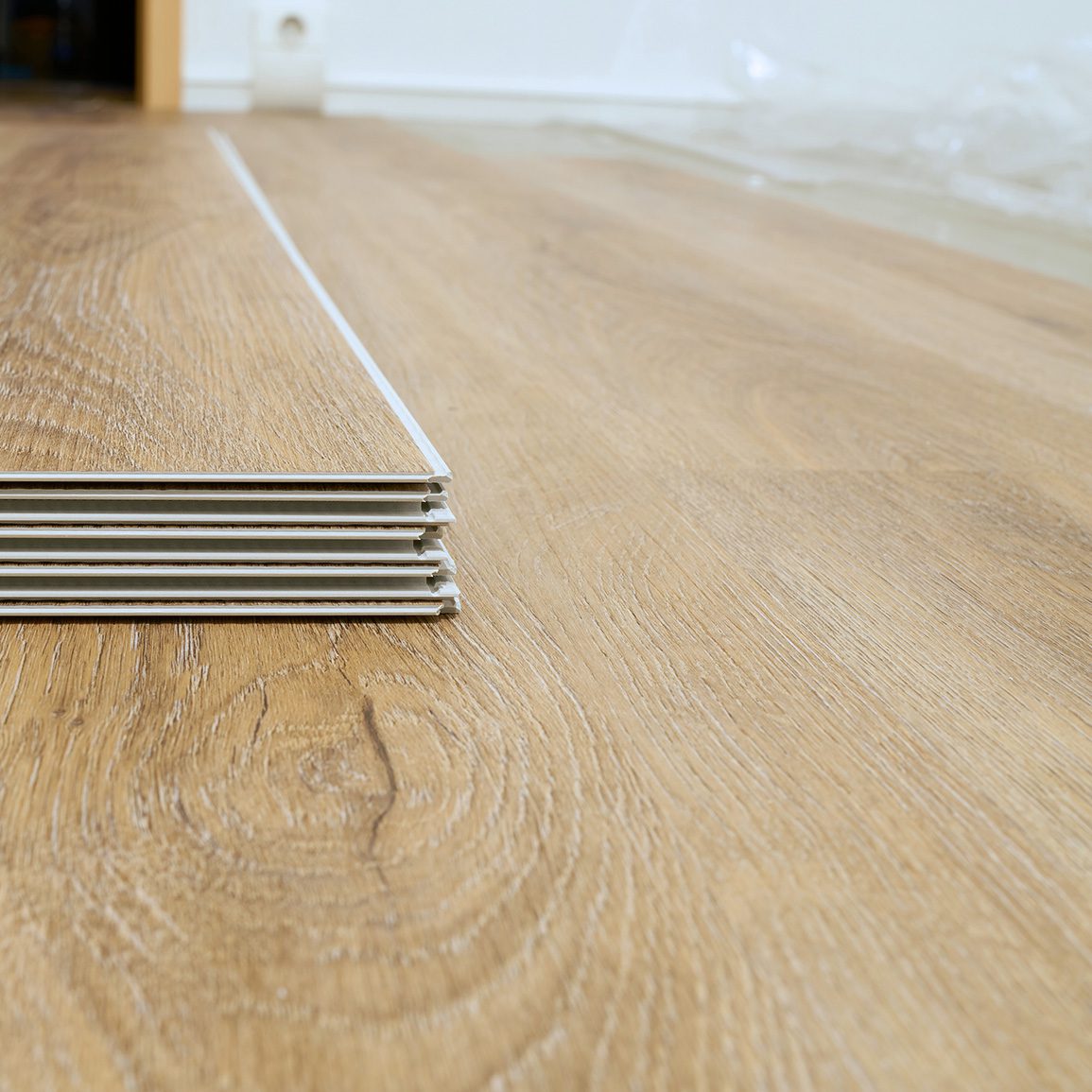
Most LVP (including SPC and WPC variants) is a layered product. Typical ingredients include:
- PVC resins (the “vinyl”) – the base plastic made from vinyl chloride monomer. (Guthrie Flooring, GilardinoFloor)
- Fillers – commonly limestone (calcium carbonate) to stiffen the core (especially SPC). (Blackburn’s Interiors)
- Plasticizers – to keep vinyl flexible (historically phthalates like DEHP; many products now use alternative plasticizers). (GilardinoFloor, US EPA)
- Stabilizers & additives – heat/UV stabilizers, pigments, fungicides, and foaming agents (in WPC). (Advantage Flooring, floorcentral.com)
Two key toxicology notes about the raw goods:
- Vinyl chloride monomer (the building block of PVC) is carcinogenic; EPA classifies it as carcinogenic by inhalation and ingestion. (Finished PVC should contain negligible residual monomer if properly manufactured, but the monomer itself is high-hazard.) (US EPA, Cancer.gov)
- Phthalate plasticizers: Regulations restrict certain phthalates in children’s products; the EPA continues formal risk management for several phthalates in commerce. (Many modern LVP lines advertise “phthalate-free” plasticizers, but always check technical data.) (U.S. Consumer Product Safety Commission, US EPA)
Off-gassing: will LVP emit VOCs into my home?
Short answer: yes, at least initially—though levels vary by product and drop over time.
- Research on PVC flooring shows VOCs and SVOCs (e.g., plasticizers) can be emitted, following diffusion-controlled behavior that diminishes with time after installation. (UNT Digital Library)
- Temperature and light matter: controlled studies find higher emissions with heat and simulated sunlight; one 2025 lab study reported light-induced VOC fluxes ~1.6× higher than heat alone during initial exposure. (ScienceDirect)
- For phthalates specifically, lab work shows DEHP emission rates increase with temperature (tested up to ~61 °C/142 °F). Sun-heated floor zones near windows can therefore emit more than shaded zones. (nfa.elsevierpure.com, Academia)
- Long-term chamber testing of PVC floors confirms VOC emissions persist at lower levels for years, influenced by adhesives/screeds as well as the flooring itself. (Tampere University Research Portal)
How to reduce off-gassing indoors
- Choose indoor-air-quality certified products (e.g., UL GREENGUARD Gold or FloorScore), which are emission-tested to stringent VOC limits. (UL Solutions, SCS Global Services)
- Ventilate well for the first weeks after installation (run HVAC fan, crack windows when weather allows).
- Limit prolonged, direct sun on new floors (rugs/shades) during the break-in period, since heat/light can raise emission rates. (ScienceDirect, nfa.elsevierpure.com)
“What if there’s a fire?” The smoke from burning vinyl
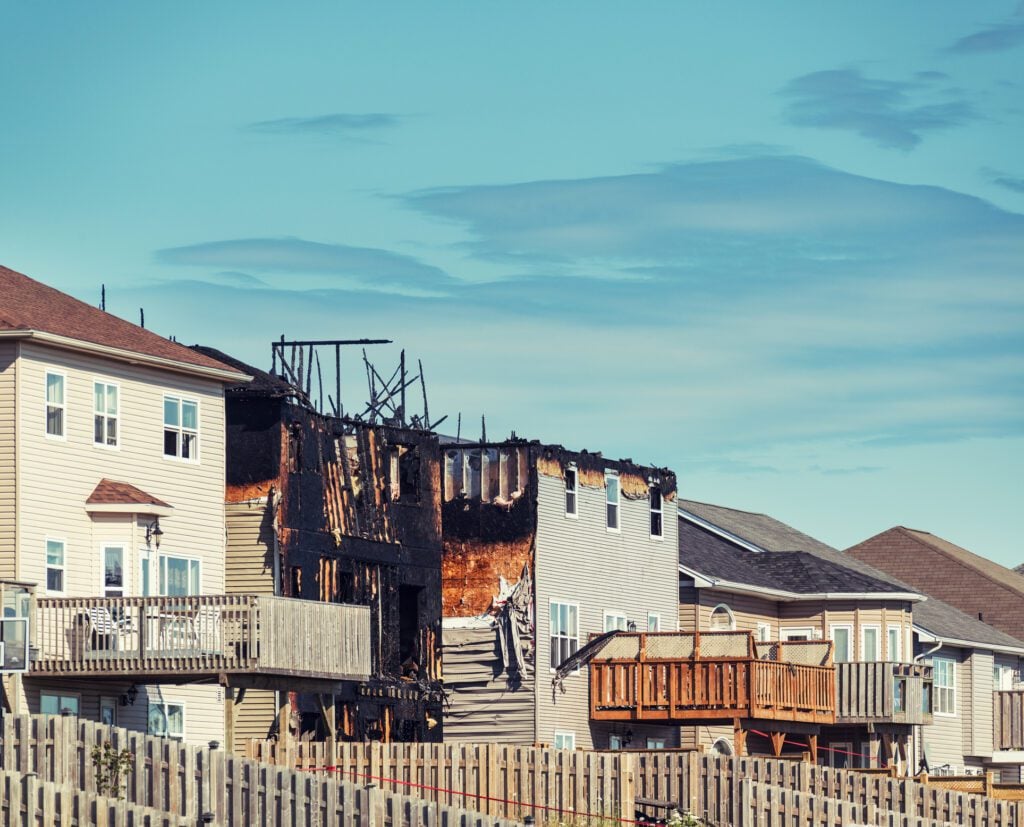
When LVP (PVC) burns or overheats, it can release a mix of hazardous gases and particulates:
- Hydrogen chloride (HCl) – a pungent, corrosive gas; potent respiratory irritant that forms hydrochloric acid when contacting moisture in airways. (NIST)
- Carbon monoxide (CO) – a colorless asphyxiant present in nearly all fires. (NIST)
- Under certain fire conditions (especially with chlorine-containing materials), dioxins and related compounds can form. (The Red Guide to Recovery, pvcinformation.org)
- Incidents that involved vinyl chloride combustion have also highlighted production of phosgene and hydrogen chloride, both highly toxic. (Vinyl chloride is a feedstock for PVC and, when burned, can yield these gases.) (AP News)
A literature assessment by NIST emphasizes HCl and CO as the main toxic products from PVC fires—i.e., the smoke itself is often the primary danger long before flames reach you. (NIST)
Are most victims exposed to smoke inside their own homes?
Yes—most fatal U.S. fire events happen in residences, often at night when people are home and asleep:
- Home structure fires caused ~75% of civilian fire deaths in 2016–2020. (NFPA)
- In fatal residential fires (2017–2019), 50% of fatalities occurred in bedrooms, and 49% happened between 11 p.m. and 7 a.m.—strong indicators people were home/asleep when fires started. (U.S. Fire Administration)
Smoke inhalation vs. flames: what actually kills?
Federal analyses consistently show smoke inhalation is involved in the vast majority of residential fire deaths:
- For 2017–2019 residential fire fatalities, smoke inhalation alone accounted for 35% of deaths; burns + smoke together accounted for 49%; burns alone were 6%. In other words, smoke played a role in ~84% of residential fire deaths in that period. (U.S. Fire Administration)
- The American Burn Association’s most recent fact sheet estimates ~3,800 annual U.S. deaths from fire/smoke inhalation, with ~3,010 tied to structure fires. (Ameriburn)
Why this matters for material choices: Building materials that yield highly irritating, low-visibility, or asphyxiating smoke can shorten escape time. PVC-containing products (including flooring) contribute HCl to the smoke mixture, which can rapidly incapacitate occupants in enclosed spaces. (NIST)
Choosing the right building materials can decrease the amount of toxic smoke in your home giving you and your family additional escape time.
Unfortunately this is an area of home building and remodeling that is often overlooked. Nobody likes to think this will happen to their family. If you plan for the worst case scenario and use the best materials then your family will have the best chance at escaping a horrific tragedy.
Homes Can Be Replaced, Loved Ones Can Not!

So…is LVP “toxic”?
- In everyday use: Properly manufactured LVP can meet stringent low-emission certifications (GREENGUARD Gold / FloorScore). Even then, expect some initial VOC off-gassing—especially if areas are heated by strong sun—followed by a decline over time. (UL Solutions, SCS Global Services, ScienceDirect)
- In a fire: All common interior finishes (wood, carpet, plastics) produce hazardous smoke. But vinyl-containing products add acid gases (HCl) and, under certain conditions, dioxins—increasing the toxicity of smoke that is already the leading killer in home fires. (NIST, The Red Guide to Recovery)
Practical guidance if you’re weighing LVP
- Prefer third-party emissions certifications (UL GREENGUARD Gold, FloorScore). Ask for current certificates and note they test emissions, not just ingredients. (UL Solutions, SCS Global Services)
- Ventilate after install. Run HVAC fans, open windows when feasible, and let that “new floor” period pass before heavy use.
- Control sun/heat on new floors. Window shades/rugs can reduce initial heat-boosted emissions in sun-soaked zones. (ScienceDirect, nfa.elsevierpure.com)
- Fire safety matters more than material debates. Working smoke alarms, a 2-minute escape plan, and (if possible) residential sprinklers are the biggest lifesavers—because smoke kills fast. (NFPA)
- If you want a PVC-free path: Consider hardwood, tile, or certain bio-based resilient floors; still check their emission certifications because all materials can off-gas.
Bottom line
LVP isn’t uniquely “toxic” in normal use when you choose low-emissions products and manage ventilation—but when vinyl burns, it can add high-irritant acid gases to already deadly smoke. Since most fatal fires happen at home and at night—and ~84% of residential fire deaths involve smoke inhalation—your best safety margin comes from prevention and fast detection, regardless of which floor you pick. (U.S. Fire Administration) That said a solid hardwood floor would a safer alternative compared to LVP in the event of a house fire.
If you want, I can help you shortlist FloorScore or GREENGUARD Gold–certified LVP options—or PVC-free alternatives—for your project, and draft buyer’s-guide language for your blog.
