
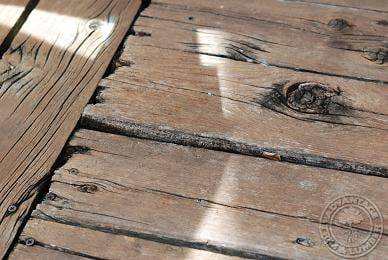
Deck boards are built to handle years of sun, rain, humidity, and changing temperatures, but no decking material is completely immune to movement. Over time, you may notice boards that begin to cup, warp, or develop cracks. While these issues can be frustrating, they usually don’t happen without a reason.
In most cases, moisture is the biggest factor. Wood naturally expands and contracts as it gains and loses moisture, and weather, installation practices, ventilation, and material quality all influence how much movement occurs. Understanding what causes these problems can help you prevent them and keep your deck looking its best for years to come.
Moisture Is the Biggest Culprit
Moisture is the number one reason wood deck boards change shape.
When one side of a board absorbs or releases moisture faster than the other, it expands and contracts unevenly. That difference creates internal stress within the board, which can eventually cause it to cup, bow, or twist.
A few common situations can lead to uneven moisture exposure:
- Water regularly pooling on the deck surface
- Poor airflow beneath the deck
- Sprinklers soaking one section of the deck
- Heavy shade in some areas and full sun in others
Good drainage and proper ventilation allow deck boards to dry more evenly, reducing the stress that causes movement.
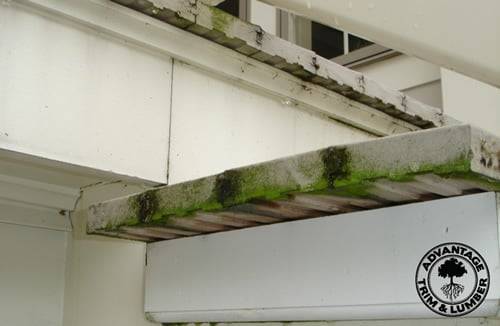
Improper Installation Can Lead to Problems
Even premium decking materials can develop issues if they aren’t installed correctly.
Some of the most common installation mistakes include:
- Joists spaced farther apart than recommended
- Using the wrong fasteners
- Not pre-drilling dense hardwood decking when required
- Installing boards too tightly together without allowing for seasonal expansion and contraction
- Failing to follow the manufacturer’s installation guidelines
Taking the time to install decking correctly helps minimize movement and gives your deck the best chance of performing well for decades.
Wood Naturally Expands and Contracts
Every wood species responds to seasonal changes in temperature and humidity. That’s simply part of using a natural building material.
Some species are naturally more dimensionally stable than others. Premium hardwoods like Ipe and Cumaru, along with modified wood products such as Accoya® and thermally modified wood, generally experience less movement than many traditional softwoods. However, even the most stable decking materials still require proper installation and ventilation to perform their best.
Years of Weather Take Their Toll
Outdoor decks are constantly exposed to the elements.
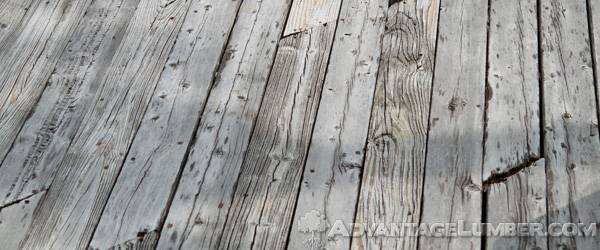
Sunlight, rain, snow, and repeated wet-and-dry cycles slowly affect the wood over time. As boards expand and shrink through changing seasons, small surface checks may begin to appear. These shallow cracks are common in many wood species and are typically cosmetic rather than structural.
Larger cracks or splits, however, may indicate excessive moisture exposure, poor installation, or prolonged weathering.
Material Quality Matters
Not all deck boards are manufactured to the same standards.
Boards that haven’t been properly dried or contain excessive internal stress are more likely to warp after installation. Choosing high-quality decking from a reputable supplier helps reduce the risk of future movement because the lumber has been properly processed and selected for outdoor performance.
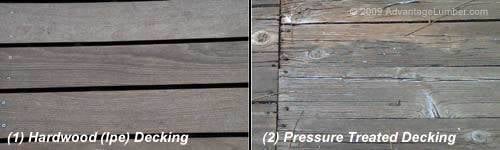
What’s the Difference Between Cupping, Warping, and Cracking?
Although these terms are often used interchangeably, they describe different types of movement.
Cupping
Cupping occurs when the edges of a board become higher than the center, creating a shallow “U” shape. It’s usually caused by uneven moisture levels between the top and bottom of the board.
Warping
Warping is a broad term that describes boards bending, bowing, or twisting out of shape. Moisture imbalance, internal stress, and improper installation can all contribute to warping.
Cracking
Cracks, sometimes called checks, develop as wood adjusts to changing moisture levels. Small surface checks are normal and generally don’t affect the strength of the board. Deep cracks or splits, on the other hand, may indicate a more serious problem.
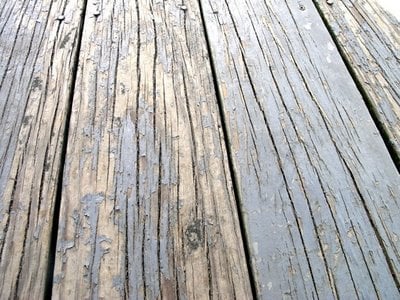
What About Composite Decking?
Composite decking doesn’t absorb moisture like natural wood, so it won’t cup in the same way.
However, composite boards can still move if they aren’t installed according to the manufacturer’s recommendations. Incorrect joist spacing, improper fastening, or failing to leave the required expansion gaps can all affect long-term performance.
Whether you’re installing hardwood, composite, or PVC decking, following the manufacturer’s guidelines is one of the best ways to avoid problems down the road.
How to Prevent Deck Boards from Cupping, Warping, and Cracking
You can’t stop decking materials from responding to seasonal weather, but you can greatly reduce the chances of excessive movement by following a few best practices.
- Choose high-quality decking materials.
- Follow the manufacturer’s installation recommendations.
- Use the proper joist spacing and fasteners.
- Allow for adequate airflow beneath the deck.
- Make sure water drains away instead of pooling on the surface.
- Seal freshly cut ends of hardwood decking with an end grain sealer.
- Keep the deck clean by removing leaves, dirt, and debris that trap moisture.
- If you have hardwood decking, apply a penetrating hardwood oil to help maintain its rich color and slow moisture absorption.
Frequently Asked Questions
Why are my deck boards cupping?
Cupping usually happens because one side of the board is gaining or losing moisture faster than the other. Poor ventilation, standing water, and uneven sun exposure are some of the most common causes.
Is it normal for deck boards to crack?
Yes. Small surface checks are a natural part of the weathering process for many wood species and are usually cosmetic. Larger cracks or deep splits may indicate excessive movement or long-term moisture exposure.
Can warped deck boards be repaired?
Minor movement may improve as moisture levels become more balanced, but severely warped or twisted boards often need to be replaced.
Which decking material is least likely to warp?
Premium hardwoods like Ipe, Cumaru, and thermally modified wood are known for their dimensional stability. Quality composite and PVC decking also resist many of the moisture-related issues that affect traditional wood decking.
Final Thoughts
Some movement is a normal part of owning an outdoor deck, especially one made from natural wood. But severe cupping, warping, and cracking are often preventable with quality materials, proper installation, and routine maintenance. Understanding what causes these issues can help you make informed decisions and keep your deck performing its best for years to come.
If you’re planning a new deck or replacing worn-out boards, Advantage Lumber offers premium hardwood, composite, and PVC decking designed for long-lasting performance. Browse our selection online or contact our team for help choosing the right decking material for your project.
