
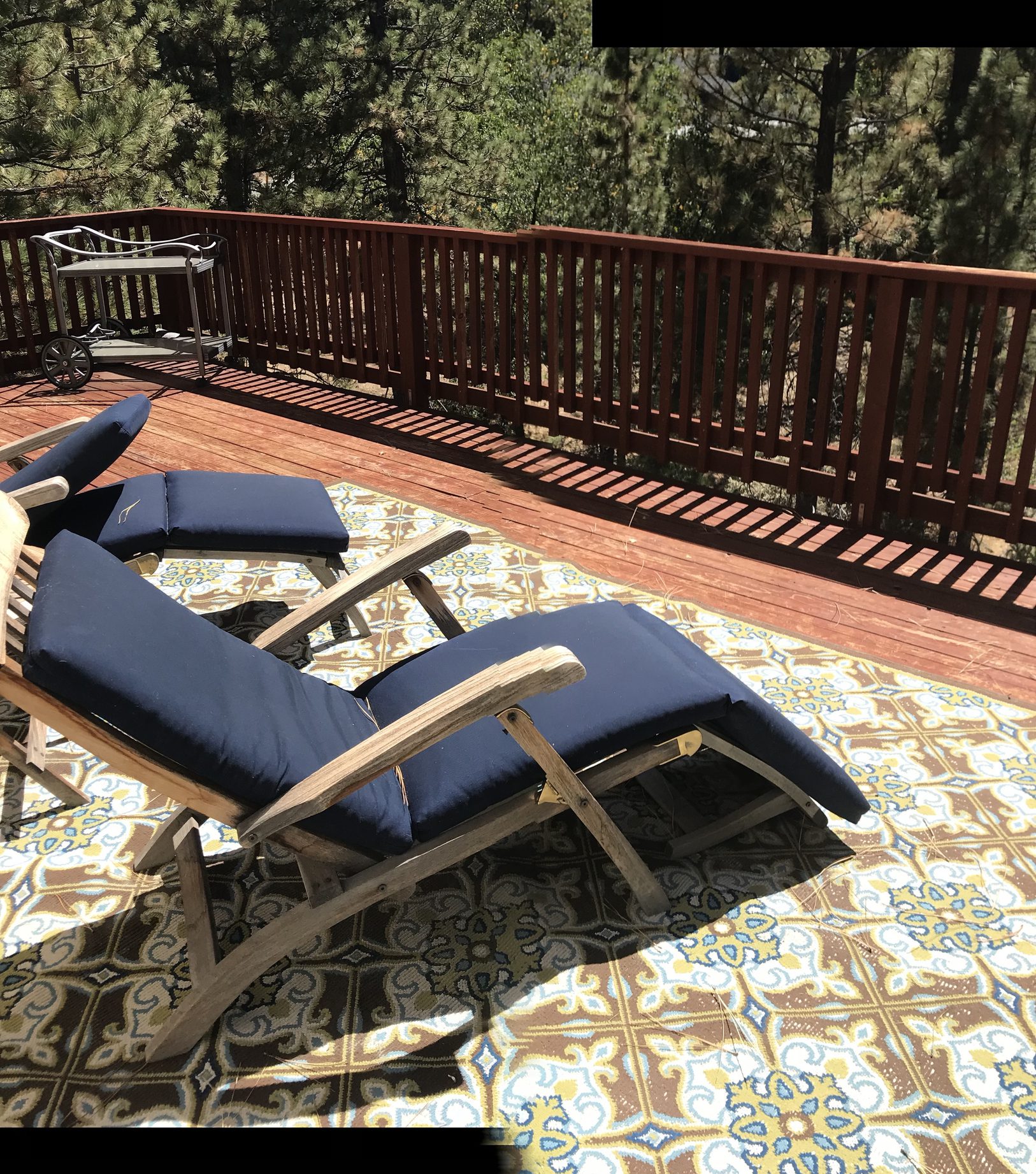
If you’re looking to cozy up your outdoor space with an area rug, you might be wondering about the potential downsides—specifically, whether it could lead to rot on your deck. The short answer is that it depends on your deck’s material, but in many cases, an outdoor rug can indeed contribute to moisture-related issues that accelerate decay or cause other problems. Let’s break it down by deck type to help you decide if it’s worth the risk.
Softwood Decks: High Risk for Rot
Softwoods like pressure-treated pine, cedar, and redwood are popular choices for decks due to their affordability and natural appeal. However, these materials will experience very accelerated rot and decay if you place an outdoor rug on your deck due to moisture being trapped underneath and not getting enough air flow to dry out the deck boards.
Rain, dew, or even humidity can seep under the rug, creating a damp environment that’s perfect for mold, mildew, and wood-eating fungi. Without proper ventilation, the wood stays wet longer, speeding up the breakdown process. If your deck is made from one of these softwoods, it’s best to skip the rug altogether or opt for one that’s highly breathable and elevate it slightly to promote airflow.
Hardwood Decks: Lower Risk, But Still Problematic
On the other hand, hardwood decking species such as Ipe, Cumaru, Tigerwood, Garapa, Teak, Mahogany, and Brazilian Redwood would be much less likely to rot and decay if you have an outdoor rug on your deck built with one of these durable hardwoods.
These exotic woods are naturally resistant to moisture, insects, and decay thanks to their dense structure and high oil content. That said, placing an outdoor rug on these is also generally not recommended due to the same reason that you are trapping moisture in between the bottom of the rug and the top of the deck boards.
You are almost guaranteed to cause cupping and other undesirable movement of your deck boards where your rug is. Over time, the uneven moisture exposure can lead to warping, splitting, or buckling, diminishing the deck’s smooth, even surface.
Composite Decks: What the Manufacturers Say
If your deck is made from composite materials, you’re in a better position overall since these products are engineered for durability and low maintenance. However, even here, rugs can pose issues like discoloration, residue buildup, or trapped dirt. Here’s what some leading manufacturers recommend based on their official guidelines:
- Trex: When it comes to adding a rug or mat to your Trex deck, we highly recommend selecting a product crafted from natural fibers and materials, such as jute, sisal, or bamboo. These options not only enhance the beauty of your outdoor space but also complement the durability of Trex decking beautifully. It’s important to exercise caution with rugs made from viscose material, as the dyes used can sometimes bleed, leading to potential staining that may be challenging to remove. Additionally, we advise being mindful of rugs made from plastic (polypropylene) or those with rubber backing, as they have the potential to draw out the colorant from the decking itself. This color loss can sometimes be irreversible, and we want to ensure your deck remains as stunning as it is functional.
- TimberTech: Avoid mats and rugs that can trap moisture or discolor decking unless they’re rated for outdoor deck use and moved periodically. This helps prevent uneven fading, moisture buildup, and potential surface damage.
- Deckorators: Due to heat and sun exposure, area rugs with rubber or vinyl backings may leave residue on the capped decking surface, which can be difficult to remove. Woven synthetic-fiber indoor/outdoor area rugs without backings can also trap water between the rug and decking. Any dirt that accumulates under the rug should be cleaned with mild soap and water. It’s recommended to periodically move the rug to avoid shadow lines.
Pro Tip: All composite and PVC decking fade slightly overtime in the sun just like vinyl siding. If you do decide to place a rug on a deck made from these materials then it’s a good idea to wait 6-12 months before doing so. This gives then entire deck a chance to fade evenly without leaving a spot where your rug was placed.
In summary, while an outdoor rug can add style and comfort to your deck, it’s crucial to weigh the risks against your deck’s material. For wood decks, especially softwoods, the answer leans toward “yes, it could rot your deck.” Hardwoods fare better but aren’t immune to issues like cupping. Composites offer more flexibility, but following manufacturer advice—like choosing breathable rugs and relocating them regularly—is key to avoiding problems. If you’re set on adding a rug, look for ones labeled as deck-safe, with open weaves or no backing, and always ensure good airflow underneath. Your deck will thank you!
